Table of Contents
- The aroma in plain language
- Why people describe it so differently
- Ylang Ylang compared with Lavender
- Ylang Ylang compared with Geranium
- Ylang Ylang compared with Jasmine-style aromas
- How citrus changes the aroma
- How woods and resins change it
- Experience it three ways
- Who tends to love Ylang Ylang?
- How distillation shapes the aroma
- Notice how the scent develops
- Use Ylang Ylang with confidence
- Continue learning about Ylang Ylang essential oil
- Frequently Asked Questions
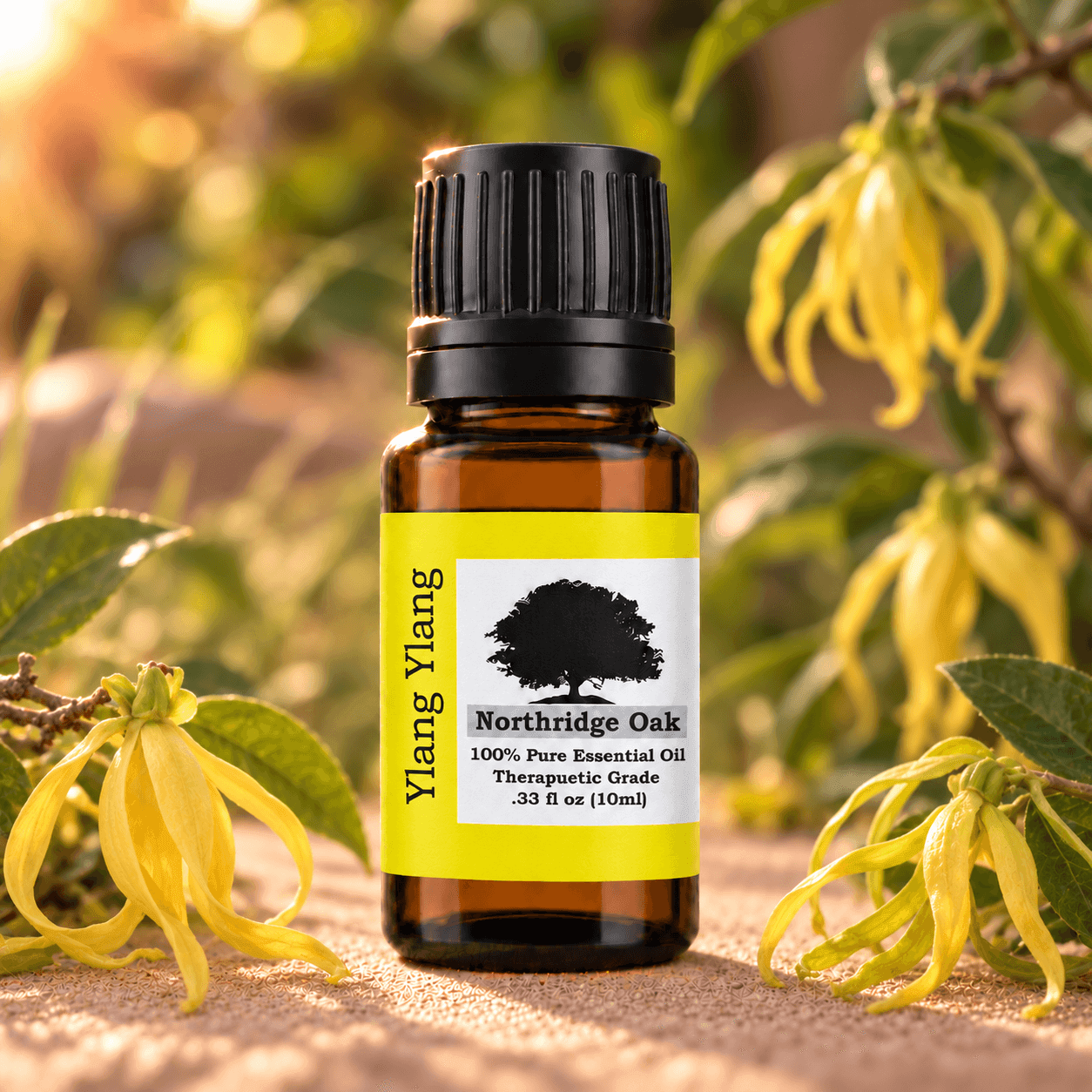
The first impression of Ylang Ylang Essential Oil is unmistakably floral, yet “floral” barely begins to describe it. The aroma is creamy, sweet, tropical and softly spicy, with a rich perfume-like finish that can remind people of jasmine, ripe fruit, custard and warm petals all at once.
The aroma in plain language
Imagine a warm tropical flower at the moment its fragrance is fullest. Add a little honeyed sweetness, a smooth custard-like richness and a delicate green-spicy edge. That is the center of Ylang Ylang. It is less powdery than some florals and more voluptuous than Lavender or Geranium.
The oil’s intensity is part of its charm. One drop on a scent strip can unfold for hours, moving from a bright floral opening into a creamy middle and a warm, lingering finish.
Why people describe it so differently
Aroma language is personal. Someone who loves white flowers may call Ylang Ylang romantic and luxurious. Someone new to concentrated florals may notice sweetness first. Temperature, dose, distance and companion oils also change the experience. A bottle-neck sniff presents the aroma at its strongest; diffusion or proper dilution reveals more air and detail.
Ylang Ylang compared with Lavender
Lavender is herbaceous, softly floral and familiar. Ylang Ylang is richer, sweeter and more tropical. Together they create a balanced floral blend: Lavender brings ease and openness while Ylang Ylang adds depth and a polished perfume quality.
Ylang Ylang compared with Geranium
Geranium has a rosy, leafy-green aroma. Ylang Ylang is creamier and more rounded. Blend them when you want a full garden bouquet with both fresh green lift and lush floral warmth.
Ylang Ylang compared with Jasmine-style aromas
Both belong to the rich white-floral world, but Ylang Ylang often feels fruitier, creamier and gently spicy. Jasmine-style materials can feel more indolic or intensely petal-like. Ylang Ylang offers a beautiful way to build a natural floral heart using a steam-distilled essential oil.
How citrus changes the aroma
Bergamot makes Ylang Ylang elegant and airy. Blood Orange emphasizes its sweetness. Lemon brings clarity, and Grapefruit gives it a fresh modern edge. If you are meeting the oil for the first time, 3 drops citrus to 1 drop Ylang Ylang is an inviting introduction.
How woods and resins change it
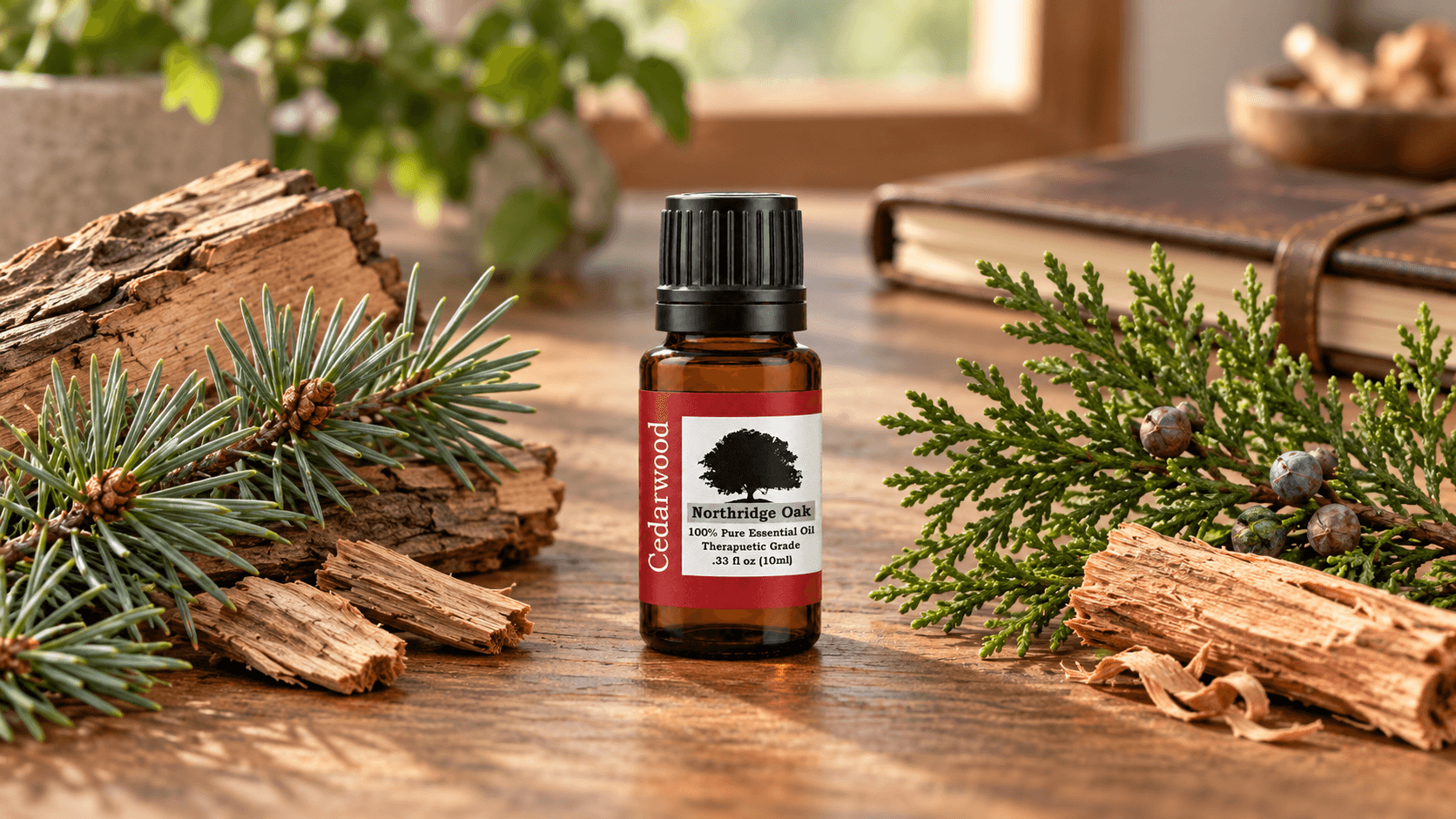
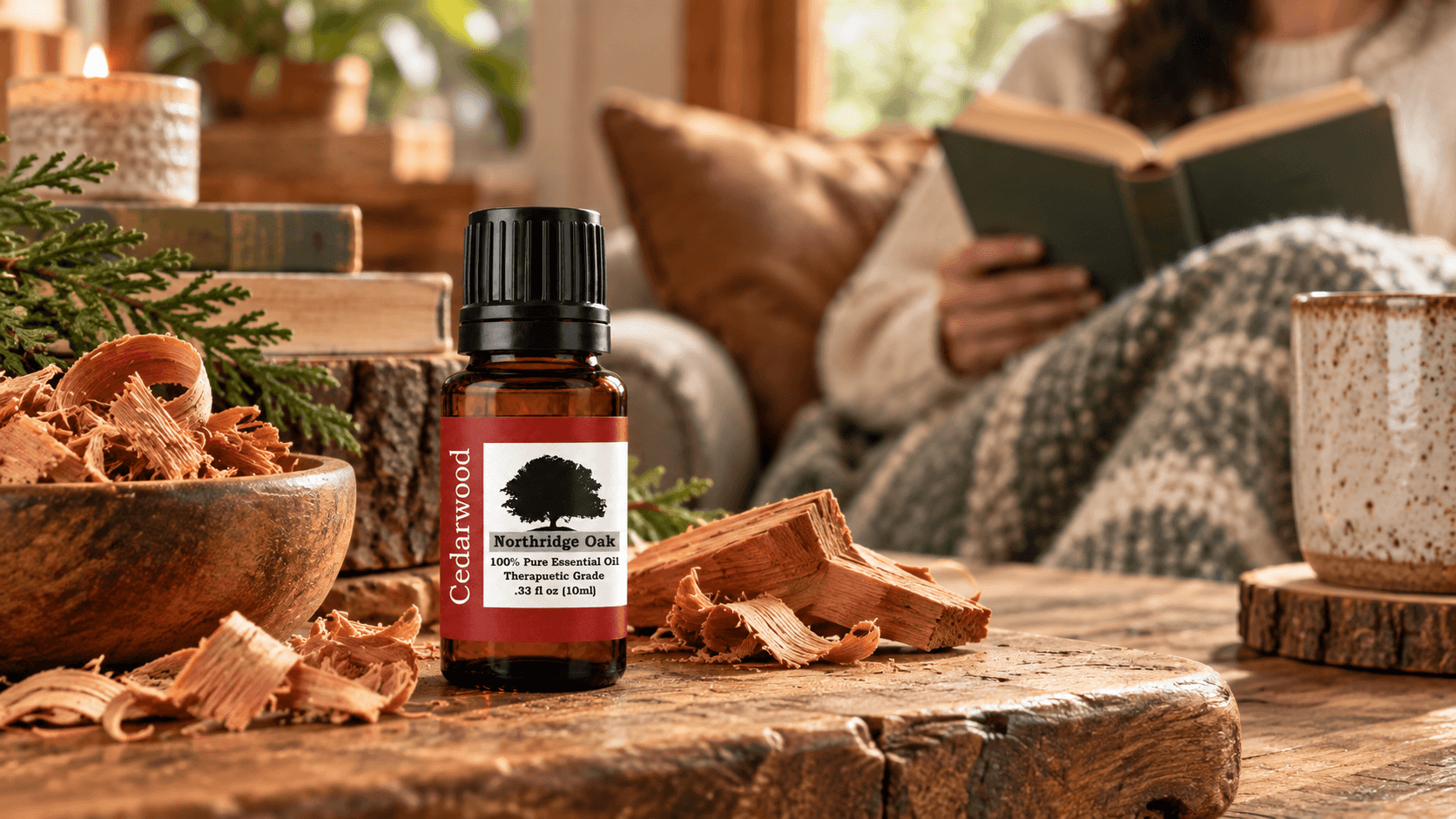
Cedarwood makes the aroma feel calmer and more structured. Frankincense creates a smooth, spacious finish. Patchouli deepens the perfume and gives it staying power. These companions are especially useful in evening diffuser blends, massage oils and natural perfumes.
Experience it three ways
On a scent strip
Place one drop on a perfume blotter, label it and smell from several inches away. Return after ten minutes, one hour and the next day. Notice how the creamy sweetness becomes warmer and more integrated.
In a diffuser
Try 3 drops Bergamot, 2 drops Lavender and 1 drop Ylang Ylang in a 100–200 mL diffuser for 15–20 minutes. Air gives the flower room to bloom.
In a carrier oil
Combine 1 drop Ylang Ylang and 1 drop Lavender with 10 mL jojoba. After patch testing, experience a tiny amount on the wrist and observe how skin warmth changes the aroma.
Who tends to love Ylang Ylang?
It often becomes a favorite for people who enjoy romantic florals, botanical perfumes, richly scented massage oils and fragrances that feel special with only a drop. Citrus lovers may be surprised by how beautifully it brightens when paired with Bergamot or Grapefruit. Wood lovers often appreciate the sophisticated accord it creates with Cedarwood, Frankincense or Patchouli.
How distillation shapes the aroma
Ylang Ylang is famous in perfumery for fractionated distillation. Different portions of a long distillation can emphasize brighter, sweeter or deeper facets. Botanical origin, harvest and production choices help explain why two authentic Ylang Ylang oils can smell related yet distinct.
A GC/MS report identifies major volatile constituents, while your nose translates that composition into a lived sensory impression. Chemistry and aroma evaluation belong together: one documents what is present, and the other shows how the oil behaves in a blend.
Notice how the scent develops
On a scent strip, the first minutes often feel vivid and floral. After an hour, creamy and fruity qualities may become more noticeable. By the next day, a warm floral-woody trace can remain. In a diffuser the aroma feels airier, while skin warmth shapes a natural perfume’s dry-down.
Use practical scent words—creamy or airy, petal-like or fruity, bright or deep, smooth or spicy. Then choose a companion that creates the direction you want. Lemon adds clarity, Lavender adds familiarity, Cedarwood adds dryness and Patchouli adds depth.
One final tip: revisit the oil at different times of day. Morning light can make citrus pairings feel especially vivid, while evening warmth reveals the creamy floral and woody facets. The same bottle can feel surprisingly versatile when the setting changes.
Use Ylang Ylang with confidence
Ylang Ylang is beautifully expressive, so one or two drops often give a blend all the floral character it needs. Dilute before skin use, patch test the finished formula and keep essential oil away from eyes, ears, mucous membranes and sensitive areas. Reserve it for aromatic and appropriately diluted topical use. Pregnancy, breastfeeding, young children, pets and individual health considerations benefit from guidance tailored to the exact household. The complete Ylang Ylang safety guide offers practical dilution and diffusion guidance.
Continue learning about Ylang Ylang essential oil
Make this article part of a complete Ylang Ylang routine:
- Ylang Ylang Essential Oil: Benefits, Uses, Blends & Safety
- Ylang Ylang Essential Oil Diffuser Blends
- What Blends Well With Ylang Ylang Essential Oil?
- What Does Ylang Ylang Essential Oil Smell Like?
- Ylang Ylang Essential Oil for Relaxation, Stress & Mood
- Ylang Ylang Essential Oil for Sleep & Bedtime
- Ylang Ylang Natural Perfume Recipes
- Ylang Ylang Essential Oil for Hair & Scalp
- Ylang Ylang Essential Oil for Skin & Massage
- Ylang Ylang Essential Oil Research & Chemistry
- Ylang Ylang Essential Oil Safety
These statements have not been evaluated by the Food and Drug Administration. Northridge Oak products are not intended to diagnose, treat, cure or prevent disease.