Table of Contents
- Why spearmint tastes and smells familiar
- What laboratory research shows
- Spearmint or peppermint for toothpaste flavor?
- Why commercial formulation matters
- A fresh-bathroom aroma blend
- Spearmint lip-care aroma
- Everyday habits that support a fresh mouth
- How to evaluate spearmint aroma without tasting it
- Select a transparent Spearmint Essential Oil
- A sweet mint with a clear role
- Continue learning about Spearmint Essential Oil
- Research context for formulators
- Frequently Asked Questions
Spearmint is the sweet, familiar mint behind countless toothpastes, gums and fresh-breath products. Compared with peppermint, its flavor impression is rounder and less icy, making it especially appealing when you want unmistakable mint freshness with a gentler aromatic finish.
Spearmint Essential Oil is highly concentrated, so oral-care formulation calls for precision. This article explores the chemistry and laboratory research behind its popularity, helps you compare it with peppermint, and keeps home use aligned with the product’s aromatic and topical directions.
Why spearmint tastes and smells familiar
Spearmint is commonly rich in carvone, the molecule most associated with its characteristic sweet mint aroma. Peppermint is usually richer in menthol and menthone, which create a stronger cooling sensation. That chemistry is why a spearmint-flavored toothpaste can feel minty and polished without the same icy intensity.
Minor constituents add green, citrus-like and herbal facets. In a finished oral-care product, sweeteners, surfactants and other flavor materials shape the final experience, so the essential oil is one carefully measured part of a complete formula.
What laboratory research shows
Research on Mentha spicata essential oil has reported antimicrobial activity against tested microorganisms in vitro. A chemical-composition study also described antioxidant potential. These findings help explain why spearmint attracts interest from food, cosmetic and oral-care researchers.
In vitro research uses controlled laboratory conditions to reveal how an ingredient behaves and to guide the development of future oral-care products and clinical studies. These findings suggest Spearmint may have a promising role in a well-rounded oral-care routine, alongside regular brushing, flossing and professional dental care.
Spearmint or peppermint for toothpaste flavor?
Choose spearmint when you enjoy sweet, green mint and a softer cooling impression. Choose peppermint when you want an assertive menthol note and a stronger burst of coolness. Blending both gives a layered mint profile: peppermint opens brightly while spearmint adds sweetness and length.
The full peppermint and spearmint comparison explores their major constituents, aroma strength and uses beyond oral care.
Why commercial formulation matters
Toothpaste and mouthwash makers work with tiny, controlled flavor levels, solubilizers, preservatives, stability testing and safety assessments. Because essential oil floats on plain water, professionally formulated products use appropriate dispersing ingredients to create a more even, comfortable oral-care experience.
That is why a properly made spearmint toothpaste or breath product is different from improvising with a bottle at the sink. The finished product distributes flavor through a tested base and includes directions for use.
A fresh-bathroom aroma blend
You can still bring spearmint’s oral-care association into the room without putting it in your mouth. Add 3 drops spearmint, 2 drops lemon and 1 drop eucalyptus to a 200 mL diffuser for a short, well-ventilated session while you begin your morning routine.
The blend smells bright and newly polished. Keep the diffuser away from toothbrushes, towels and water splashes, and clean it according to the manufacturer’s directions.
Spearmint lip-care aroma
Lip products require specialist formulation because the lips are sensitive and incidental exposure is possible. For lip care, choose a professionally formulated product designed to deliver Spearmint at a comfortable concentration.
If you make cosmetics professionally, follow cosmetic safety data, weight-based measurements and the supplier’s maximum dermal guidance for the entire formula. Sweet Spearmint creates a beautifully recognizable aroma even at a very low level.
Everyday habits that support a fresh mouth
Brush with fluoride toothpaste as recommended by your dental professional, clean between teeth, hydrate and keep routine dental visits. Spearmint flavor can make those habits more pleasant, which is a practical benefit: people are more likely to repeat a routine they enjoy.
Professional dental care can identify the underlying causes of persistent bad breath, pain, bleeding or sensitivity while Spearmint continues to brighten everyday fresh-breath products. A dentist can identify the source and help restore comfort while you continue enjoying the mint profile you prefer.
How to evaluate spearmint aroma without tasting it
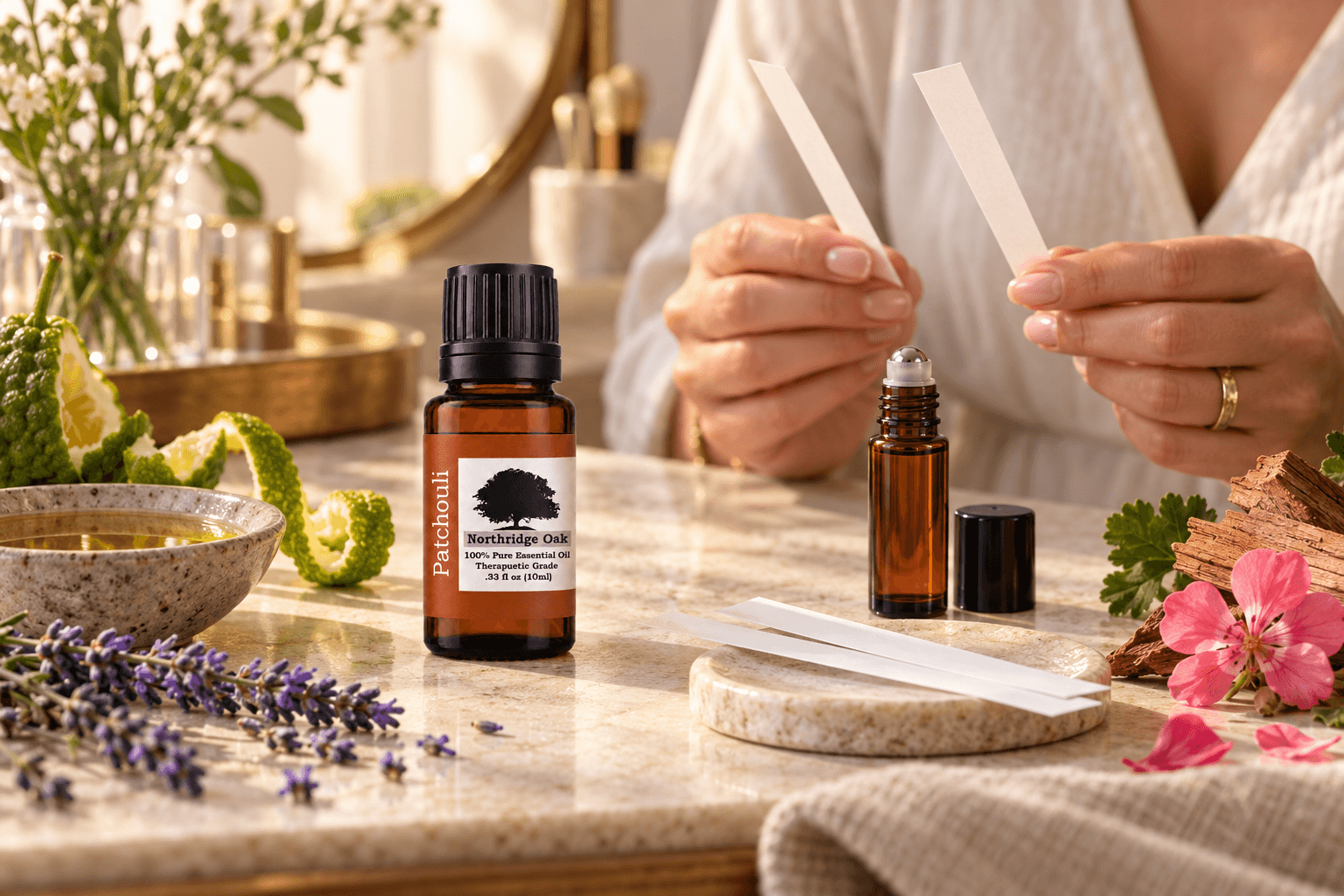
Place one drop on a paper scent strip, label it and smell from several inches away. Compare it with a separate peppermint strip after 5, 15 and 30 minutes. Notice sweetness, cooling impression, herbal character and how long each aroma lasts.
This simple exercise answers the flavor-profile question with your own senses while keeping the essential oils out of the mouth. It is also excellent practice for creating diffuser and soap blends.
Select a transparent Spearmint Essential Oil
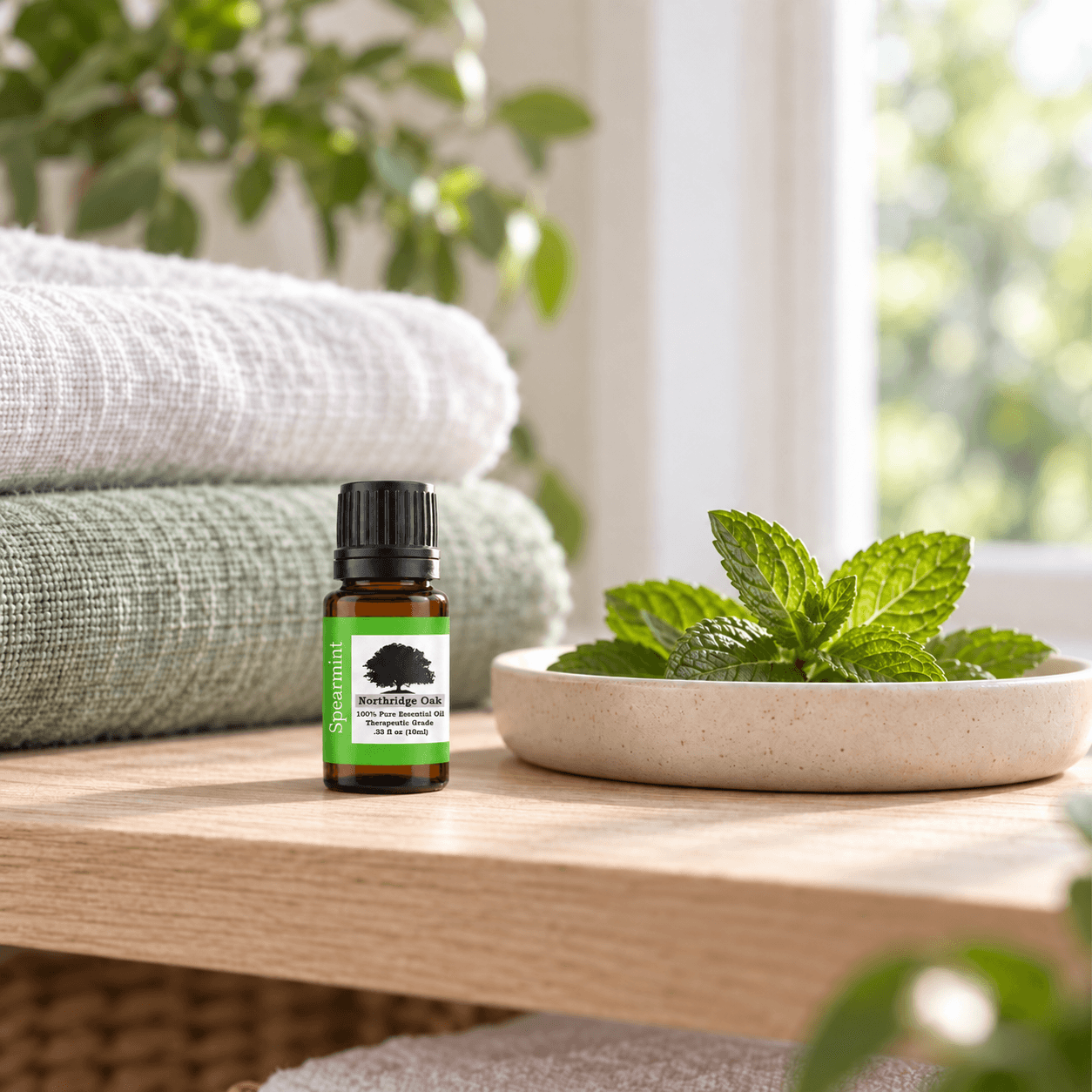
Look for Mentha spicata, a stated extraction method, country of origin and independent testing. Northridge Oak’s 100% Pure Spearmint Essential Oil is steam-distilled, undiluted and third-party GC/MS tested.
Use it for the aromatic and properly diluted topical recipes described on the label. For products designed to go in the mouth, choose a professionally formulated oral-care product with clear directions.
A sweet mint with a clear role
Spearmint’s enduring place in oral care makes sense: it smells clean, tastes familiar in finished flavor systems and offers a softer alternative to peppermint’s intense chill. Laboratory findings make the plant scientifically interesting, while thoughtful formulation turns that chemistry into a pleasant product people want to use every day.
Continue learning about Spearmint Essential Oil
Make this article part of a complete spearmint routine:
- Spearmint Oil Benefits and Uses: Research, Recipes and Safety
- What Does Spearmint Oil Smell Like? Aroma, Carvone and Pairings
- What Blends Well With Spearmint Oil?
- Spearmint Oil Diffuser Blends: 20 Fresh, Sweet Recipes
- Spearmint Oil for Skin and Acne: What Research Shows
- Spearmint Oil for Facial Hair and PCOS: What Studies Actually Tested
- Spearmint Oil for Hair and Scalp: Benefits, Research and Recipes
- Spearmint Oil for Nausea and Digestive Aromatherapy
- Spearmint Oil for Cleaning and Fresh Home Aromas
- Spearmint Oil Safety: Dilution, Children, Dogs and Cats
- Peppermint vs. Spearmint Essential Oil: What’s Different?
Research context for formulators
A review of Mentha spicata chemistry and pharmacology summarizes antimicrobial and antioxidant research surrounding the plant. It provides a useful map of the field, while product-specific oral-care claims still require testing of the complete toothpaste, rinse or flavor system under its intended conditions.
These statements have not been evaluated by the Food and Drug Administration. Northridge Oak products are not intended to diagnose, treat, cure or prevent disease.