Table of Contents
- What Is Patchouli Essential Oil?
- How Patchouli Smells
- Patchouli Essential Oil Benefits for Everyday Aromatic Use
- What Research Says About Patchouli
- Seven Enjoyable Ways to Use Patchouli Essential Oil
- Patchouli Blending Families
- Patchouli Essential Oil Safety
- What to Look for When Choosing Patchouli
- What We’re Learning About Patchouli
- Bring Patchouli Into Your Routine
Patchouli essential oil benefits and uses begin with something wonderfully simple: its aroma changes the feeling of a room. Deep, earthy, softly sweet and beautifully persistent, Patchouli can make an ordinary evening feel slower, warmer and more intentional. It is also one of the most versatile base notes in natural perfumery, an inviting companion for meditation and massage, and an intriguing ingredient in skin and hair rituals.
If Patchouli makes you picture only one decade or one style, it may be time to meet it again. A thoughtfully blended drop can smell polished, woodsy, floral, citrus-bright or quietly luxurious. This complete guide explores what Patchouli is, how it smells, the most enjoyable ways to use it, what current research can genuinely tell us, and how to use it confidently at home.
What Is Patchouli Essential Oil?
Patchouli essential oil is distilled from the leaves of Pogostemon cablin, a leafy tropical plant in the mint family. Northridge Oak’s 100% Pure Patchouli Essential Oil comes from Indonesia, a region closely associated with high-quality Patchouli cultivation. The leaves are allowed to mature before distillation, helping create the rich, rounded aroma people value in perfumery and home fragrance.
Unlike airy top notes that appear quickly and fade, Patchouli is a base note. It unfolds slowly and helps lighter aromas remain noticeable longer. That staying power is why a small amount can give a blend depth and a finished, composed quality. You can explore the aroma in detail in What Does Patchouli Smell Like?.
How Patchouli Smells
Good Patchouli is earthy, woody and gently sweet, with green, balsamic and sometimes cocoa-like nuances. The scent is strong straight from the bottle, but diffusion and dilution give it room to bloom. One drop beneath Orange can feel sunny and grounded; beside Lavender it becomes soft and restful; with Cedarwood it evokes polished wood and a peaceful cabin.
Patchouli also develops beautifully as it ages. Its sharper green edges tend to soften while the sweet, woody body becomes rounder. This is one essential oil you do not need to rush through. Store it tightly closed, away from heat and direct light, and enjoy the way its personality becomes more mellow over time.
Patchouli Essential Oil Benefits for Everyday Aromatic Use
A grounded atmosphere
Patchouli’s deep base note can anchor a busy-feeling blend and help a room feel settled. Aroma is personal, but many people choose Patchouli when they want to create a peaceful transition between the active part of the day and their evening routine. Try it while journaling, stretching, reading or tidying the room before bed.
A natural partner for relaxation rituals
A small randomized controlled trial offers an encouraging reason to explore Patchouli aromatically. Fifty emergency nurses inhaled either a 5% Patchouli preparation or the carrier alone on two occasions. The Patchouli group reported significantly lower stress and greater compassion satisfaction. The study was short and involved a specific workplace group, so it is not a promise that Patchouli treats stress. It does show a positive human response worth appreciating: a brief Patchouli aroma ritual fit into a demanding real-world setting and was associated with better self-reported outcomes. Read the study abstract on PubMed, then see practical ideas in our guide to Patchouli for Stress, Relaxation and Sleep.
Depth and staying power in blends
Patchouli can make a blend feel complete. It supports bright citrus oils, rounds spicy aromas and provides contrast for delicate florals. Because it is powerful, begin with one drop and let the blend rest for a few minutes before deciding whether to add more. Our Patchouli blending guide explains the easiest pairings and proportions.
A distinctive personal aroma
In a properly diluted roll-on or perfume oil, Patchouli acts as both an aroma and a fixative. It helps connect top, middle and base notes so the fragrance changes gracefully on the skin. The result can feel elegant rather than heavy. Start with our Patchouli natural perfume guide for wearable formulas.
What Research Says About Patchouli
Research on Patchouli spans human aroma studies, laboratory work, animal models and formulated topical products. Those categories matter. A positive result in a mouse study can inspire future research, but it does not automatically predict the same result for a person using a homemade body oil. The most useful approach is to celebrate what each study found while keeping the conclusion matched to the design.
For skin, a 2014 mouse study found that topical Patchouli oil before UV exposure was associated with less wrinkle formation, better elasticity and higher collagen content than UV exposure alone. That is a genuinely interesting preclinical result and one reason Patchouli continues to attract cosmetic research. It is not evidence that an essential-oil recipe replaces sunscreen or professional skin care. You can read the study on PubMed and learn how to build a pleasant, well-diluted routine in Patchouli Essential Oil for Skin.
Researchers have also studied Patchouli in insect-repellent formulations. The most practical lesson is that formulation changes performance: a tested cream is not the same as undiluted oil or a casual homemade spray. Our article Does Patchouli Oil Repel Mosquitoes and Bugs? explains what the findings do—and do not—mean for everyday use.
Seven Enjoyable Ways to Use Patchouli Essential Oil
1. Diffuse it with a bright top note
Add one drop Patchouli, three drops Sweet Orange and two drops Lavender to your diffuser, adjusting the total to the manufacturer’s directions. The Orange brings sparkle, Lavender makes the center feel soft, and Patchouli gives the blend a warm finish. For more variety, visit 20 Patchouli Essential Oil Diffuser Blends.
2. Create a quiet evening cue
Choose one calm activity and pair it with the same Patchouli blend for several evenings. Consistency can help the aroma become a familiar signal that the day is winding down. Keep the diffuser intermittent and the room ventilated, especially in shared spaces.
3. Make a personal perfume oil
For a 10 mL roller, use one drop Patchouli, two drops Lavender and one drop Sweet Orange, then fill with jojoba oil. This restrained concentration lets Patchouli stay close to the skin. Patch test before broader use and enjoy how the aroma develops over several hours.
4. Add warmth to a massage blend
Patchouli feels especially at home in slow, comforting body-care rituals. Combine it with Lavender or Frankincense in a suitable carrier oil and keep the dilution gentle. Our Patchouli massage and body-oil guide includes simple proportions and aroma variations.
5. Explore a facial or body-care ritual
Patchouli’s aroma pairs naturally with unscented creams and oils, but more is not better. Facial use calls for particularly conservative dilution and a patch test. Let the goal be a pleasant sensory routine rather than an oversized promise.
6. Build a hair or scalp oil
A tiny, well-diluted amount can give a pre-shampoo scalp oil a woodsy spa aroma. Because hair and scalps vary, begin simply and rinse thoroughly. See Patchouli Essential Oil for Hair and Scalp for a measured approach.
7. Create a seasonal atmosphere
Patchouli is a natural fit for autumn. Pair it with Cedarwood and Orange for a forest-and-citrus mood, or add a single drop beneath Cinnamon Leaf for a dramatic October blend. Our fall and Halloween Patchouli blends keep the recipes cozy, balanced and easy to enjoy.
Patchouli Blending Families
Citrus oils make Patchouli feel lighter. Florals soften it. Woods emphasize its grounded character, while resins add a meditative richness. Spice oils can create warmth, but they deserve a light hand. If you are new to blending, begin with three oils: one bright note, one heart note and Patchouli as the base. That simple structure is forgiving and teaches your nose what each layer contributes.
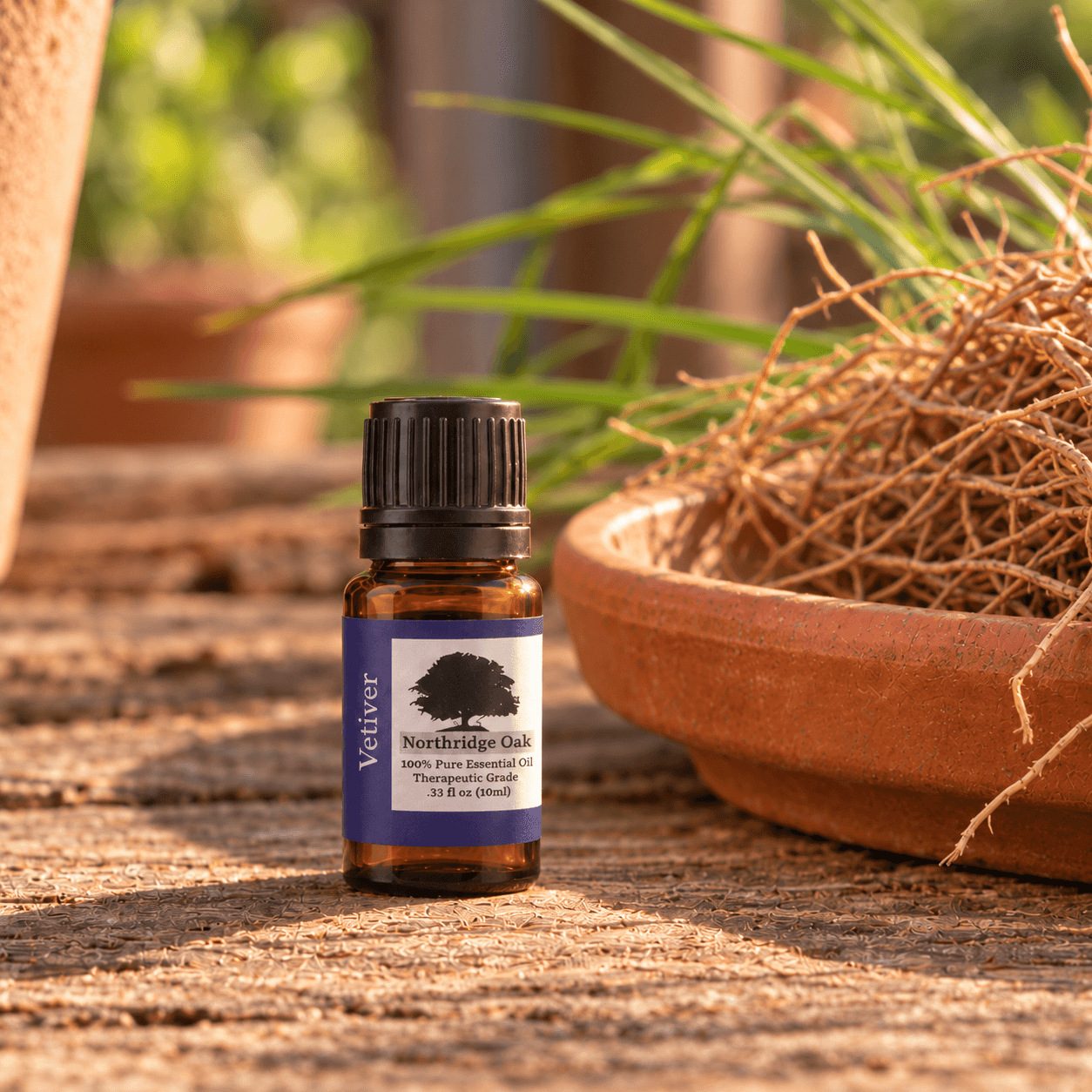
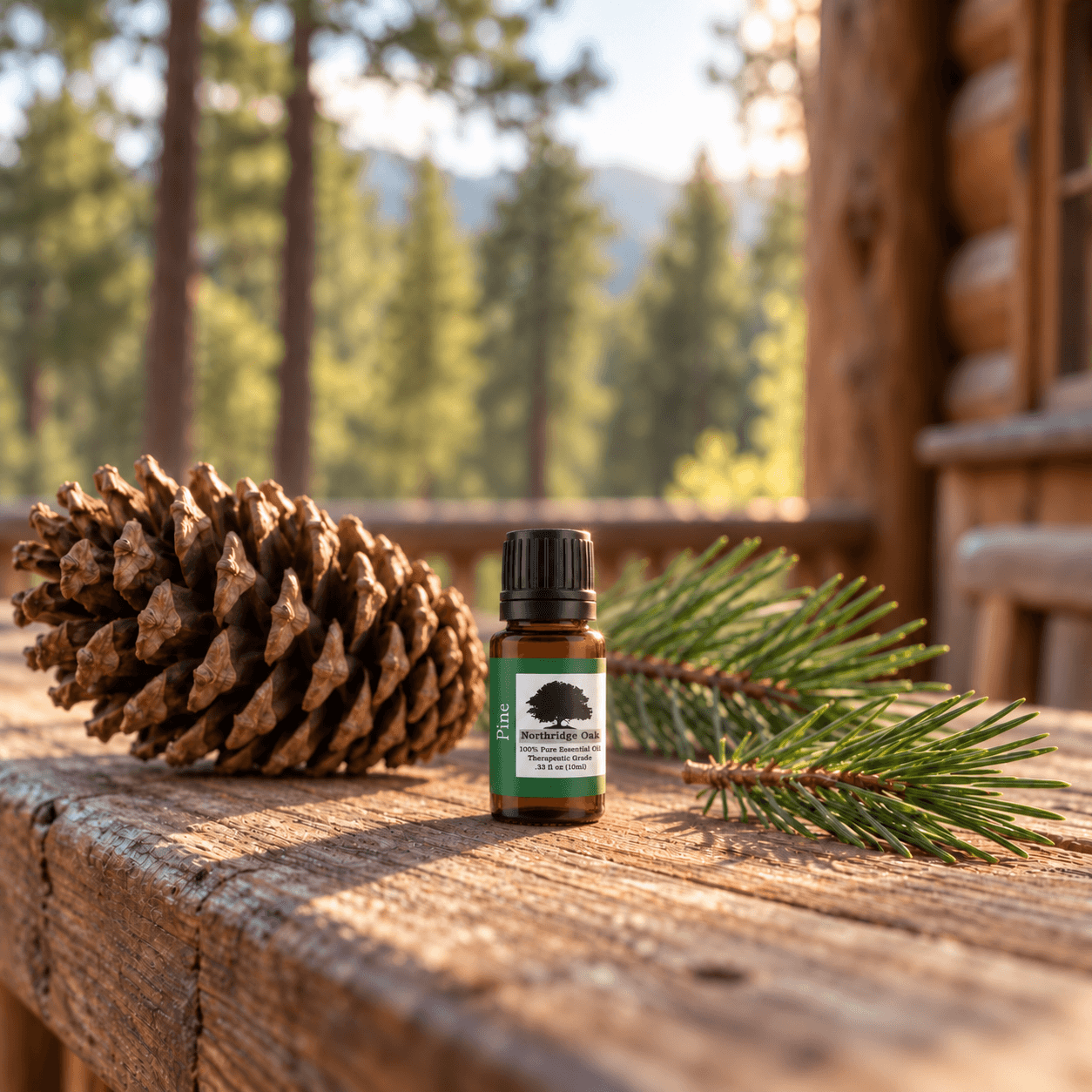
Especially friendly partners include Sweet Orange, Bergamot, Grapefruit, Lavender, Geranium, Ylang Ylang, Cedarwood, Pine, Frankincense and Vetiver. Patchouli is strong enough that one drop often supports four to six combined drops of lighter oils. Smell the blend on a blotter or in the diffuser before increasing it.
Patchouli Essential Oil Safety
For skin use, always dilute Patchouli in a carrier oil or properly formulated unscented base. Patch test a small area and discontinue use if irritation occurs. Avoid the eyes, inner ears and other sensitive areas. Keep essential oils out of reach of children, and ask a qualified health professional for individualized guidance during pregnancy, while nursing, with medical conditions or when using medications.
Pets process aromatic compounds differently from people. Diffuse only in a ventilated area, use modest amounts, make sure animals can leave the room, and never apply essential oil to a pet unless a veterinarian with essential-oil expertise directs you. For a complete Patchouli-specific overview, read Patchouli Essential Oil Safety. Our broader Complete Essential Oil Safety Guide covers dilution, storage and household habits across your collection.
What to Look for When Choosing Patchouli
Look for the botanical name Pogostemon cablin, the country of origin, a clear statement that the oil is undiluted, and access to independent quality testing. Northridge Oak is a family-owned business in Pea Ridge, Arkansas. We bottle our oils in small batches and use third-party GC/MS testing to help confirm identity and purity. Our Patchouli contains no fillers or added fragrance—just the richly aromatic essential oil.
What We’re Learning About Patchouli
Patchouli rewards a slower kind of curiosity. Research gives us promising starting points, especially around aromatic stress rituals, cosmetic investigation and repellent formulation. Home use adds another kind of knowledge: how one drop can steady a citrus blend, make a floral feel more sophisticated or turn an evening routine into something you look forward to.
The clearest next step is also the most enjoyable one. Choose a simple use that matches your goal, begin with a small amount and notice the aroma rather than chasing a dramatic effect. Patchouli’s gift is depth. Give it space, and it may become one of the most versatile bottles in your collection.
Bring Patchouli Into Your Routine
Whether you are drawn to cozy diffuser blends, natural perfume or an earthy body oil, Patchouli offers a beautiful way to make everyday rituals feel more grounded. Start with one recipe, keep your dilution thoughtful and let the oil reveal its softer side. When you are ready, explore Northridge Oak’s 100% Pure Patchouli Essential Oil and choose the use that sounds most like you.
These statements have not been evaluated by the Food and Drug Administration. Northridge Oak products are not intended to diagnose, treat, cure or prevent disease.