Table of Contents
- How to Read Ginger Research
- What Studies Suggest About Ginger Essential-Oil Inhalation
- How Aromatherapy May Fit a Comfort Routine
- Ginger Root Essential Oil for Low-Exposure Aromatic Use
- Simple Ginger Aroma Blends
- Can You Put Ginger Essential Oil on Your Stomach?
- Why Aromatic Use Is the Focus Here
- Combining Aromatherapy with Appropriate Care
- Digestive Comfort Beyond Aromatherapy
- How to Evaluate a Research Claim
- Continue Learning
- Frequently Asked Questions
Ginger Essential Oil for nausea and digestive comfort has attracted interest because ginger’s familiar aroma and long history of use make it a natural subject for aromatherapy research. A randomized clinical study of inhaled Ginger Essential Oil offers an encouraging starting point, while the wider ginger literature helps readers understand how preparation and method of use shape the results.
This guide explains exactly what researchers tested, what they measured and how to translate the findings into simple language. It also offers low-exposure aroma methods and practical guidance for using Ginger Root Essential Oil with confidence.
How to Read Ginger Research
“Ginger” can mean fresh rhizome, dried powder, tea, standardized extract, capsule, syrup or essential oil. Each preparation has its own chemistry and method of use, so the clearest articles name the exact product researchers tested.
The National Center for Complementary and Integrative Health summarizes research on ginger products, including oral forms, while also noting that evidence varies by condition and formulation. When reading a headline, ask three questions: What exact product was used? How was it administered? What outcome was measured?
What Studies Suggest About Ginger Essential-Oil Inhalation
In the 2017 study Effectiveness of Ginger Essential Oil on Postoperative Nausea and Vomiting in Abdominal Surgery Patients, 30 patients inhaled Ginger Essential Oil and 30 inhaled normal saline. Researchers measured nausea, vomiting and retching before the aroma session and again after 6, 12 and 24 hours.
The Ginger Essential Oil group reported significantly lower nausea and vomiting scores than the saline group. The clearest improvement appeared during the first six hours. In everyday language, the people who inhaled Ginger Essential Oil felt noticeably better than the comparison group during early recovery.
This gives Ginger Essential Oil meaningful human research behind its use as an inhaled aroma for digestive comfort. The study involved adults recovering from abdominal surgery under professional care, providing a well-defined example of how Ginger aroma has been tested.
Read the study abstract at PubMed and the broader overview from the National Center for Complementary and Integrative Health.
How Aromatherapy May Fit a Comfort Routine
Aroma can be part of a quiet environment: fresh air, reduced odor, slow breathing and a familiar scent. Some people enjoy ginger’s warm, dry character; others find spice aromas unpleasant when queasy. Personal response matters, and stopping is always appropriate if the scent worsens symptoms.
For everyday use, a scent strip or personal inhaler offers a simple way to experience Ginger’s warm, familiar aroma while following any care plan already recommended by a healthcare professional.
Ginger Root Essential Oil for Low-Exposure Aromatic Use
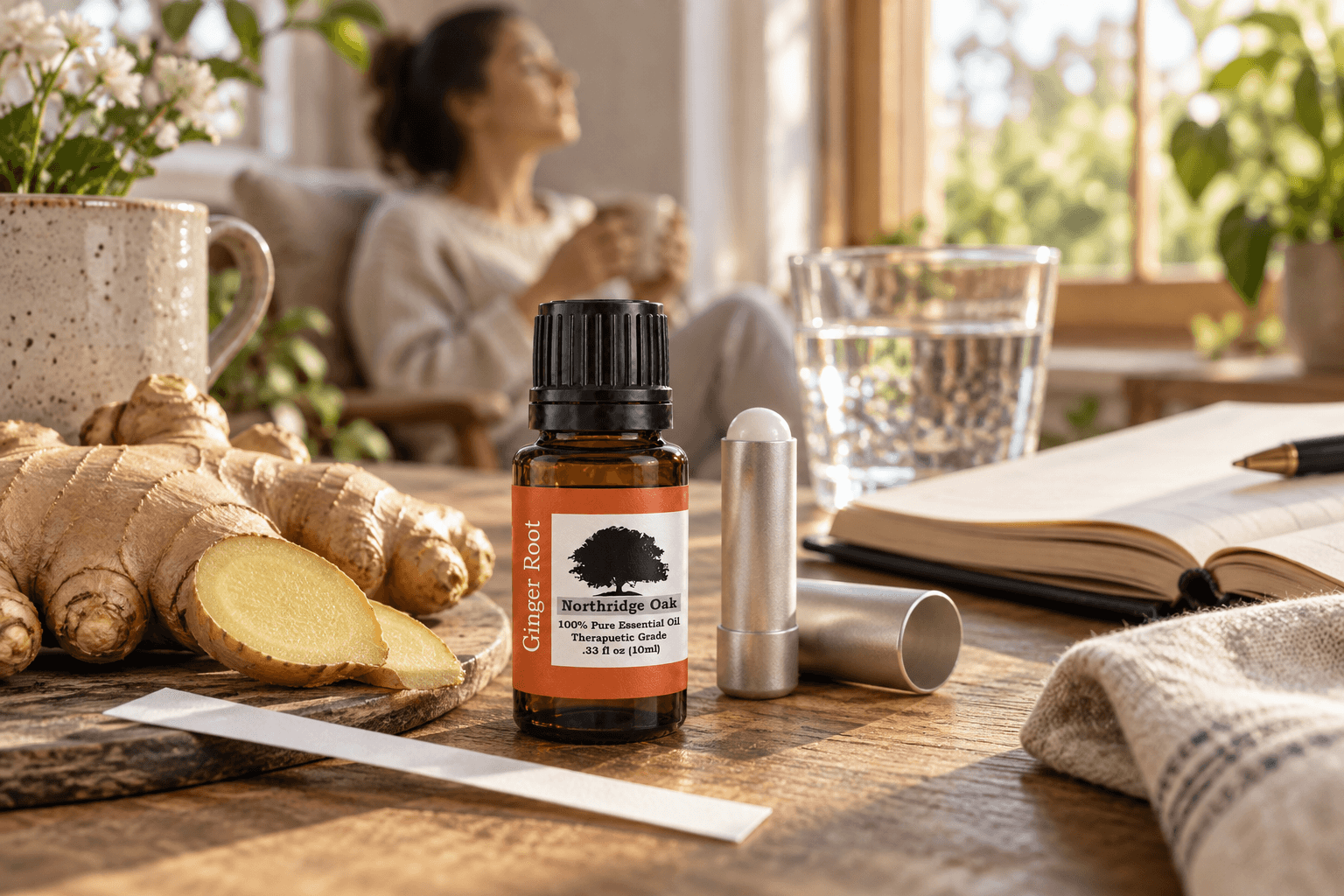
Northridge Oak’s 100% Pure Ginger Root Essential Oil is undiluted, GC/MS tested and botanically identified as Zingiber officinale. For comfort-focused aroma, begin with the smallest practical exposure. More drops can become overwhelming, especially when nausea heightens scent sensitivity.
Personal Inhalation from a Scent Strip
Place one drop on a paper scent strip or cotton pad, set it several inches away and take one or two normal breaths. Do not press the material against the nose or skin. Put it aside between trials. This approach lets you stop immediately and avoids scenting an entire room.
Personal Aromatherapy Inhaler
Follow the inhaler manufacturer’s instructions and use fewer drops than a strongly scented general-purpose formula. Keep it for one person, label it and cap it between uses. Do not insert the wick or liquid into the nostril.
Gentle Room Diffusion
If a diffuser is preferred, use one drop of Ginger Root Essential Oil with two or three drops of a softer companion such as Blood Orange or Lemon in a ventilated room. Run briefly and stop if anyone feels worse. Never trap a person or pet in a scented space.
Simple Ginger Aroma Blends
Soft Ginger Citrus
- 1 drop Ginger Root Essential Oil
- 2 drops Blood Orange Essential Oil
This simple ratio reduces the likelihood that ginger will dominate. For more room recipes, see our ginger diffuser blends.
Fresh Ginger Lemon
- 1 drop Ginger Root Essential Oil
- 2 drops Lemon Essential Oil
Use in a diffuser only as permitted by the device. If the sharp citrus aroma feels unpleasant during nausea, stop rather than trying to “push through.”
Grounded Ginger
- 1 drop Ginger Root Essential Oil
- 1 drop Cedarwood Essential Oil
- 1 drop Blood Orange Essential Oil
Cedarwood makes the blend less bright. Keep the total low and reassess after a few minutes.
Can You Put Ginger Essential Oil on Your Stomach?
A comfort-focused body oil offers another way to enjoy Ginger’s aroma. Dilute conservatively—about six total drops per one ounce of carrier oil for a 1% adult blend—and patch test the finished formula first.
Topical use adds skin-sensitivity considerations without guaranteeing digestive benefit. A scent strip may be the simpler first option. Review ginger oil for skin and the complete essential oil safety guide before applying any blend.
Why Aromatic Use Is the Focus Here
This article focuses on inhaled aroma and properly diluted topical use. Ginger Essential Oil is highly concentrated and is different from ginger food, tea, syrup or supplements.
If you want dietary ginger, choose a food product and discuss suitability with a clinician or pharmacist when you are pregnant, taking medication or managing a condition. Do not convert an aromatherapy recipe into an oral one.
Combining Aromatherapy with Appropriate Care
Seek prompt care for severe abdominal pain, chest pain, confusion, fainting, a stiff neck, blood or coffee-ground material in vomit, green vomit, dehydration, inability to keep fluids down, suspected poisoning, head injury or symptoms in a very young child. Pregnancy-related vomiting, recurring nausea, unexplained weight loss and symptoms lasting more than a short period also deserve professional evaluation.
For suspected poisoning, contact emergency services or the appropriate poison-control resource. Do not induce vomiting or administer essential oil unless a qualified professional specifically directs it.
Digestive Comfort Beyond Aromatherapy
Follow condition-specific medical guidance. Depending on the cause, small sips of fluid, bland foods when tolerated, rest and avoiding strong odors may be reasonable, but individual needs vary. Aromatherapy should not delay rehydration or prescribed medication.
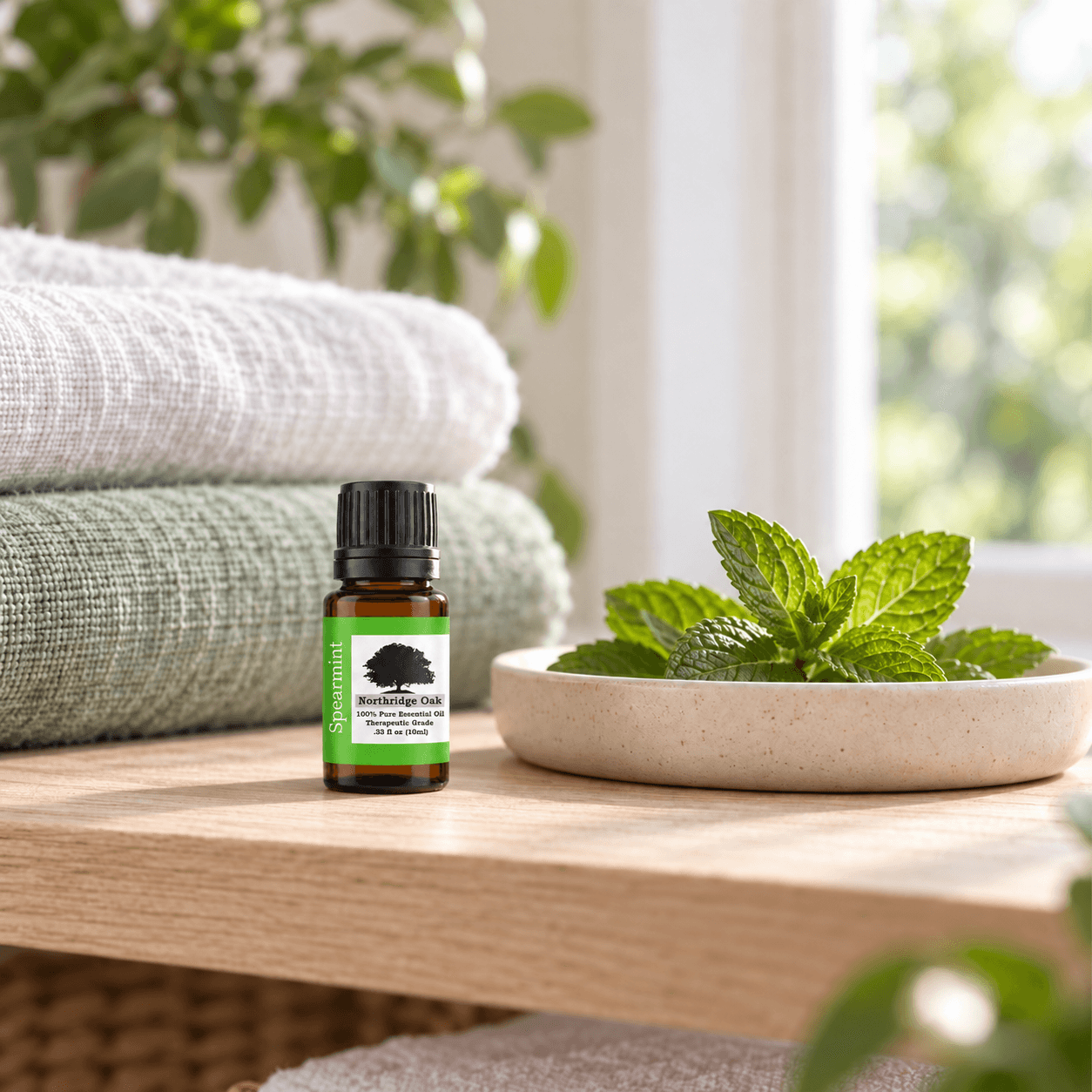
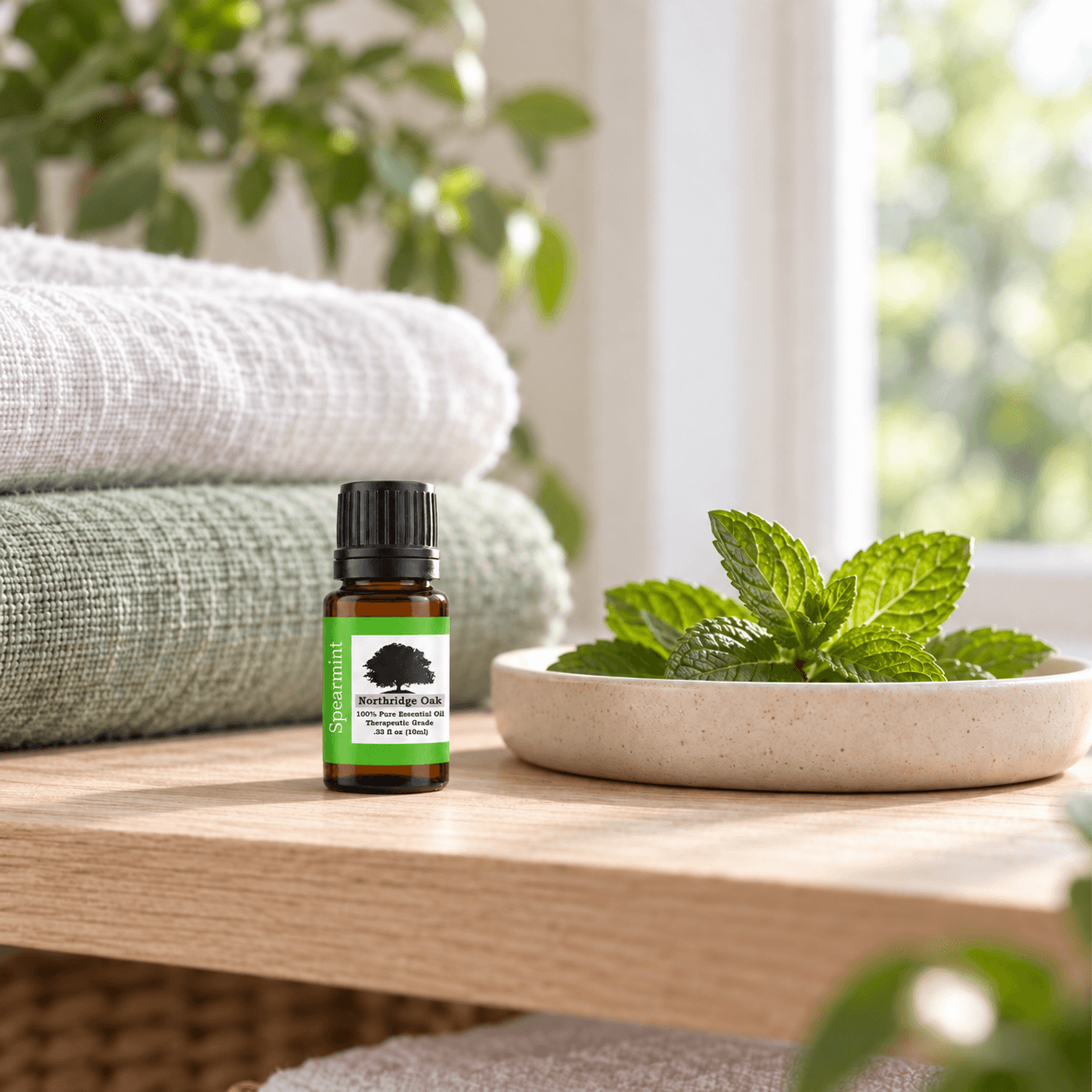
For related aroma-focused reading, see our Spearmint oil, nausea and digestive aromatherapy guide and Digest essential-oil blend article. Apply the same preparation-specific caution to every botanical claim.
How to Evaluate a Research Claim
Look for the full citation, participant group, comparison, route, dose and measured outcome. Those details show exactly what the researchers learned and help readers understand where the finding is most useful.
Clear research writing tells readers whether a study measured comfort, symptom scores or treatment outcomes. That precision makes the encouraging result easier to understand and trust.
Continue Learning
For the broader topic, read Ginger Root Essential Oil benefits and everyday uses. Learn the product distinction in ginger oil vs. ginger essential oil, then build gentler aromatic combinations with what blends well with Ginger Essential Oil.
These statements have not been evaluated by the Food and Drug Administration. This product and the information in this article are not intended to diagnose, treat, cure or prevent any disease. Essential oils are highly concentrated. Dilute before topical use, patch test first, and keep out of reach of children and pets. Consult a qualified healthcare professional before use during pregnancy or nursing, with young children, while taking medication or when managing a medical condition.