Table of Contents
- The First Impression: Resin, Earth and Wood
- Why Myrrh Smells Strong From the Bottle
- Myrrh vs. Frankincense
- How Myrrh Changes With Citrus
- How Myrrh Changes With Florals
- How Myrrh Changes With Woods and Earth Notes
- How Myrrh Behaves in a Diffuser
- How Myrrh Behaves on the Skin
- Build Your Own Myrrh Scent Vocabulary
- How to Find Your Favorite Side of Myrrh
- Continue Exploring Myrrh Essential Oil
- Give Myrrh More Than One Quick Smell
- Frequently Asked Questions
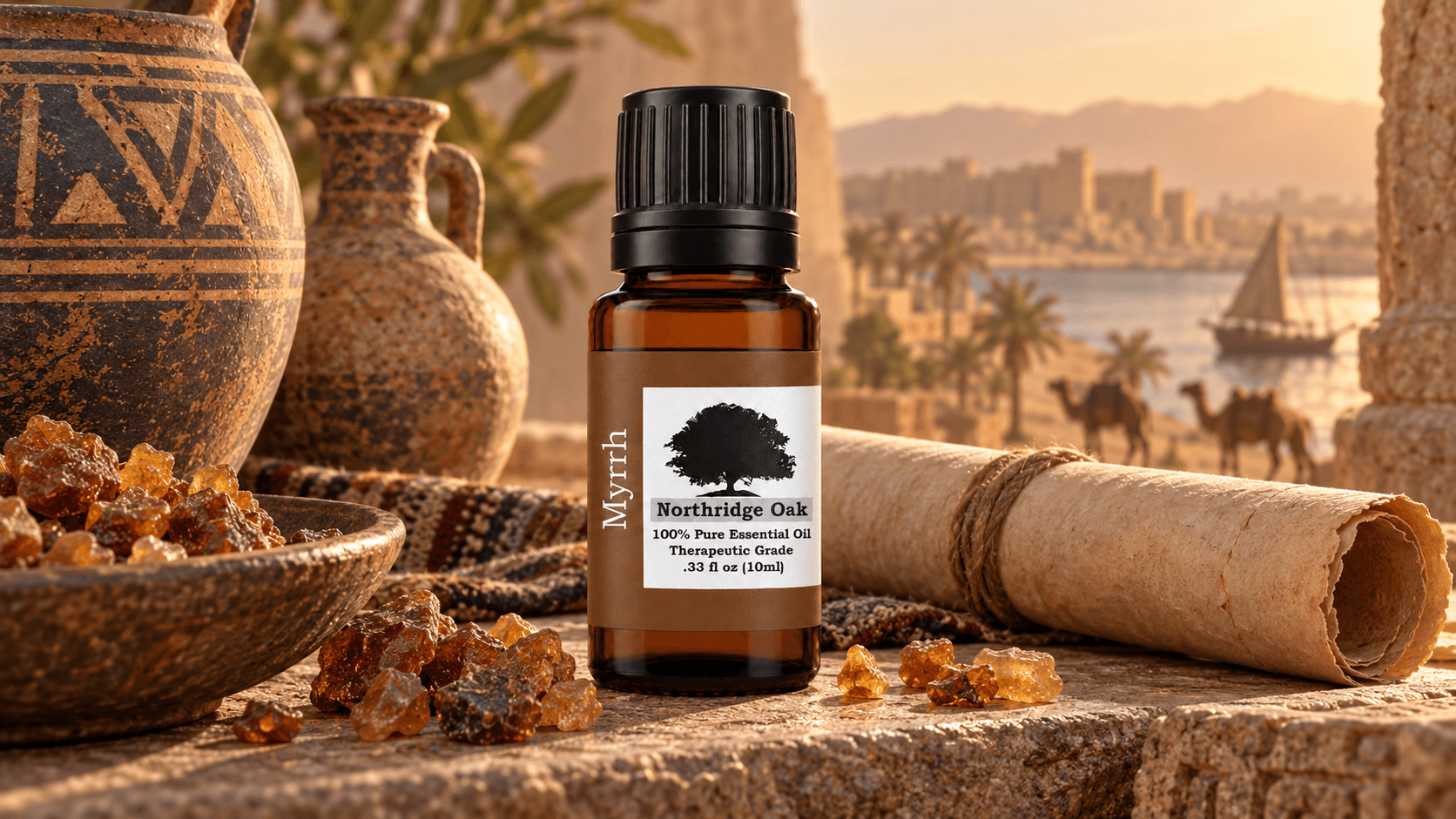
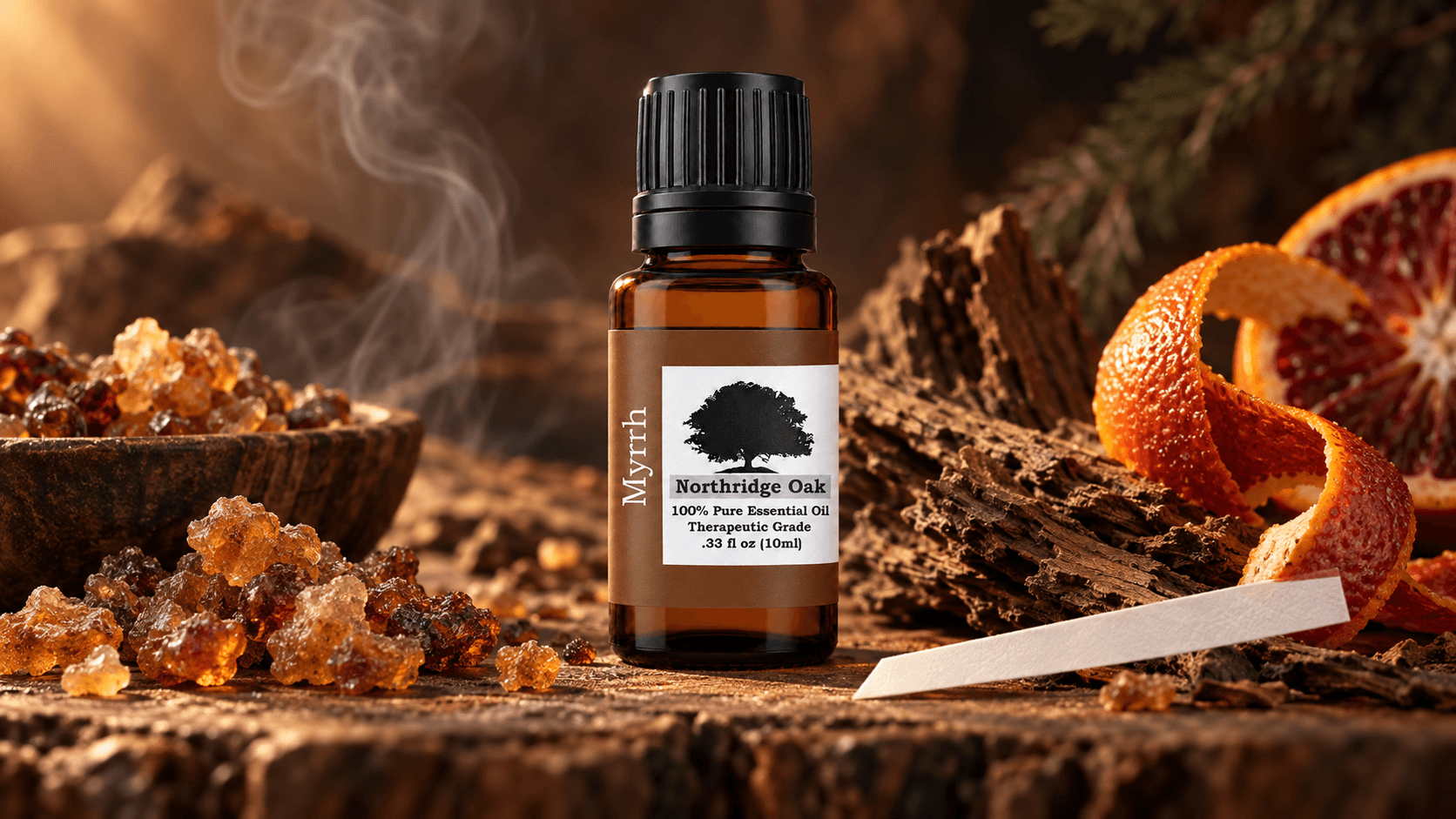
Myrrh smells like warm resin resting on polished wood, with dry earth, amber and the faintest trace of smoke beneath it. It is deep without being flat, earthy without feeling muddy and far more graceful once it has room to open.
If you have wondered what Myrrh smells like, the bottle gives you only the first chapter. On a paper strip, in a diffuser or diluted into perfume, the concentrated aroma softens and begins to reveal balsamic warmth, bittersweet depth and a quiet elegance that can be difficult to notice in one quick smell.
The First Impression: Resin, Earth and Wood
Myrrh usually announces itself with resin. That word describes a warm, balsamic quality—something between amber, tree sap and polished wood. Beneath it is dry earth, a woody backbone and a soft smoky suggestion that makes the aroma feel atmospheric.
There is also a bittersweet contrast. Myrrh is not sugary, yet it has a warm roundness that becomes clearer beside citrus. That contrast keeps the oil interesting and gives it the complexity natural perfumers value.
Why Myrrh Smells Strong From the Bottle
Essential oil in the bottle is concentrated, and Myrrh is a persistent base note. Smelling from the opening compresses the entire fragrance into one intense moment. It is a little like judging a perfume by smelling only the closed bottle.
Place one drop on a paper strip, hold it several inches away and return after five, twenty and sixty minutes. The sharper edges soften. Wood and amber become clearer. What first seemed dark may begin to feel warm, smooth and surprisingly refined.
Myrrh vs. Frankincense
Frankincense is generally the brighter of the two resins. It often carries gentle citrus, pine and open woody notes. Myrrh is deeper, warmer and more balsamic.
Together they create balance. Frankincense lifts Myrrh and gives it space; Myrrh gives Frankincense a lasting foundation. Try two drops Frankincense with one drop Myrrh on separate scent strips and notice how complete they feel when held together.
The full Myrrh vs. Frankincense comparison explores how that difference affects diffusion, skincare and natural perfume.
How Myrrh Changes With Citrus
Blood Orange makes Myrrh feel golden and friendly. Bergamot gives it a more elegant citrus-floral opening. Lemon creates brightness and clarity, while Grapefruit feels dry and sparkling.
Try three drops Blood Orange, two drops Frankincense and one drop Myrrh in the diffuser. The orange reaches you first, but Myrrh is what gives the room warmth after the brightest note settles.
How Myrrh Changes With Florals
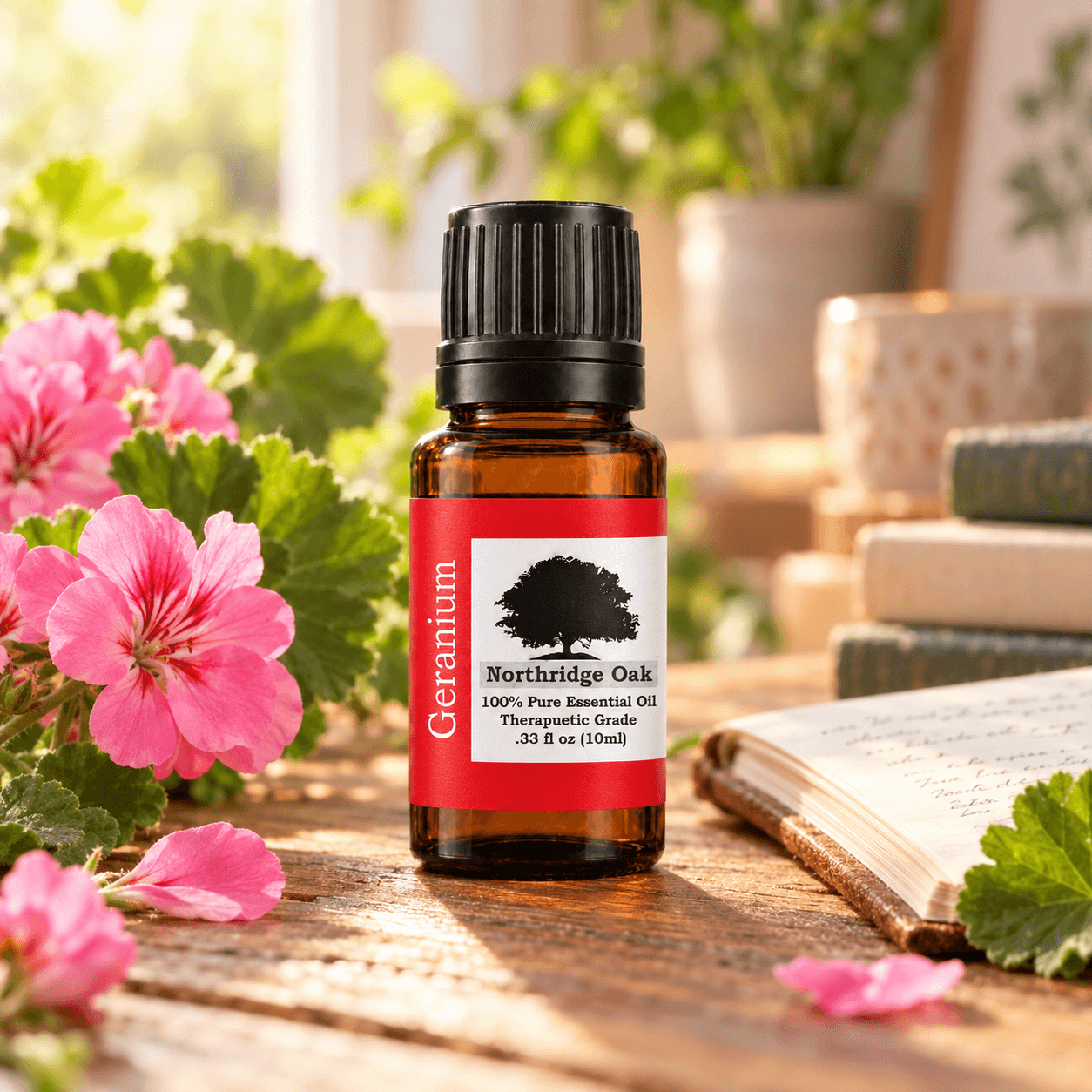
Lavender makes Myrrh soft and comforting. Geranium adds a rich, green floral character that feels sophisticated. Clary Sage gives it a relaxed herbal-floral quality, while one drop of Ylang Ylang turns the resin in a more lush and luxurious direction.
These pairings are especially beautiful in rollers and natural perfume because the warmth of the skin helps the resin and florals integrate slowly.
How Myrrh Changes With Woods and Earth Notes
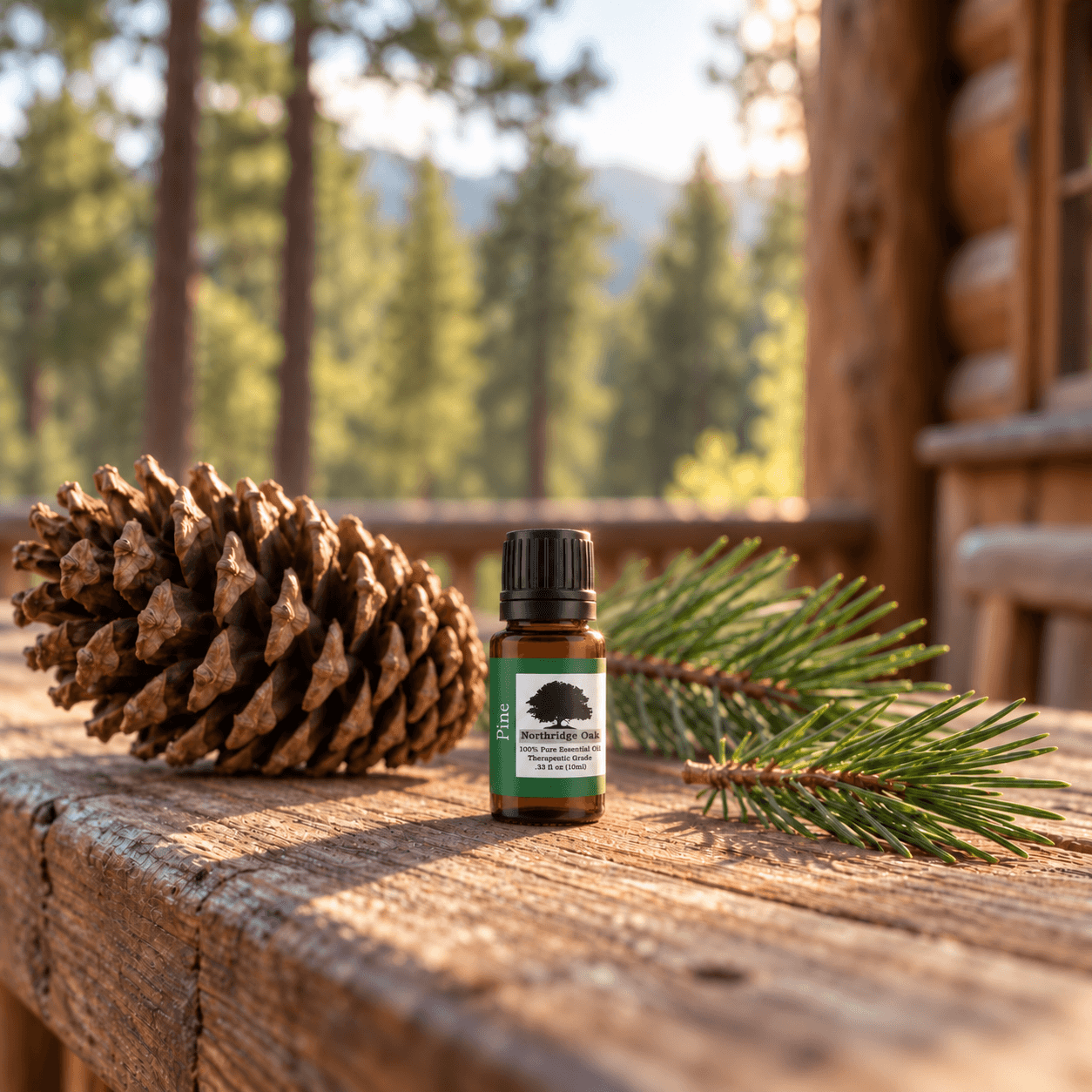
Cedarwood emphasizes dry wood and gives Myrrh structure. Pine brings green forest air. Patchouli adds earth and persistence, while Vetiver makes the fragrance deeper and more contemplative.
If you want to experience this side of Myrrh, try three drops Cedarwood, two drops Blood Orange and one drop Myrrh. The orange keeps the woods warm and approachable.
How Myrrh Behaves in a Diffuser
Air spreads the aroma and makes Myrrh feel softer than it does from the bottle. One drop can warm six or seven brighter drops without becoming the loudest note in the room.
The collection of 20 Myrrh diffuser blends is organized by mood, from golden citrus and peaceful florals to deep woods and warm spice.
How Myrrh Behaves on the Skin
Dilution rounds the concentrated edges, and body warmth reveals the balsamic quality. In natural perfume, citrus appears first, floral and resin notes form the heart and Myrrh remains at the finish.
That slow development is part of the pleasure. A Myrrh perfume roller may smell different after fifteen minutes than it did when first applied, and more integrated again after an hour.
Build Your Own Myrrh Scent Vocabulary
Instead of deciding only whether you like the oil, write down three concrete images. Does it remind you of antique wood, amber light, dry bark, old pages or sun-warmed resin? There is no single correct answer.
Repeat the exercise with Blood Orange, Lavender and Frankincense. Notice which words stay and which change. This helps you understand exactly what Myrrh contributes and makes future blending feel intuitive.
How to Find Your Favorite Side of Myrrh
Try Myrrh in three small pairings rather than deciding from the bottle alone. Blend one drop with two drops of Blood Orange for a glowing amber effect, one with two drops of Lavender for softness, and one with two drops of Cedarwood for a dry woodland finish. Smell each pairing when it is fresh, then return twenty minutes later.
This simple comparison turns aroma into discovery. You may find that citrus reveals Myrrh’s warmth, Lavender draws out its smoother edges, or Cedarwood makes the resin feel elegant and architectural. Once you recognize the direction you enjoy most, choosing a diffuser blend or personal fragrance becomes much easier.
Continue Exploring Myrrh Essential Oil
Once you recognize Myrrh’s aroma, follow it into the routines where it shines.
- Start with the complete Myrrh benefits and uses guide.
- Discover 18 oils that blend with Myrrh.
- Create a warm home atmosphere with 20 Myrrh diffuser blends.
- Try 12 enjoyable Myrrh recipes.
- Explore the aroma in skin care and natural perfume.
- Shop Northridge Oak Myrrh Essential Oil.
Give Myrrh More Than One Quick Smell
Place one drop on a paper strip, let it breathe and return over the next hour. Then pair it with Blood Orange or Lavender. The oil that first seemed dark may become one of the warmest, most sophisticated aromas in your collection.
Northridge Oak Myrrh Essential Oil lets you explore 100% pure, undiluted Myrrh, bottled in small batches and third-party GC/MS tested. Give it air, a bright companion and the time it deserves.
These statements have not been evaluated by the Food and Drug Administration. Northridge Oak products are not intended to diagnose, treat, cure or prevent disease.