Table of Contents
- The scent in plain language
- Blood Orange versus Sweet Orange
- Why it disappears faster than woods and resins
- How it changes with different partners
- Where the aroma works especially well
- How to enjoy the scent without a diffuser
- Choosing and storing a fresh bottle
- How quality and storage change what you smell
- Continue learning about blood orange essential oil
- Frequently Asked Questions
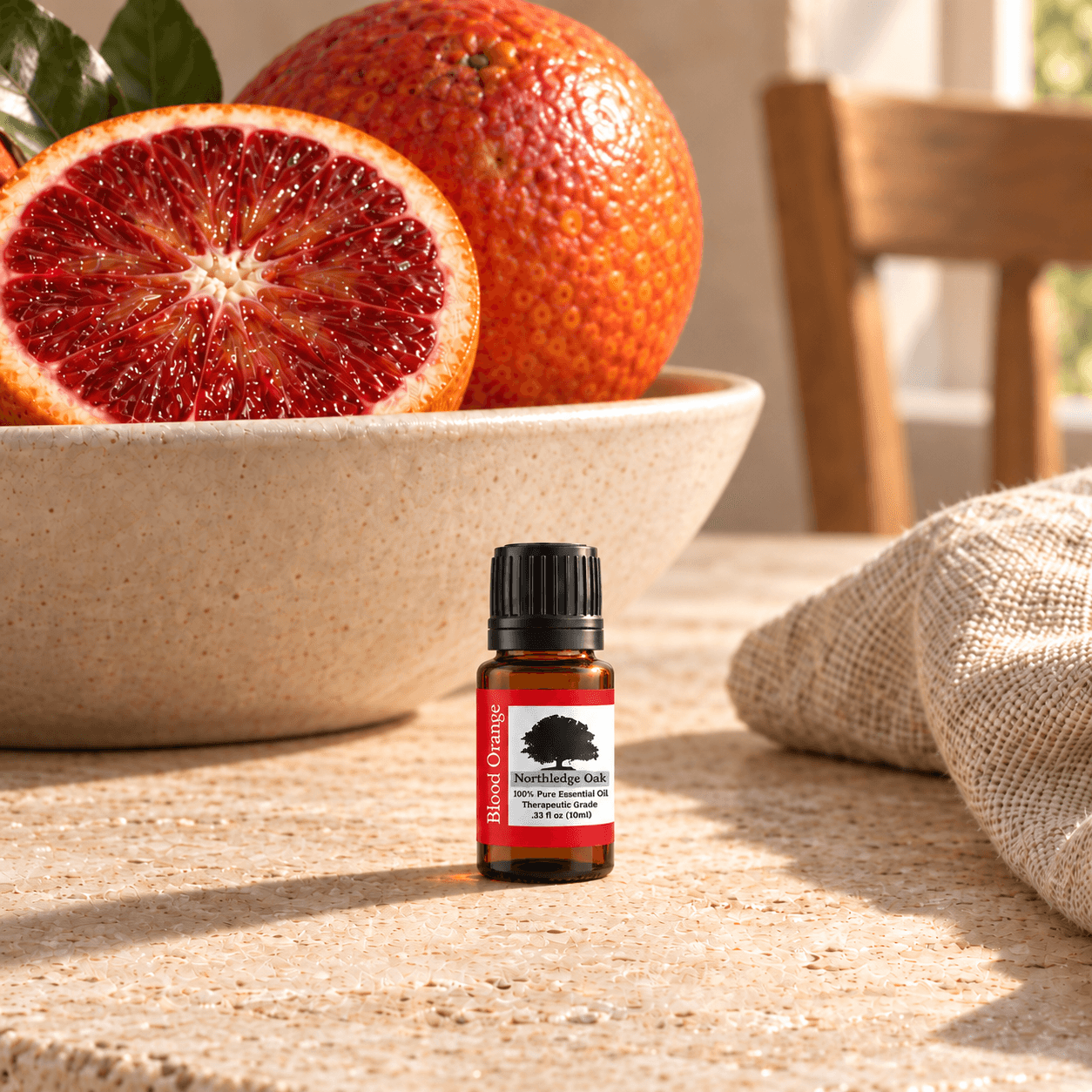
Open a bottle of Blood Orange Essential Oil and the first impression is unmistakably citrus—but it is not a flat, one-note “orange” scent. It begins with the brightness of freshly cut peel, moves into a juicy sweetness, and often finishes with a slightly deeper, almost berry-like warmth. That lively arc is why it can make an ordinary room feel sunnier in just a few drops.
The scent in plain language
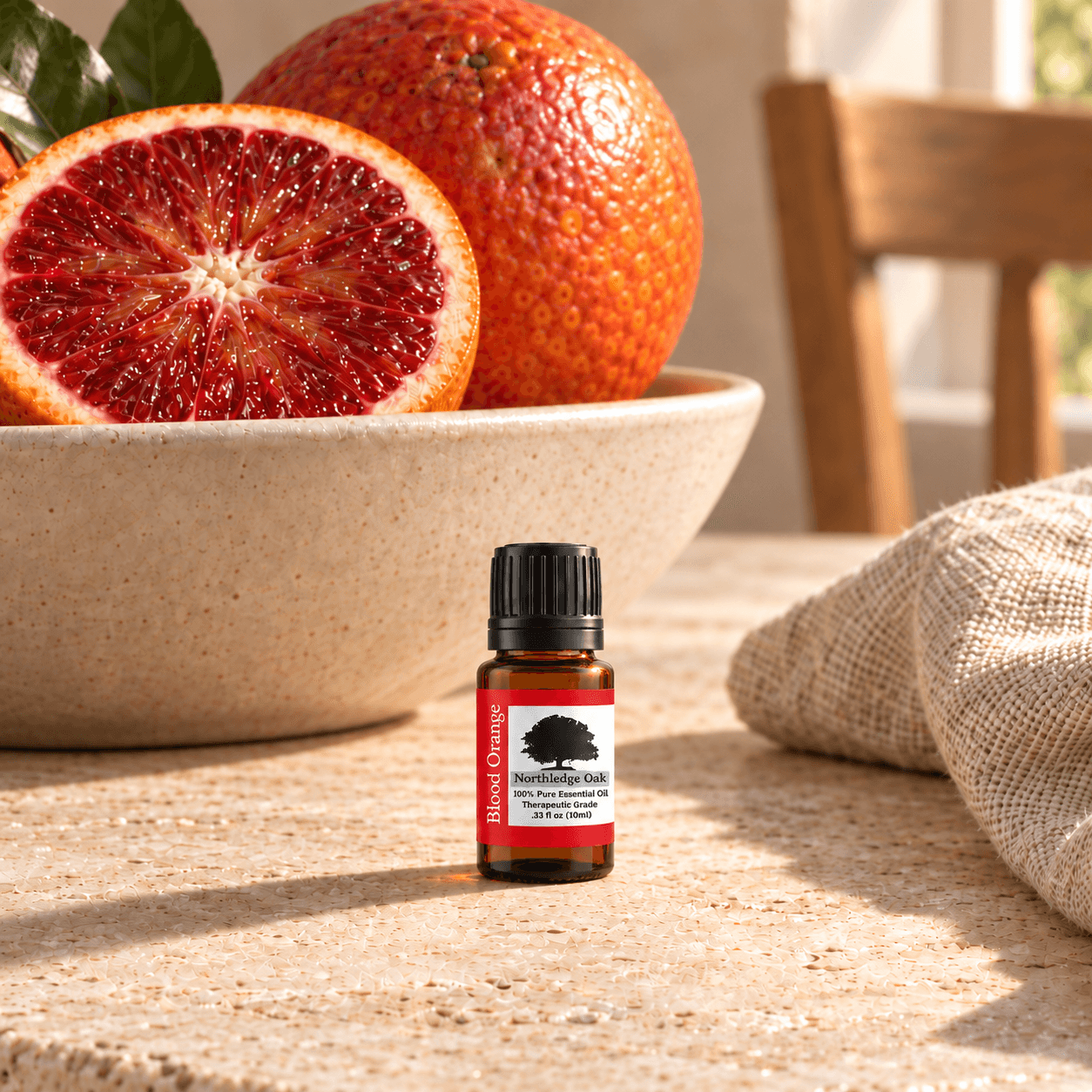
Blood Orange smells fresh, sweet, tart, and gently warm. Imagine pressing your thumb into the rind of a ripe orange: the tiny burst from the peel is the bright top note. Now add the rounded sweetness of the fruit and a subtle depth that recalls red berries. Essential oil comes primarily from the peel, so it smells more zesty and aromatic than a glass of juice.
It should not smell syrupy, artificial, or like orange-flavored candy. Natural batches can vary with cultivar, harvest, climate, and storage. A fresh bottle may be almost effervescent; an older or oxidized bottle can become dull, sharp, or varnish-like. That change is a useful signal to replace it rather than trying to hide it in a blend.
Blood Orange versus Sweet Orange
Both are derived from Citrus sinensis, and both are typically rich in limonene, so the family resemblance is strong. Sweet Orange Essential Oil often smells straightforwardly juicy, familiar, and mellow. Blood Orange tends to feel brighter at the opening and more complex through the middle, with a tart or berry-like suggestion that gives blends extra dimension.
This is a sensory distinction, not an absolute chemical promise. Growing conditions and extraction can sometimes create more difference between two batches than the name alone suggests. If choosing between them, use Sweet Orange for simple, classic orange warmth and Blood Orange when you want citrus with a more vivid personality.
Why it disappears faster than woods and resins
Blood Orange is a top note. Its lighter aromatic molecules evaporate relatively quickly, so you notice the bright citrus early and then sense it fading before cedarwood or frankincense. That is not poor quality; it is normal aromatic behavior. Pairing it with a slower middle or base note can make a blend feel more complete.
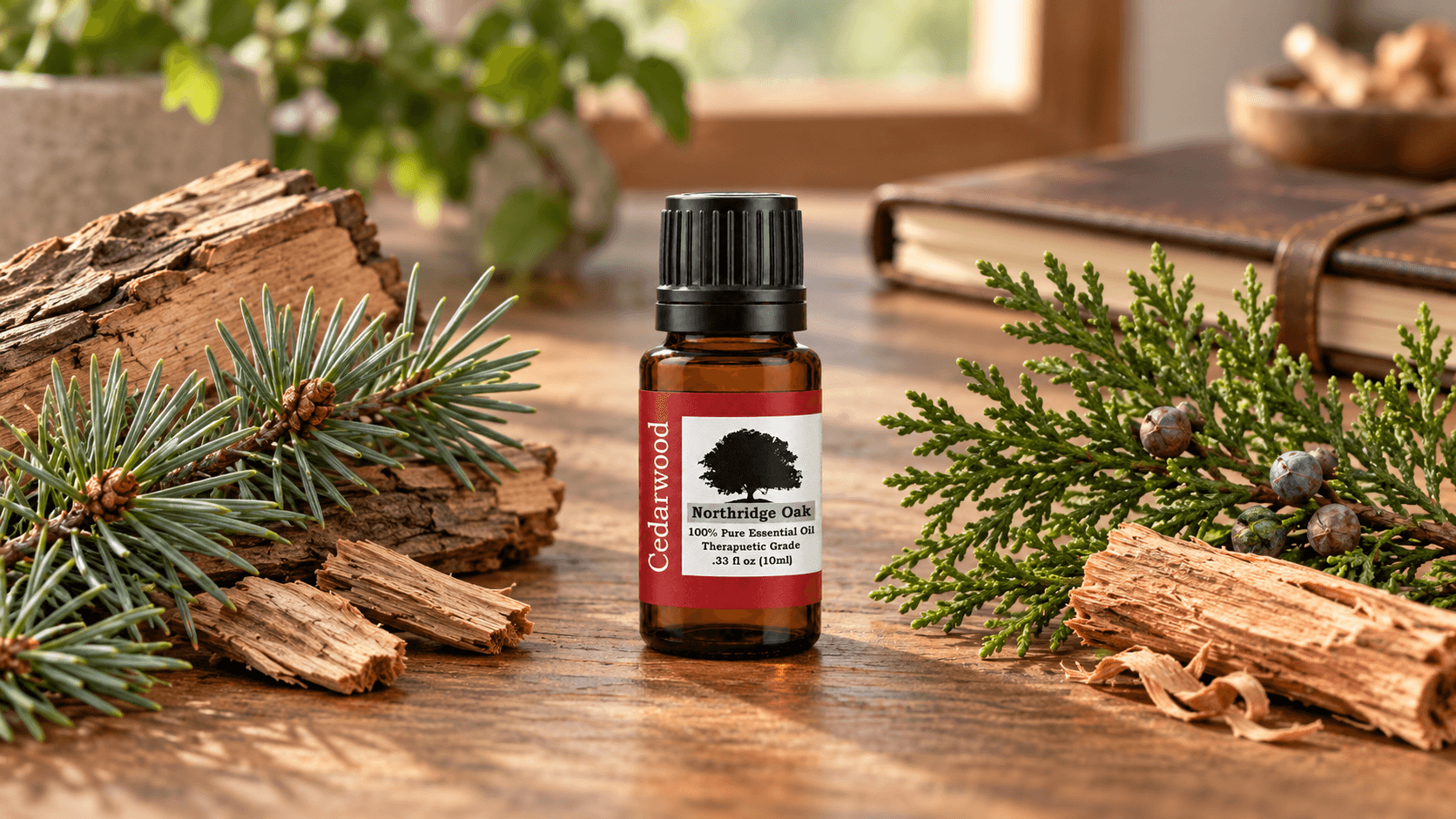
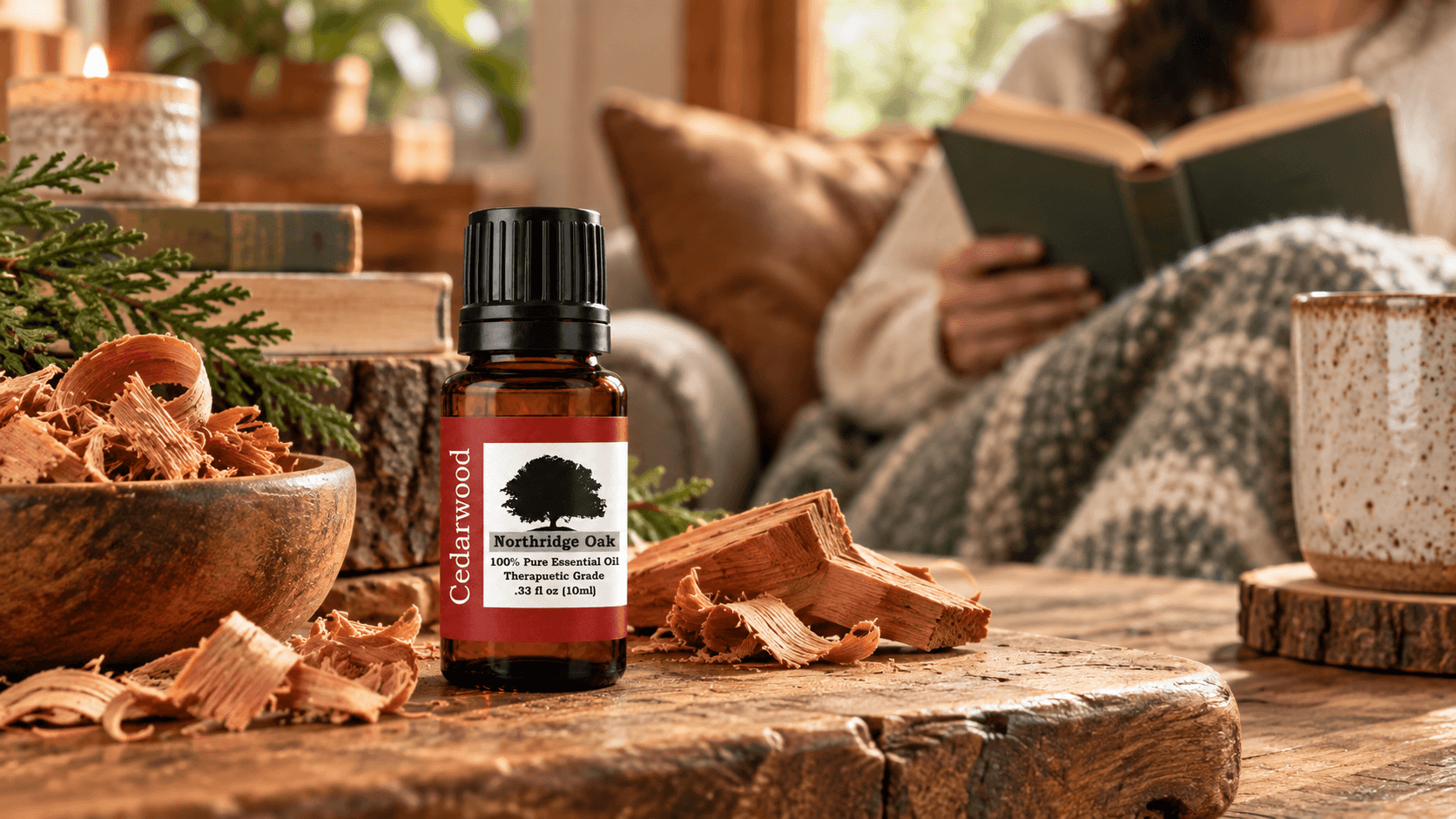
Try 4 drops Blood Orange with 2 drops Cedarwood Essential Oil, or 3 drops Blood Orange with 2 drops Lavender Essential Oil and 1 drop Frankincense Essential Oil. The goal is not to make the orange last forever; it is to give the aroma a graceful transition.
How it changes with different partners
With Lemon, Blood Orange becomes sparkling and clean. With Bergamot, it feels softer and more polished. With lavender, its sweetness becomes gentle and relaxed. Cedarwood brings out warmth; rosemary emphasizes the fresh peel; cinnamon leaf evokes orange pomanders and seasonal kitchens. Each partner reveals a different part of the oil.
Three-minute scent exercise
Place one drop of Blood Orange on a paper scent strip. Smell it from several inches away immediately, then again after three minutes and fifteen minutes. Write down the first three words that come to mind each time. Repeat with one drop Blood Orange plus one drop Cedarwood on a second strip. This simple exercise makes top-note behavior easy to recognize and helps you choose blends based on what you actually enjoy.
Where the aroma works especially well
Blood Orange suits kitchens, entryways, workspaces, living rooms, and any setting where you want warmth without heaviness. In a bedroom, pair it with lavender or cedarwood and diffuse before bedtime rather than continuously overnight. In a kitchen, combine it with lemon or rosemary after ordinary cleaning. For autumn and winter, one restrained drop of cinnamon leaf turns the sunny citrus into a cozy seasonal aroma.
How to enjoy the scent without a diffuser
Add 2 drops to an unglazed ceramic aroma stone, keeping it away from finished wood and textiles. For an aromatherapy inhaler, add 5–8 total drops to the wick, cap it, and inhale gently near—not inside—the nostrils. You can also make a room mist with 12 drops Blood Orange, 6 drops Lavender, and a properly formulated solubilizing base according to its supplier’s directions; oil and water alone do not stay safely dispersed.
Choosing and storing a fresh bottle
Look for the botanical name, country of origin, extraction method, and batch testing from a trusted seller. Store the tightly capped bottle in a cool, dark place. Citrus oils are particularly vulnerable to oxidation because of their chemistry and frequent air exposure. A smaller bottle you use while fresh is often a better choice than a large bottle that sits half empty for years.
If the scent becomes unusually harsh, resinous, or unlike fresh citrus peel, retire it from skin use. Even a beautiful oil is most enjoyable when freshness and safety are part of the ritual.
How quality and storage change what you smell
A good label should identify Citrus sinensis, the peel as the plant part, the extraction method, and ideally the origin or batch. Those details help confirm that the bottle contains what its name suggests. Independent batch testing adds confidence by showing whether the chemical profile fits the expected material.
Once opened, your habits shape the scent. Every long pause with the cap off exchanges fresh air into the bottle. A sunny windowsill adds heat and light. A nearly empty bottle contains more oxygen relative to oil. Over time, the lively peel note can flatten and acquire a harsh edge. Write the opening date on the label, close it promptly, and store it cool and dark.
If you are unsure whether a bottle has changed, compare it with a fresh citrus peel. A natural essential oil will not duplicate the fruit exactly, but the comparison should feel related and pleasant. When the bottle has become markedly stale, resinous, or paint-like, replacing it is better than forcing it into stronger blends.
Continue learning about blood orange essential oil
If this sunny citrus has earned a place in your routine, these guides will help you use it with more confidence:
- Blood Orange Essential Oil: Everyday Uses, DIY Recipes & Diffuser Blends
- Blood Orange Essential Oil Diffuser Blends: 20 Bright Recipes
- What Blends Well With Blood Orange Essential Oil?
- Blood Orange Essential Oil for Mood, Relaxation & Everyday Joy
- Blood Orange Essential Oil for Skin & Body Care
- Blood Orange Essential Oil for Cleaning & Home Aromas
These statements have not been evaluated by the Food and Drug Administration. Northridge Oak products are not intended to diagnose, treat, cure or prevent disease.