Table of Contents
- Why Clary Sage Is Such a Useful Blending Oil
- Citrus Oils
- Floral Oils
- Herbs and Mints
- Woods, Resins and Earthy Oils
- Six Dependable Starting Blends
- Learning About Essential Oils: Build a Bright, Heart and Base Triangle
- A Simple Way to Experience Clary Sage
- Continue Learning About Clary Sage Essential Oil
- Thoughtful Use
- Frequently Asked Questions
The pleasure of blending Clary Sage begins when you stop asking only which oils “go with it” and start asking what you want the finished room to feel like. Its softly herbal, slightly sweet and tea-like character can be brightened, softened, deepened or made more spacious depending on the partner you choose. This guide explains why the best pairings work and gives you measured blends you can actually recreate.
Why Clary Sage Is Such a Useful Blending Oil
Some oils sit clearly at one end of a blend. Clary Sage moves between families. It can soften a sharp herbal recipe, make a citrus blend feel more complete or give a deep wood formula a gentle floral lift. Begin with one or two drops and let the blend rest before adjusting.
Citrus Oils
Bergamot
Bergamot is the easiest starting partner. Its bright floral citrus makes Clary Sage feel polished and open. Try three drops Bergamot, two Clary Sage and one Frankincense.
Lemon, Grapefruit and Blood Orange
Lemon creates a clean herbal brightness. Grapefruit feels airy and modern. Blood Orange warms the tea-like sweetness. Each citrus reveals a different side without covering Clary Sage’s identity.
Floral Oils
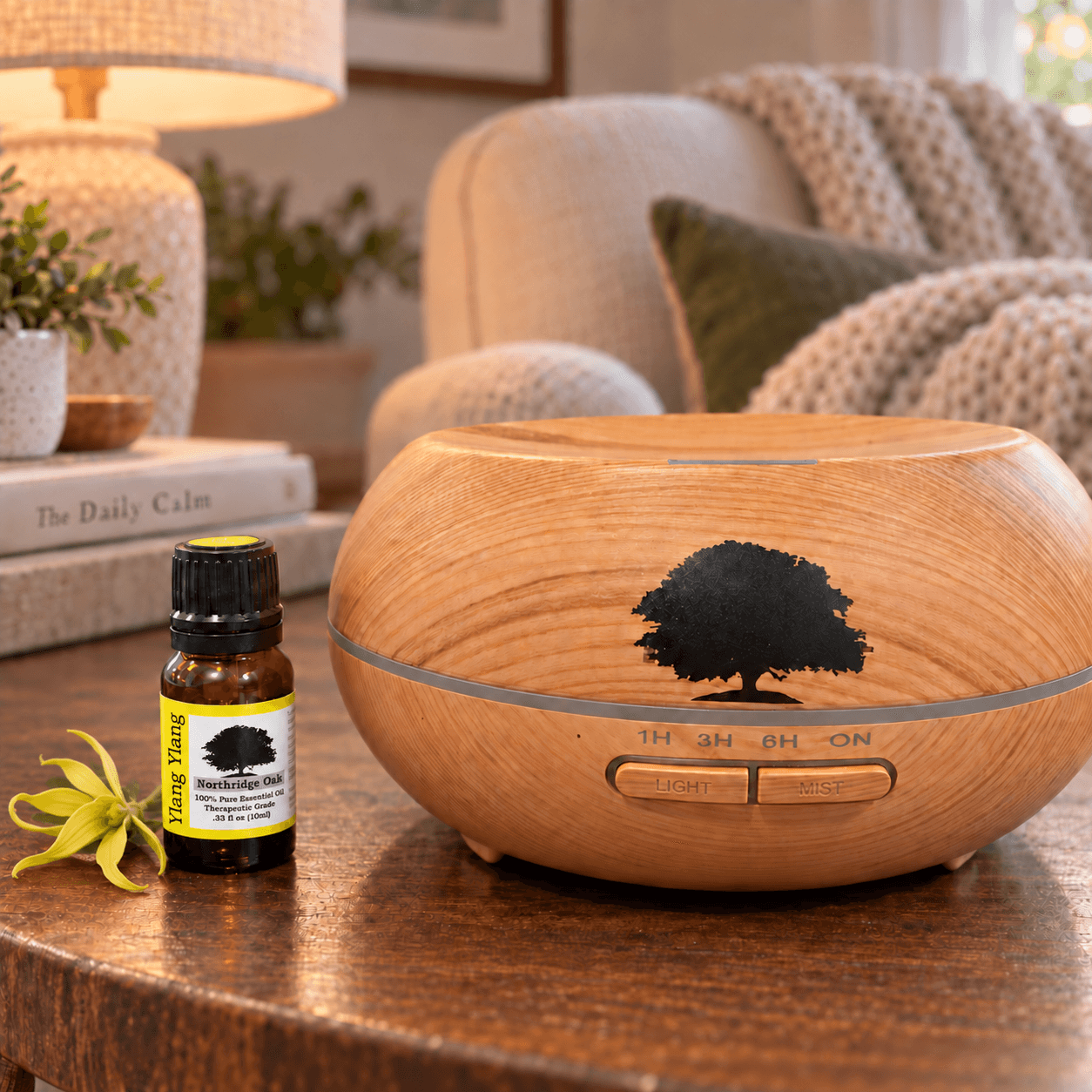
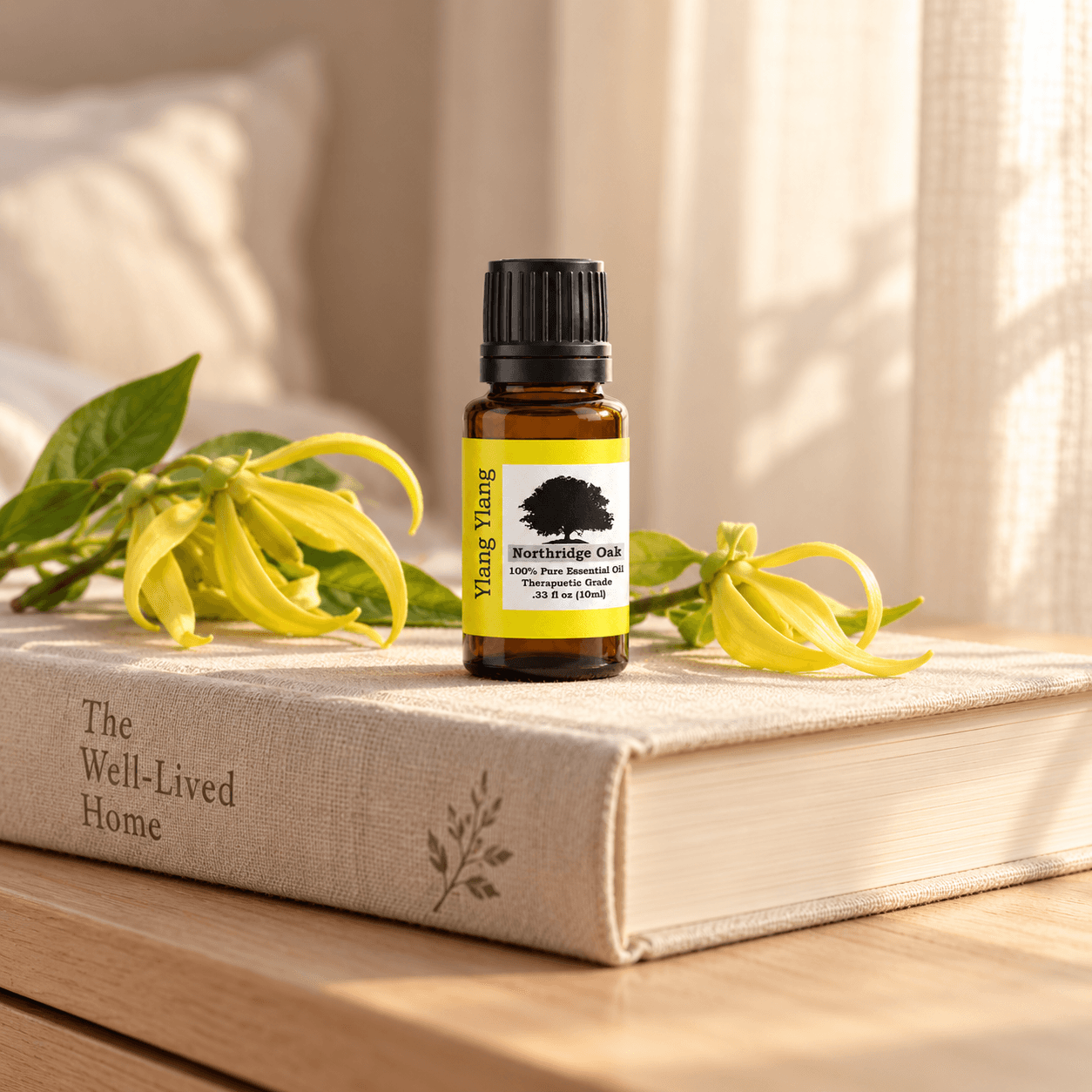
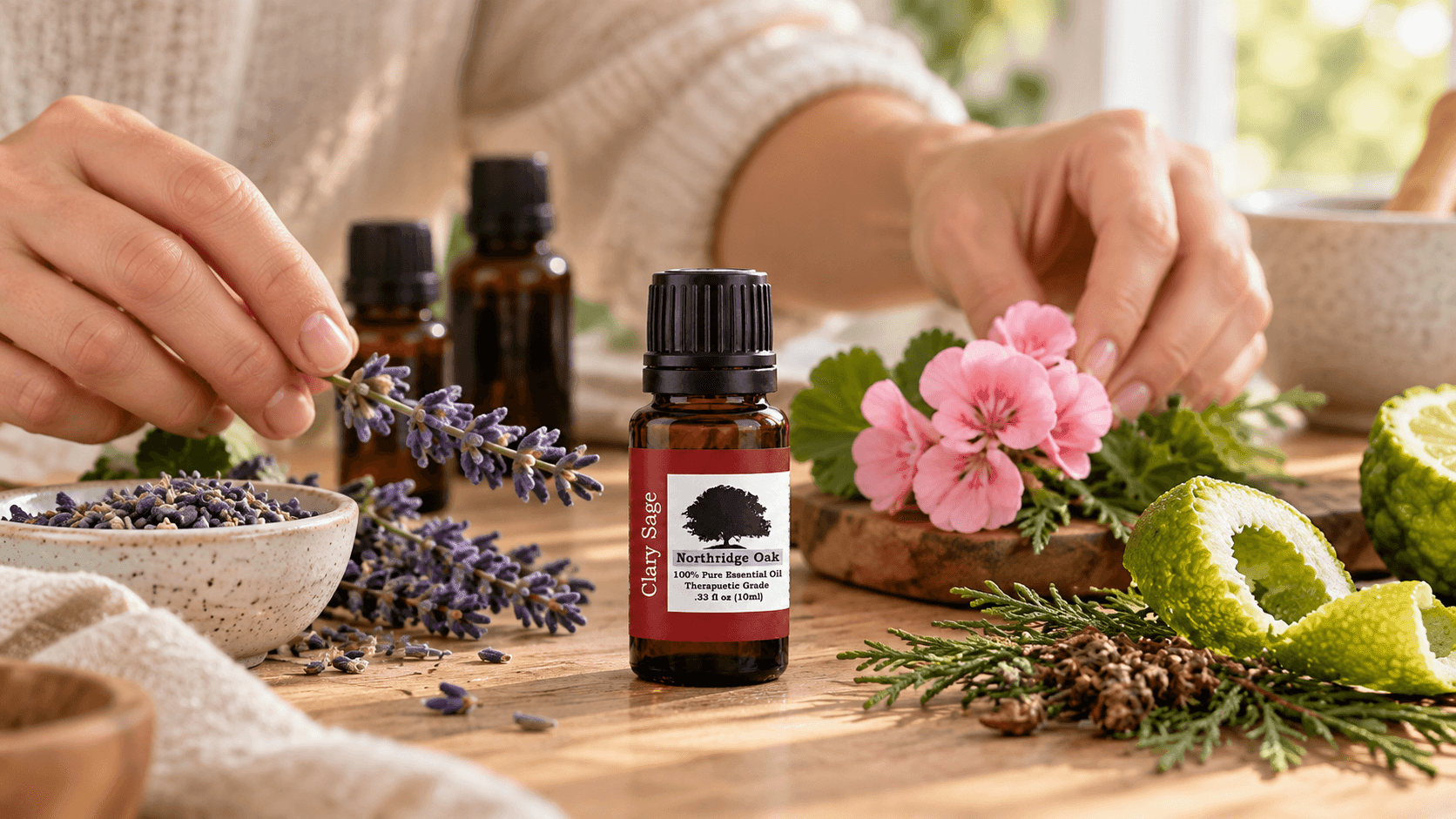
Lavender creates a soft evening blend; Geranium emphasizes the rosy-green heart; Ylang Ylang brings richer sweetness. Use Ylang Ylang sparingly so Clary Sage remains easy to recognize.
Herbs and Mints
Rosemary sharpens the herbal side for a clear daytime blend. Marjoram makes it warmer and gentler. A trace of Peppermint creates lift, especially when Lemon provides a bridge between mint and floral herb.
Woods, Resins and Earthy Oils
Cedarwood supplies a dry foundation; Frankincense adds spacious resinous warmth; Patchouli deepens the earthiness; Vetiver creates a long, quiet drydown. Start with a trace of the deepest oils.
Six Dependable Starting Blends
- Gentle Welcome: 2 Clary Sage, 3 Bergamot, 1 Lavender
- Tea Garden: 2 Clary Sage, 2 Lemon, 1 Geranium
- Quiet Woods: 2 Clary Sage, 2 Cedarwood, 1 Frankincense
- Soft Evening: 2 Clary Sage, 3 Lavender, 1 Marjoram
- Bright Focus: 2 Clary Sage, 2 Grapefruit, 1 Rosemary
- Warm Floral: 2 Clary Sage, 2 Blood Orange, 1 Ylang Ylang
Choose a bright top note, Clary Sage as the heart and a wood or resin as the base. For six drops, begin with three bright, two Clary Sage and one base. Smell again after fifteen minutes; the heart and base become more apparent after citrus settles.
Add citrus for lift, Lavender for softness, Cedarwood for structure or Frankincense for resinous space. If the formula feels crowded, return to two oils and rebuild. A small notebook makes favorite ratios repeatable.
For a kitchen or entryway, choose citrus. For a bedroom, pair Clary Sage with Lavender and a light wood note. For a personal aroma, Bergamot and Cedarwood create a refined unisex direction. For an outdoor-inspired living space, Grapefruit and Rosemary feel open and green.
Citrus partners create an inviting opening, florals broaden the heart, herbs emphasize the green character and woods or resins extend the finish. Start with three parts bright note, two parts Clary Sage and one part base. For a softer floral direction, use equal parts Clary Sage and Lavender with a smaller amount of Bergamot.
Test the same formula on a scent strip and in a diffuser. Paper reveals the slow drydown, while diffusion shows how the recipe fills space. Preserve the ratio when moving between methods, then adjust total strength for the room or intended use.
Choose the pairing that matches your style. Bergamot creates polished brightness, Lavender brings garden softness, Cedarwood adds dry structure and Frankincense supplies resinous warmth. Give the blend a name and record its exact ratio.
Try it first on a scent strip, then in a diffuser. When adapting it for personal use, calculate a suitable topical concentration. One recognizable scent can become a welcoming room blend and a close-wearing personal aroma.
A clearly identified Salvia sclarea oil gives every recipe a dependable herbal-floral heart. Northridge Oak’s small-batch, third-party tested oil lets citrus, flowers and woods surround the natural aroma rather than competing with synthetic fragrance.
Bergamot makes Clary Sage polished. Lavender makes it soft. Geranium creates a green garden. Lemon brings clean brightness. Cedarwood adds dry structure. Frankincense creates resinous space. Blood Orange emphasizes tea-like warmth.
Choose the description that sounds most appealing and begin with that two-oil combination. Once the relationship is clear, add a third note to create a top, heart and base structure. Let perfume studies rest overnight; Clary Sage often becomes smoother after the quickest notes settle.
Northridge Oak Clary Sage Essential Oil is 100% pure, undiluted Salvia sclarea from France. It is bottled in small batches and third-party GC/MS tested, with no fillers or synthetic fragrance. Its soft herbaceous aroma, gentle floral sweetness and tea-like warmth make it especially rewarding in diffusion, natural perfumery and properly diluted personal-care recipes.
If one bottle can connect citrus, florals and woods, Clary Sage is that bottle—an ideal choice for anyone ready to create a signature blend.
Try Northridge Oak Clary Sage Essential Oil
Learning About Essential Oils: Build a Bright, Heart and Base Triangle
Write the botanical name, total drops, method, date and first impression in a blending notebook. Smell the formula immediately and again after fifteen minutes. Clary Sage often becomes rounder and more tea-like as the brightest notes settle. Recording that development teaches you more than judging the bottle from one quick sniff.
Change one element at a time. A one-drop adjustment can move Clary Sage toward citrus brightness, floral softness, herbal clarity or woody depth. This measured approach makes successful recipes repeatable and helps you recognize exactly what each oil contributes.
A Simple Way to Experience Clary Sage
You do not need a complicated project to decide whether this oil is for you. Begin with the aroma itself. Place one drop on a paper scent strip or cotton pad, set it several inches away and notice the first impression. Return after 15 minutes, then again after an hour. Clary Sage often reveals more character as the sharpest opening settles, and this slower test makes it easier to notice the softly herbal, slightly sweet and tea-like details that disappear when you smell directly from the bottle.
Try a three-strip test before filling the diffuser: one strip with Clary Sage, one with your chosen partner and a third with both oils placed close together. Smell the trio at the beginning and again after 15 minutes. This quickly tells you whether the partner brightens, softens or grounds Clary Sage, and it gives you a reason for the ratio instead of leaving you to follow a list blindly.
If that sounds like the kind of ritual you would enjoy, Northridge Oak Clary Sage Essential Oil is 100% pure and undiluted, bottled in small batches and third-party GC/MS tested. It gives you a clearly identified single oil and a dependable place to begin.
Continue Learning About Clary Sage Essential Oil
Make this article part of a complete Clary Sage routine:
- Clary Sage Essential Oil Benefits, Uses & Safety Guide
- Clary Sage Essential Oil for Relaxation: What Research Found
- Clary Sage Essential Oil for Sleep: Evening Blends & Rituals
- Clary Sage Essential Oil Diffuser Blends: 20 Recipes
- What Does Clary Sage Essential Oil Smell Like?
Thoughtful Use
For topical recipes, calculate the total essential-oil concentration, dilute in a suitable carrier and patch test the completed blend. Diffuse intermittently with fresh airflow and allow everyone in the room a scent-free option. Seek individualized guidance during pregnancy or nursing, for young children, around pets, with medications or significant health considerations.
Read the complete essential-oil safety guide and beginner’s guide.
These statements have not been evaluated by the Food and Drug Administration. Northridge Oak products are not intended to diagnose, treat, cure or prevent disease.