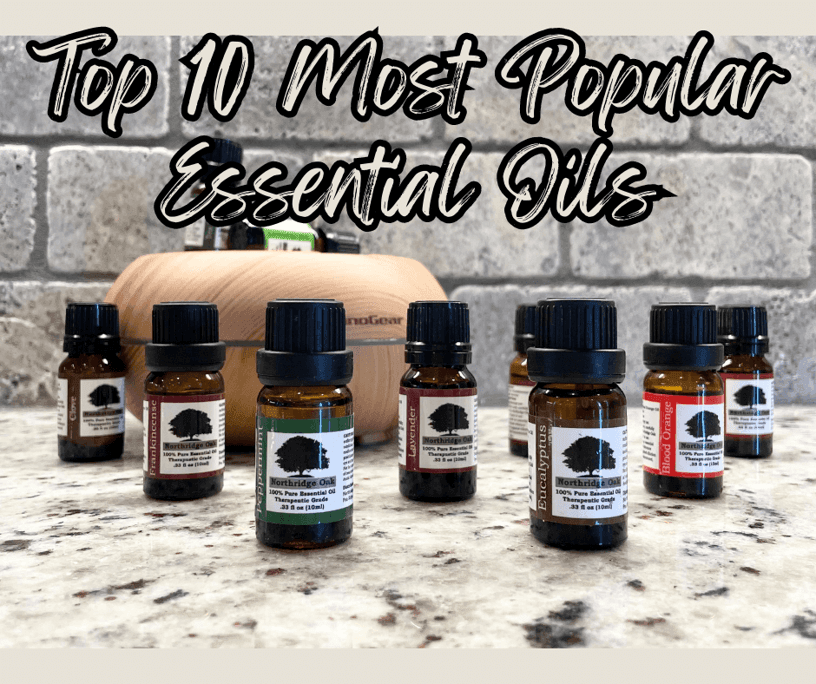
Walk into almost any aromatherapy collection and a familiar group of bottles appears again and again. Lavender brings a soft floral calm. Peppermint feels cool and bright. Lemon makes a room seem freshly opened, while Frankincense adds warm, resinous depth. These are the oils people reach for first because they are recognizable, versatile and easy to bring into everyday routines.
The most common essential oils are Lavender, Peppermint, Tea Tree, Eucalyptus, Lemon, Frankincense, Rosemary, Cedarwood, Bergamot, Blood Orange, Lemongrass, Patchouli, Geranium, German Chamomile and Ylang Ylang. Together, they cover the aromatic families most people want in a starter collection: floral, minty, citrus, herbal, woodsy and resinous.
This guide gives you more than a list. You will learn what each oil smells like, why it is so popular, the everyday situations in which it shines, what it blends well with and how to choose the oils that fit your life. If you are completely new to aromatherapy, keep our essential oils for beginners guide open as a companion.
What Makes an Essential Oil “Common”?
This guide defines the most common essential oils by the qualities that matter most to a reader: broad recognition, a welcoming place in beginner collections, reliable availability and enough versatility to support several kinds of aromatic or household use.
That is how we chose the 15 oils in this guide. Each one has a clear aromatic identity, a long history of use, a strong place in modern aromatherapy and enough versatility to earn its space in a practical home collection. We also selected oils that work beautifully together, because a small, well-planned group of oils can create dozens of distinct aromas.
The 15 Most Common Essential Oils at a Glance
| Essential oil | Aroma | A favorite for | Blends beautifully with |
|---|---|---|---|
| Lavender | Soft, floral and herbaceous | Evening routines and gentle home aroma | Lemon, Bergamot, Cedarwood |
| Peppermint | Cool, minty and penetrating | Fresh daytime and workspace blends | Lemon, Rosemary, Eucalyptus |
| Tea Tree | Fresh, green and medicinal | Cleansing and personal-care recipes | Lemon, Lavender, Eucalyptus |
| Eucalyptus | Crisp, camphoraceous and airy | Fresh seasonal diffuser blends | Peppermint, Lemon, Rosemary |
| Lemon | Bright, clean and zesty | Kitchen, laundry and cheerful blends | Lavender, Peppermint, Tea Tree |
| Frankincense | Warm, resinous and softly citrusy | Meditation and reflective routines | Lavender, Bergamot, Cedarwood |
| Rosemary | Herbal, clear and invigorating | Focus, hair and fresh home recipes | Peppermint, Lemon, Cedarwood |
| Cedarwood | Dry, warm and woodsy | Grounding blends and natural perfumery | Bergamot, Lavender, Frankincense |
| Bergamot FCF | Citrusy, floral and tea-like | Bright, polished morning or evening blends | Lavender, Cedarwood, Geranium |
| Blood Orange | Sweet, juicy and warmly citrusy | Welcoming family spaces and cheerful blends | Clove, Frankincense, Ylang Ylang |
| Lemongrass | Bold, lemony and grassy | Fresh household and outdoor-inspired blends | Eucalyptus, Lavender, Cedarwood |
| Patchouli | Earthy, rich and softly sweet | Grounding blends and natural perfume | Bergamot, Blood Orange, Geranium |
| Geranium | Rosy, green and gently herbaceous | Personal aroma and body-care recipes | Bergamot, Lavender, Patchouli |
| German Chamomile | Deep, herbaceous and softly sweet | Quiet evening and carefully formulated skin recipes | Lavender, Geranium, Frankincense |
| Ylang Ylang | Lush, sweet and exotic floral | Romantic blends and natural perfumery | Bergamot, Blood Orange, Patchouli |
Meet the Most Popular Essential Oils
1. Lavender Essential Oil
Lavender is the welcoming front door of aromatherapy. Its soft floral character is fresh enough for daytime, gentle enough for evening and versatile enough to blend with nearly every aromatic family. That range is why Lavender so often becomes a person’s first bottle—and the one that never leaves the collection.
Diffuse it while reading, journaling or settling the house for the evening. Add it to a properly diluted body oil, linen mist or bath-and-body recipe. For a blend that feels familiar from the first breath, pair Lavender with Lemon during the day or Frankincense and Cedarwood in the evening. Explore our complete Lavender Essential Oil guide or shop Northridge Oak Lavender Essential Oil.
2. Peppermint Essential Oil
Peppermint announces itself immediately: cool, clean, minty and wonderfully bright. A small amount changes the personality of an entire blend, which makes it valuable when you want a workspace to feel refreshed or a seasonal aroma to feel open and crisp.
Try Peppermint with Lemon for a sparkling daytime blend, with Rosemary for an herbaceous study aroma or with Eucalyptus for a cool seasonal atmosphere. Peppermint also appears in properly diluted massage, scalp and personal-care recipes. Because the aroma is naturally strong, begin with one or two drops in a diffuser blend and adjust from there. Shop Peppermint Essential Oil.
3. Tea Tree Essential Oil
Tea Tree has become a household staple because its fresh, green and medicinal aroma communicates cleanliness so clearly. It is frequently chosen for carefully formulated skin, scalp, nail and household recipes, and it adds a crisp botanical edge to diffuser blends.
Tea Tree is especially pleasant when rounded with Lavender or brightened with Lemon. In topical projects, use it as one ingredient in a finished, properly diluted formula rather than treating the bottle as a ready-to-use product. A randomized trial of a formulated 5% Tea Tree gel reported encouraging improvements in mild-to-moderate acne, giving researchers a useful foundation for continued study and giving formulators a reason to keep exploring Tea Tree in thoughtfully designed products. Read the study and shop Tea Tree Essential Oil.
4. Eucalyptus Essential Oil
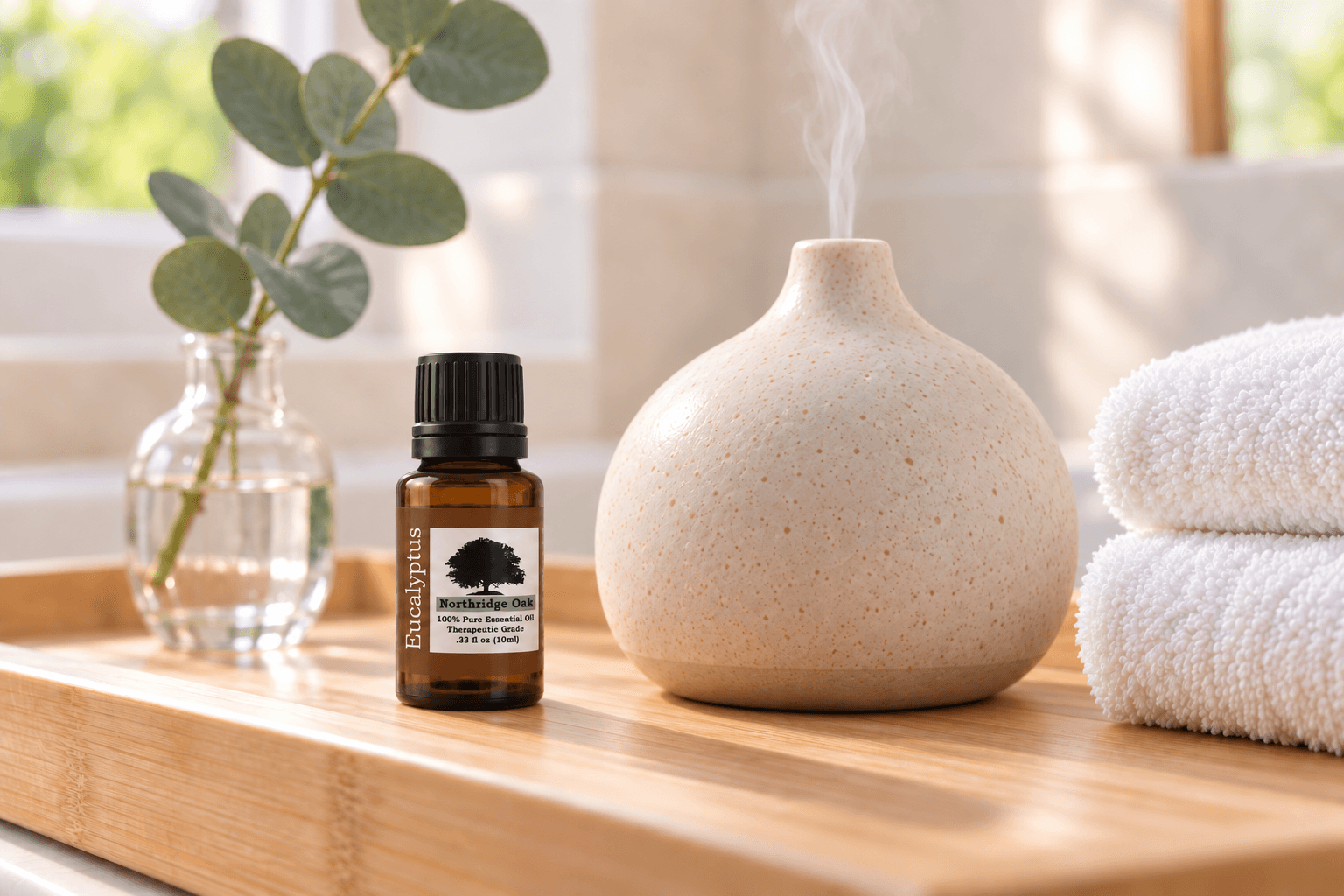
Eucalyptus is famous for an aroma that feels expansive: crisp leaves, cool air and a distinctive camphoraceous clarity. It is a natural choice for showers, seasonal diffuser blends and home aromas designed to feel especially fresh.
Blend Eucalyptus with Lemon for brightness, Peppermint for a cooler profile or Rosemary for a layered herbal aroma. It also brings a clean forest character to Balsam Fir and Cedarwood. In a diffuser, Eucalyptus usually plays a leading role, so a few drops can shape the entire blend. Shop Eucalyptus Essential Oil.
5. Lemon Essential Oil
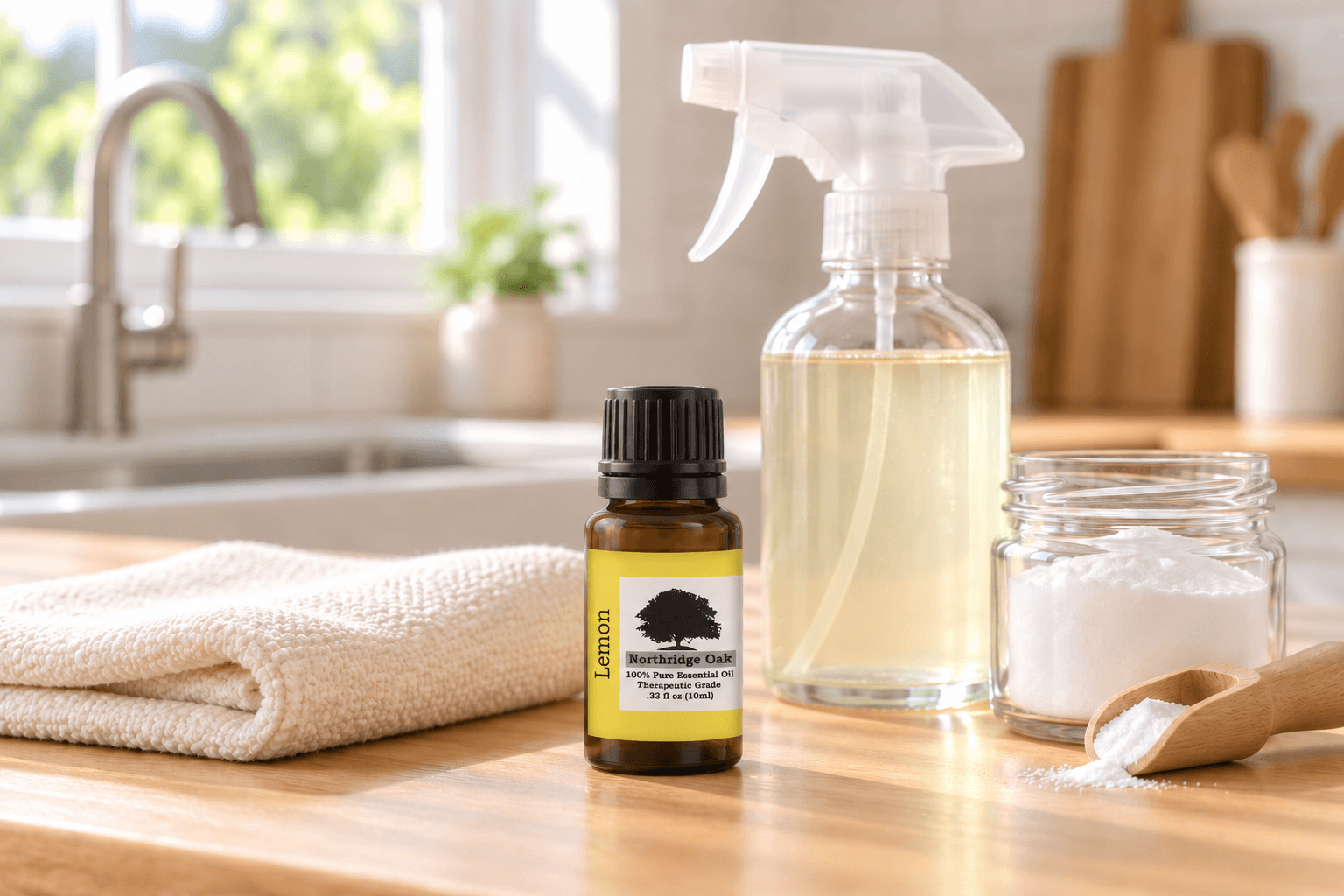
Lemon is sunshine in aromatic form. Its bright peel aroma feels instantly familiar, and it has an unusual talent for making mint, floral, herbal and woodsy oils feel lighter. That makes Lemon one of the easiest oils to use when a blend feels too heavy or complicated.
It is equally at home in kitchen-inspired blends, laundry routines, room aromas and carefully formulated cleaning recipes. Pair it with Lavender for a soft citrus-floral combination, Tea Tree for a crisp clean aroma or Peppermint for an energetic daytime blend. Shop Lemon Essential Oil.
6. Frankincense Essential Oil
Frankincense carries centuries of aromatic and ceremonial history in a warm resinous scent. Northridge Oak Frankincense Serrata has earthy, balsamic and softly citrusy notes that feel at home in meditation spaces, evening routines, natural perfumes and reflective moments.
The beauty of Frankincense is its ability to connect aromatic families. It gives Lavender more depth, smooths bright citrus oils and helps Cedarwood or Patchouli feel more rounded. It is also popular in properly diluted facial and body oils because a small amount adds an elegant resinous aroma. Shop Frankincense Essential Oil.
7. Rosemary Essential Oil
Rosemary smells like a freshly brushed herb garden: green, penetrating and alive. People commonly choose it for focus-oriented diffuser blends, scalp and hair recipes, massage oils and fresh-smelling household projects.
Research has also made Rosemary especially interesting. In one aroma-exposure study, blood levels of 1,8-cineole—a naturally occurring constituent of Rosemary—were associated with aspects of cognitive performance. The encouraging takeaway is that aroma, chemistry and the experience of alertness can be studied together, offering a scientific reason to explore Rosemary as part of a focused workspace routine. Read the study, visit the Rosemary Learning Center or shop Rosemary Essential Oil.
8. Cedarwood Essential Oil
Cedarwood gives a blend structure. Its dry, warm, woodsy aroma is steady rather than overpowering, which lets it anchor lighter oils without hiding them. That dependable character makes Cedarwood popular in evening diffuser blends, natural perfumes, beard-care formulas and properly diluted scalp recipes.
Pair Cedarwood with Bergamot for a polished wood-and-citrus aroma, Lavender for a quiet nighttime atmosphere or Frankincense for deep resinous warmth. If you want one woodsy oil that plays well with nearly everything, Cedarwood is a wonderfully practical choice. Shop Cedarwood Essential Oil.
9. Bergamot FCF Essential Oil
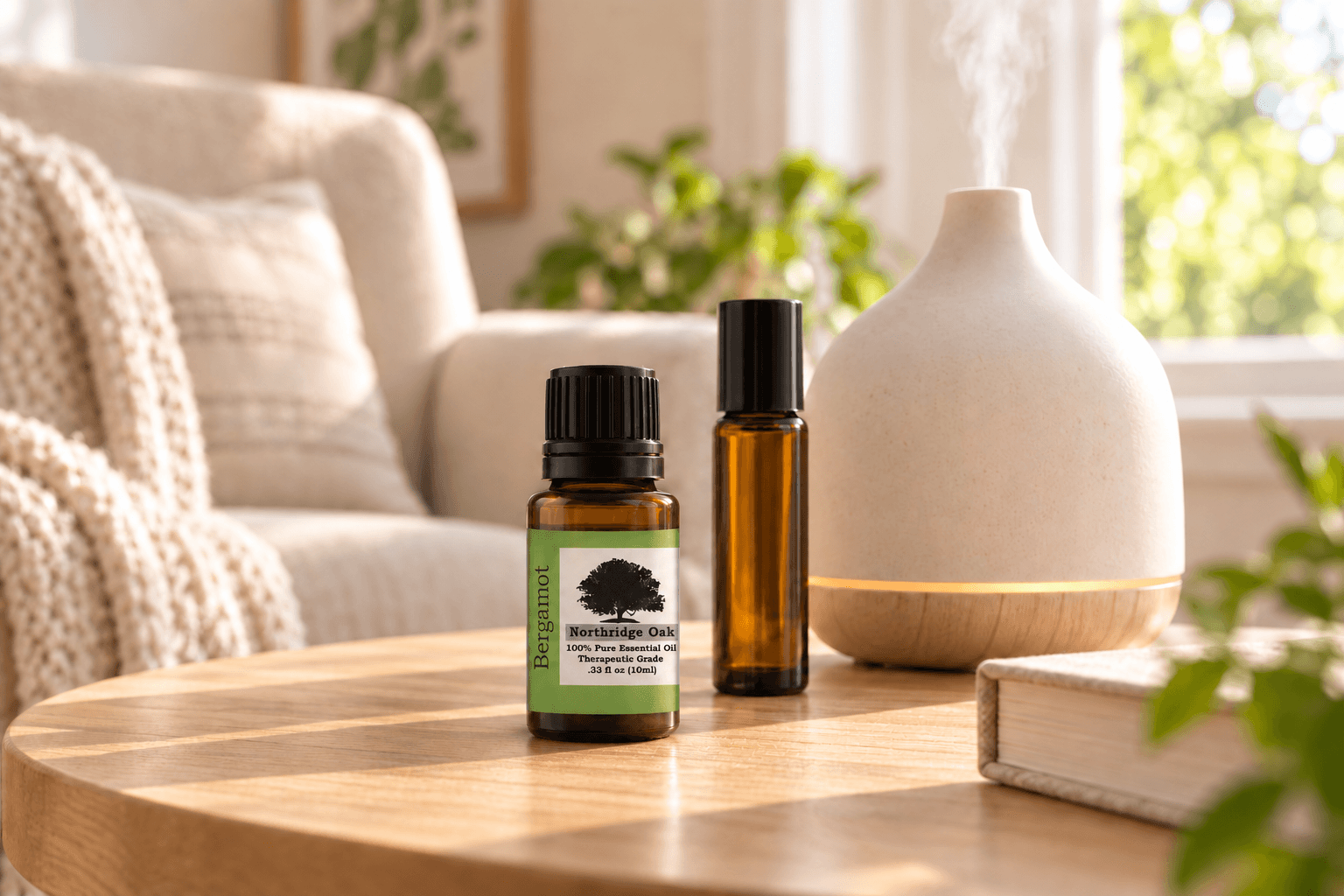
Bergamot sits beautifully between citrus and floral. It opens with sparkling peel, reveals a gentle floral heart and finishes with a refined green-tea dryness. That complexity explains why Bergamot appears so often in both fine fragrance and everyday diffuser recipes.
Use it when Lemon feels too sharp and Orange feels too sweet. Bergamot can brighten a morning blend with Rosemary, soften an evening blend with Lavender or lift deeper oils such as Cedarwood, Frankincense and Patchouli. Northridge Oak Bergamot is FCF, meaning the primary phototoxic furocoumarins have been removed for greater flexibility in properly diluted topical projects. Shop Bergamot FCF Essential Oil.
10. Blood Orange Essential Oil
Blood Orange is juicy, sweet and warmly familiar. Where Lemon feels crisp and Bergamot feels refined, Blood Orange feels welcoming. It is the kind of aroma that can make a kitchen, living room or family space feel instantly cheerful.
Its sweetness pairs naturally with spicy Clove, grounding Frankincense, lush Ylang Ylang and earthy Patchouli. Blood Orange also softens strong herbal oils and makes a beginner’s first blend feel more forgiving. Shop Blood Orange Essential Oil.
11. Lemongrass Essential Oil
Lemongrass is bold, lemony and distinctly green. It offers citrus brightness with an herbal backbone, so it stands up well in household blends, outdoor-inspired aromas and strong fresh-smelling recipes.
Because Lemongrass has such presence, it often works best as an accent. Try one drop with Lavender and Cedarwood for a balanced botanical blend, or pair it with Eucalyptus and Lemon for a bright, breezy atmosphere. In topical recipes, thoughtful dilution lets its vivid aroma shine without dominating the finished formula. Shop Lemongrass Essential Oil.
12. Patchouli Essential Oil
Patchouli is earthy, rich and softly sweet, with an aroma that develops beautifully as a blend rests. It became famous through perfume and cultural history, yet its real gift is practical: Patchouli acts as a base note that helps lighter aromas feel deeper and last longer.
Add one drop to Bergamot and Geranium for an elegant natural perfume, or combine it with Blood Orange and Frankincense for warmth. People who remember only an intense patchouli aroma are often surprised by how polished it becomes when used sparingly in a balanced blend. Shop Patchouli Essential Oil.
13. Geranium Essential Oil
Geranium offers rosy beauty with a green, herbaceous edge. It provides the feeling of a floral oil without becoming powdery, and it can give citrus and woodsy blends a graceful, garden-like center.
Geranium is popular in natural perfumery and properly formulated face, body and hair recipes. Pair it with Bergamot for brightness, Lavender for softness or Patchouli for depth. If you want a floral oil that can travel from daytime freshness to evening elegance, Geranium is an excellent place to begin. Shop Geranium Essential Oil.
14. German Chamomile Essential Oil
German Chamomile has a deep herbaceous aroma and a naturally blue color created by chamazulene, a compound formed during distillation. It is treasured in carefully formulated skin-care, massage and evening recipes, where only a small amount is needed.
Its strong botanical character becomes beautifully rounded beside Lavender, Geranium or Frankincense. German Chamomile is a wonderful example of why essential oils are so fascinating: the plant, extraction process, chemistry, color and aroma all tell one connected story. Shop German Chamomile Essential Oil.
15. Ylang Ylang Essential Oil
Ylang Ylang is lush, sweet and unmistakably floral. A single drop can transform a blend into something that feels luxurious, romantic and complete. It is widely used in natural perfumery, evening diffuser blends and properly diluted hair and body recipes.
Pair it with Bergamot for sparkle, Blood Orange for sweetness or Patchouli for a full perfume-like base. The secret is restraint: begin with one drop, let the blend rest, then decide whether it needs more. Shop Ylang Ylang Essential Oil.
What Essential Oil Research Can Tell Us
Essential oil research is most useful when we look closely at the exact oil, preparation, concentration, delivery method and outcome being studied. A diffuser study, for example, tells us about aromatic exposure; a trial using a finished topical gel tells us about that complete formulation. Reading the details helps us appreciate positive findings and apply them thoughtfully.
Several studies offer encouraging reasons to keep exploring these familiar oils. A controlled sleep-laboratory study found that Lavender aroma increased deep, slow-wave sleep during part of the night and participants reported greater morning energy. That makes Lavender especially inviting as one aromatic cue in a comfortable evening routine. Read the Lavender study.
Rosemary aroma research has connected its naturally occurring 1,8-cineole with aspects of cognitive performance, supporting Rosemary’s long-standing place in study and workspace blends. Tea Tree research has shown that a properly formulated 5% gel can produce encouraging results for mild-to-moderate acne, giving formulators a positive foundation for further research. Together, these findings show why precise, oil-specific research is valuable and why these botanicals continue to inspire scientific interest.
How to Choose Your First Essential Oils
A wonderful starting collection can begin with three or four oils that perform different aromatic jobs. Start with one oil you already love, then add contrast.
For an all-purpose first trio: choose Lavender, Lemon and Peppermint. Lavender brings softness, Lemon brings brightness and Peppermint adds cooling freshness. Those three alone can create quiet evening blends, clean daytime aromas and lively workspace combinations.
For a warm, grounded collection: begin with Frankincense, Cedarwood and Bergamot. Together they create polished resinous, woodsy and citrus aromas that work from meditation to natural perfumery.
For a fresh household collection: try Lemon, Tea Tree, Eucalyptus and Lemongrass. Their crisp profiles work especially well in home-aroma and carefully formulated household recipes.
For floral creativity: pair Lavender, Geranium and Ylang Ylang, then add Bergamot to brighten the blend. This group offers everything from soft and familiar to lush and perfume-like.
Build a Collection You Will Actually Use
Northridge Oak essential oils are 100% pure, undiluted and third-party GC/MS tested. Choose individual oils from this guide or explore the complete collection to build a set around the aromas and routines you enjoy most.
How to Use Common Essential Oils
Diffusion
Diffusion is one of the simplest ways to learn an oil’s personality. Follow the directions for your diffuser, begin with fewer drops and give the aroma room to unfold. When you are blending, smell each bottle separately first. Then combine a small number of drops and adjust one drop at a time.
Personal Inhalation
An aroma inhaler or a drop placed on a scent strip makes it easy to experience an oil without filling an entire room. This is especially useful when comparing oils or learning how a blend changes over time.
Properly Diluted Topical Use
Essential oils can become part of body oils, massage blends, beard oils, scalp oils and other external-use recipes when they are measured into an appropriate carrier oil or finished formulation. A simple 1% adult dilution is approximately six drops of essential oil per one fluid ounce of carrier oil. Different oils and situations can call for different dilution choices, so use our complete essential oil safety and dilution guide as your reference.
Household and DIY Recipes
Lemon, Tea Tree, Eucalyptus, Peppermint, Rosemary and Lemongrass are popular in fresh-smelling household recipes. Essential oils disperse differently in water, alcohol, carriers and finished products, so choose a complete recipe rather than adding drops at random. Thoughtful formulation creates a more consistent aroma and a better finished project.
How to Recognize a Quality Essential Oil
A trustworthy bottle should make it easy to understand what you are buying. Look for the common name, botanical name, plant part, extraction method and clear confirmation that the oil is pure and undiluted. Country of origin can also help you understand the material’s story.
Third-party GC/MS testing adds another valuable layer. Gas chromatography separates the volatile compounds in an oil, while mass spectrometry helps identify them. The resulting chemical profile can support botanical identity and help screen for unexpected composition, dilution or adulteration.
Northridge Oak oils are bottled in small batches, contain no added carrier oils or synthetic fragrance and are independently third-party GC/MS tested. That means your collection begins with oils whose identity and purity have been carefully examined through testing.
Use Essential Oils With Confidence
A little preparation makes essential oils easier and more enjoyable to use. Dilute oils appropriately before skin application, patch test a finished topical recipe, follow your diffuser manufacturer’s directions and store bottles tightly closed away from heat and direct sunlight. Keep your collection where children and pets cannot reach it, and choose guidance designed for pregnancy, medications, medical conditions, children or pets when those situations apply.
Citrus oils deserve special attention in leave-on topical formulas because some expressed citrus oils can be phototoxic. Northridge Oak Bergamot is FCF, with the primary phototoxic furocoumarins removed. Your oil’s individual product page and our safety guide can help you choose an approach that fits the oil and intended use.
Three Simple Blends to Begin With
Bright Morning
Combine 3 drops Lemon, 2 drops Lavender and 1 drop Peppermint. Lemon leads with cheerful brightness, Lavender keeps the blend smooth and Peppermint adds a clean, lively finish.
Quiet Woods
Combine 3 drops Cedarwood, 2 drops Frankincense and 1 drop Bergamot. This blend begins warm and woodsy, then opens with a refined citrus lift.
Fresh Botanical Home
Combine 3 drops Eucalyptus, 2 drops Lemon and 1 drop Rosemary. The result is crisp, herbal and bright—an easy choice when you want the room to feel freshly opened.
Add each blend to your diffuser according to the manufacturer’s directions. Reduce the total number of drops for a smaller room or lighter aroma.
Continue Exploring Essential Oils
The most common essential oils are popular for a reason: each one is useful alone, yet their possibilities expand when you begin blending and learning the personality of each botanical. Continue through the Northridge Oak Essential Oil Learning Center to build your knowledge and create a collection that feels personal, practical and enjoyable.
- Begin with the complete Essential Oils for Beginners guide.
- Use every bottle confidently with the Essential Oil Safety and Dilution guide.
- Explore our authoritative Rosemary Essential Oil Learning Center.
- Discover everyday inspiration in the Lavender Essential Oil guide.
- Shop Northridge Oak Essential Oils.
These statements have not been evaluated by the Food and Drug Administration. This information is provided for educational purposes and is not intended to diagnose, treat, cure or prevent any disease.