Table of Contents
- Why Cinnamon Leaf Works So Well in Home Aromas
- What the Research Says—and What It Means at Home
- Begin With a Simple Clean-Then-Scent Routine
- Six Cinnamon Leaf Diffuser Blends for a Fresh Home
- Make a Properly Formulated Cinnamon Leaf Room Spray
- Make a Single-Use Soft Scrub With Cinnamon Leaf Aroma
- Three Water-Free Ways to Scent Small Spaces
- How to Match the Aroma to Each Room
- Why Choose Northridge Oak Cinnamon Leaf?
- Learning About Essential Oils: Separate Performance From Aroma
- Continue Learning About Cinnamon Leaf Essential Oil
- Thoughtful Home Use
- Frequently Asked Questions
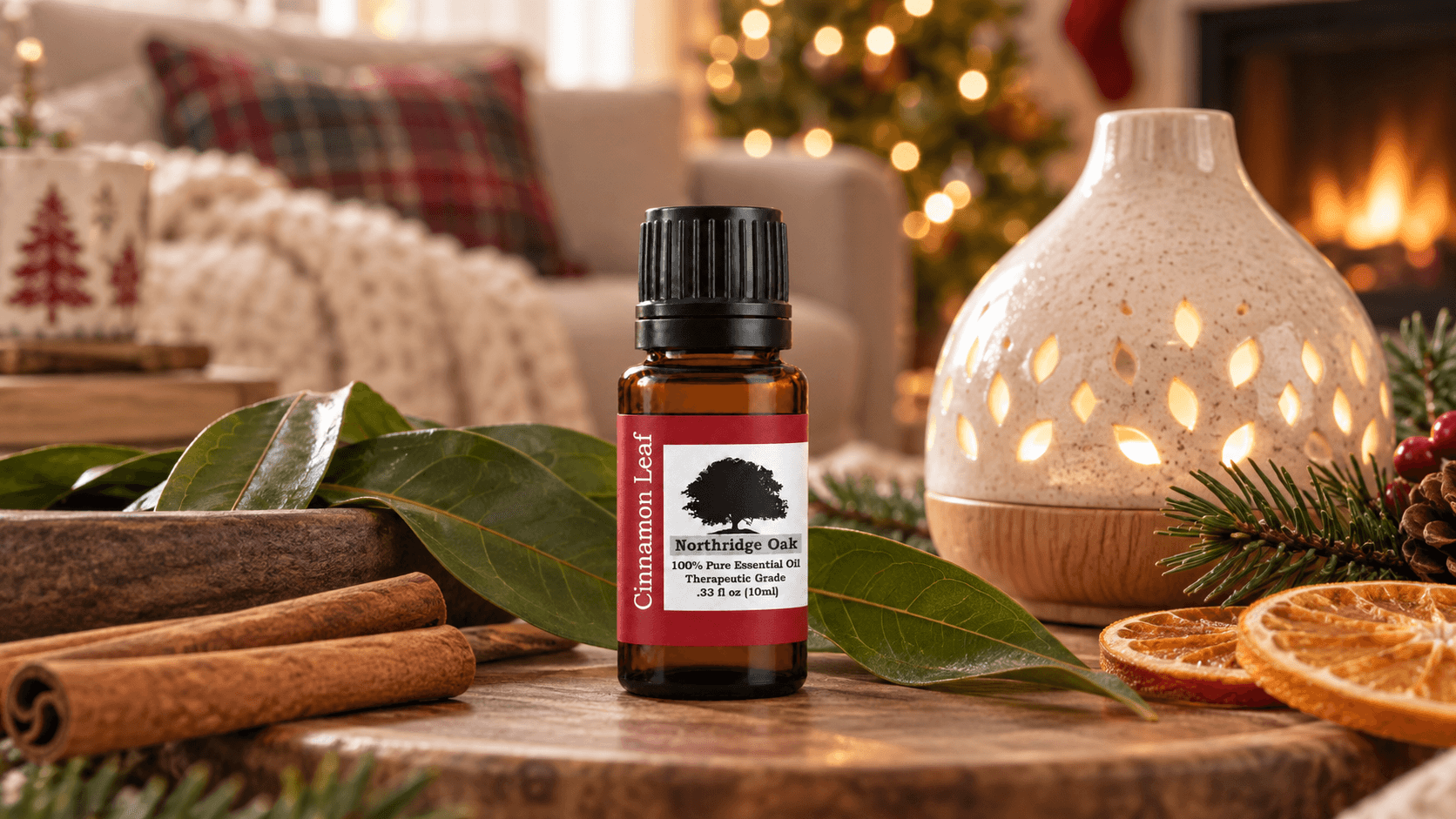
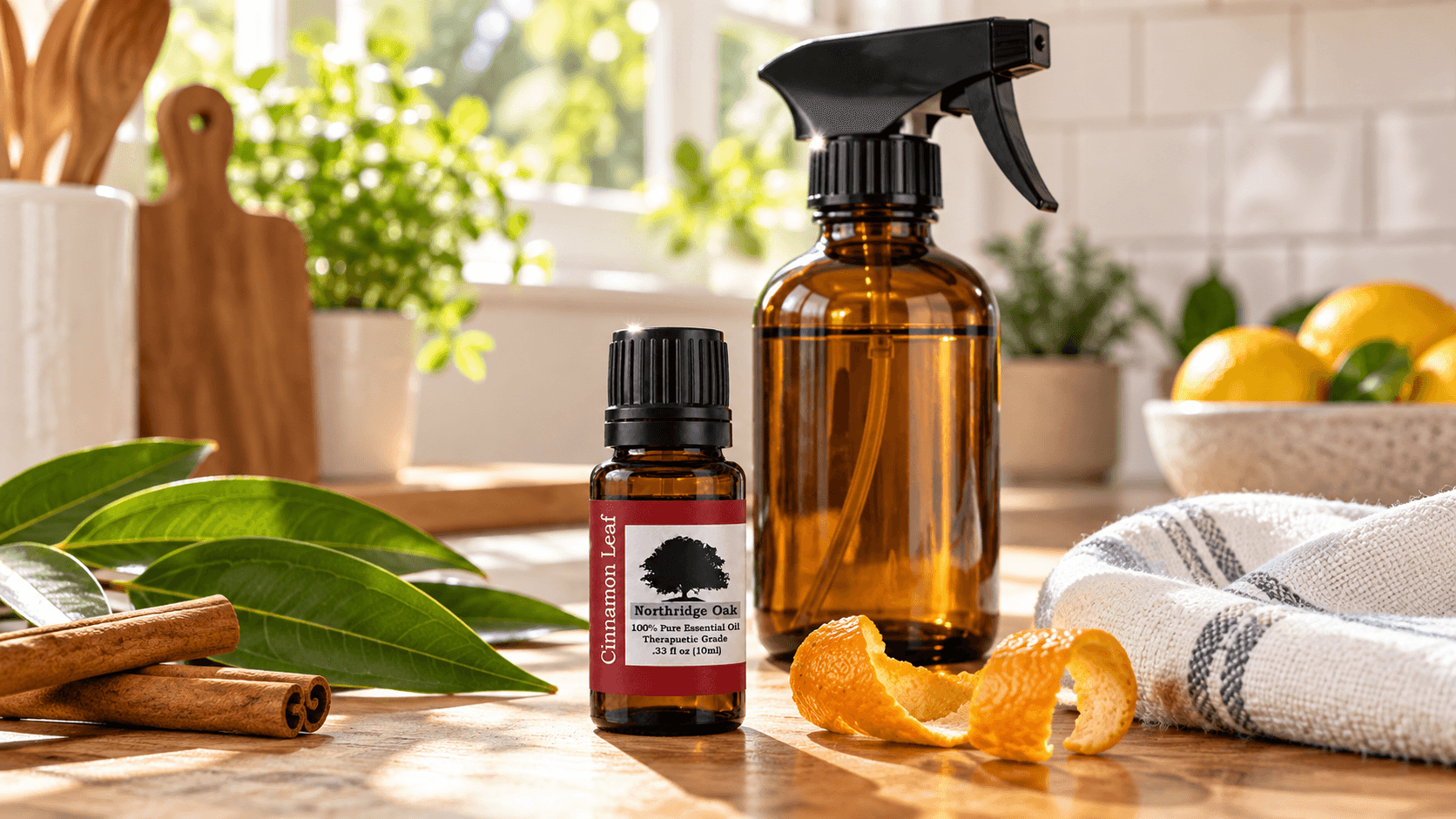
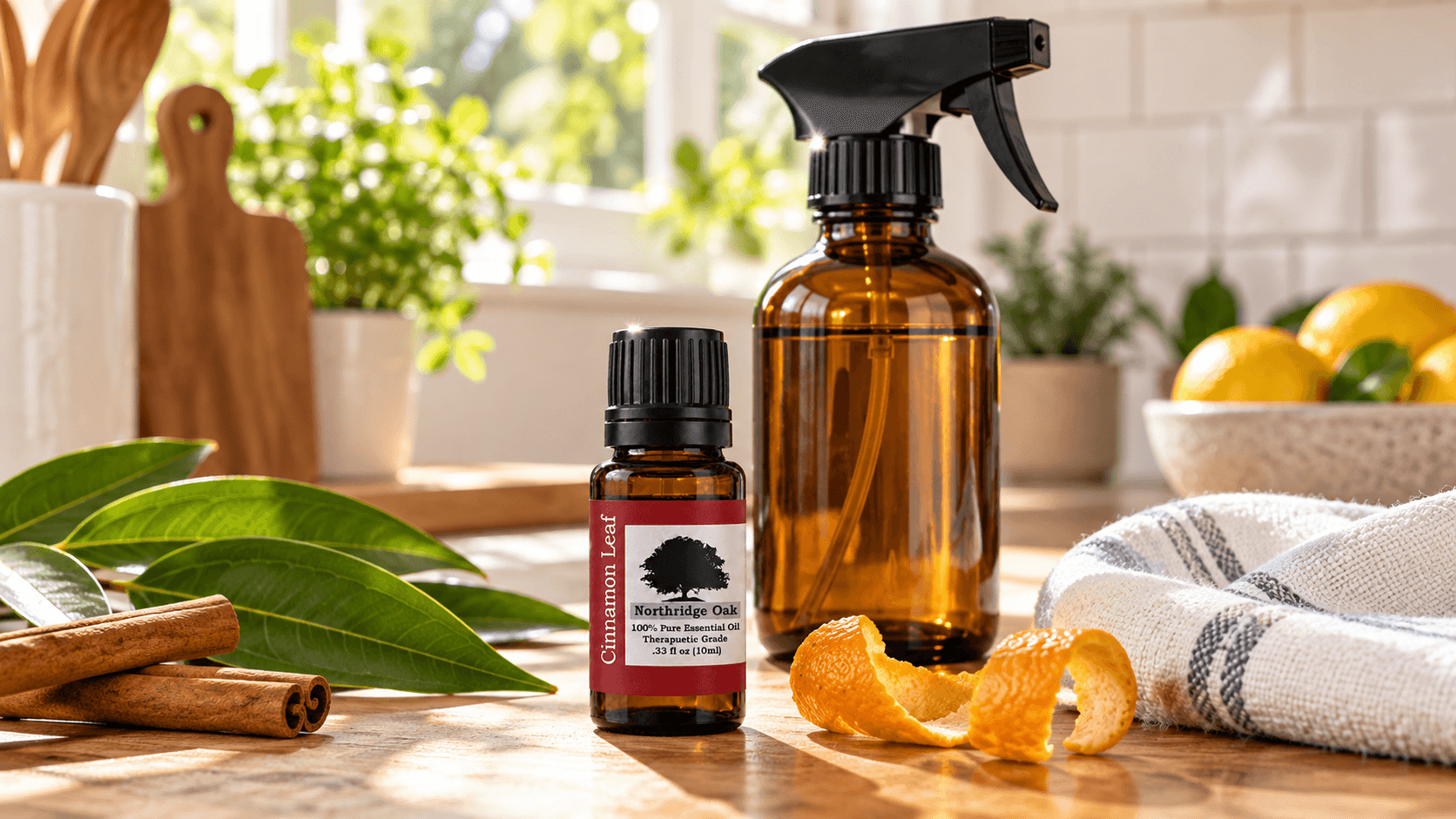
Cinnamon Leaf essential oil can give a freshly cleaned home something citrus alone cannot: warmth, depth and a sense that the room has been thoughtfully finished. Its aroma is dry, green and clove-like rather than sugary, so one drop can turn a bright Lemon blend into a welcoming entryway scent, give an evergreen mudroom blend more character or make a living room feel settled at the end of the day.
100% Pure Cinnamon Leaf Essential Oil – 10 mL

$14.67
Cinnamon Leaf Essential Oil Cinnamon Leaf Essential Oil brings warmth to a room without smelling like a bottle of sugary cinnamon fragrance. Its aroma is dry, green, woody and clove-like, with a glowing spice that settles beautifully beside citrus, evergreens,… read more
The most satisfying approach is simple: let reliable cleaning methods do the cleaning, then use Cinnamon Leaf to create the atmosphere. That distinction keeps recipes accurate while allowing the oil’s genuine strength to shine. You are not asking a pleasant fragrance to replace a disinfectant. You are using a powerful botanical aroma to make clean, organized spaces feel warmer and more inviting.
Why Cinnamon Leaf Works So Well in Home Aromas
Cinnamon Leaf is steam distilled from the leaves of Cinnamomum verum. It commonly contains abundant eugenol, the aromatic compound associated with much of Clove essential oil’s familiar warmth. That chemistry helps explain why Cinnamon Leaf smells persistent and expressive even when it represents only one drop in a larger formula.
The aroma begins with dry leafy spice, develops into a warm clove-like heart and settles with a woody finish. Lemon and Grapefruit make it feel bright. Blood Orange brings roundness. Cedarwood gives it a polished foundation. Balsam Fir shifts it toward a clean forest atmosphere. Frankincense softens the edges for living rooms and evening spaces.
Because the oil connects brightness with warmth, it is especially useful after cleaning. Citrus can make a room smell crisp, but Cinnamon Leaf prevents the finished space from feeling stark. The result is a home that smells both fresh and lived in.
What the Research Says—and What It Means at Home
Researchers have tested GC/MS-characterized Cinnamomum verum leaf essential oil against bacteria, fungi and established biofilms in controlled laboratory systems. Those studies have reported measurable activity and visible cellular changes under electron microscopy, with eugenol identified as a prominent compound in the tested oils. The complete methods and findings are explained in the Cinnamon Leaf research and eugenol guide.
Those findings make Cinnamon Leaf scientifically interesting and help explain why formulators continue to study it. They do not establish that a homemade spray, diffuser or bowl of baking soda disinfects a home. Laboratory concentrations, contact times and test conditions are very different from everyday aroma use.
At home, use products labeled for cleaning or sanitation when verified performance is the goal. Enjoy Cinnamon Leaf for what you can directly experience: a concentrated botanical aroma that makes a completed cleaning routine feel satisfying and memorable.
Begin With a Simple Clean-Then-Scent Routine
Choose one room and complete its normal cleaning routine first. Wipe surfaces with a product appropriate for the material, remove clutter, empty waste bins and provide fresh air. Once the work is finished, select a Cinnamon Leaf aroma that suits the room.
In a kitchen, Lemon or Grapefruit feels naturally bright. In an entryway, Blood Orange and Cedarwood create a welcoming first impression. In a mudroom, Balsam Fir adds fresh forest character. In a living room, Frankincense gives the spice a smooth evening finish. This room-by-room approach keeps the home interesting while allowing Cinnamon Leaf to become a recognizable signature.
Six Cinnamon Leaf Diffuser Blends for a Fresh Home
Fill a water diffuser according to its manufacturer’s directions, add the listed oils and begin with a 20- to 30-minute session in a comfortably ventilated room. These recipes contain five or six total drops. Use fewer drops in a compact room while preserving the same general proportions.
1. Bright Kitchen
- 1 drop Cinnamon Leaf essential oil
- 3 drops Lemon essential oil
- 2 drops Grapefruit essential oil
Lemon creates the clean, sparkling opening, Grapefruit keeps it cheerful and Cinnamon Leaf adds a warm botanical center. Diffuse after counters are cleared and dishes are put away. The scent makes the room feel finished without imitating a conventional cleaning fragrance.
2. Welcoming Entryway
- 1 drop Cinnamon Leaf essential oil
- 3 drops Blood Orange essential oil
- 2 drops Cedarwood essential oil
Blood Orange offers a friendly first impression, while Cedarwood gives the aroma a dry, polished base. Start the diffuser 15 to 20 minutes before guests arrive, then turn it off and let the aroma settle naturally through the space.
3. Mudroom Forest
- 1 drop Cinnamon Leaf essential oil
- 3 drops Balsam Fir essential oil
- 2 drops Lemon essential oil
Balsam Fir leads with fresh evergreen character, Lemon keeps the blend open and Cinnamon Leaf provides warmth. Use it after shoes, coats and outdoor gear have been organized so the aroma becomes the final step in resetting the space.
4. Fresh Laundry-Day Air
- 1 drop Cinnamon Leaf essential oil
- 3 drops Grapefruit essential oil
- 2 drops Lemon essential oil
This bright formula works well in a nearby hallway or laundry area while folding clean clothes. Keep essential oils out of the washer, dryer and fabric itself; the diffuser provides the aroma without introducing concentrated oil to textiles or appliances.
5. Settled Living Room
- 1 drop Cinnamon Leaf essential oil
- 3 drops Blood Orange essential oil
- 2 drops Frankincense essential oil
Blood Orange brightens the room, Cinnamon Leaf creates its warm heart and Frankincense gives the blend a smooth resinous finish. This is an inviting choice after an evening reset when cushions are straightened, surfaces are clear and the room is ready to enjoy.
6. Clean Woods
- 1 drop Cinnamon Leaf essential oil
- 2 drops Lemon essential oil
- 2 drops Cedarwood essential oil
- 1 drop Frankincense essential oil
This blend begins with clear citrus and gradually settles into dry wood and resin. Try it in a home office, den or shared living space when you want freshness with more depth than a citrus-only formula.
Make a Properly Formulated Cinnamon Leaf Room Spray
Essential oils do not dissolve in plain water. A “just add oil and shake” spray leaves concentrated droplets floating in the bottle, which can land unevenly on surfaces. For this small home-aroma spray, high-proof grain alcohol helps disperse the essential oils before distilled water is added.
Warm Citrus Home-Aroma Spray
- 1 ounce—or 2 tablespoons—190-proof grain alcohol
- 3 ounces distilled water
- 8 drops Cinnamon Leaf essential oil
- 8 drops Blood Orange essential oil
- 4 drops Cedarwood essential oil
- One clean 4-ounce glass spray bottle
Add the 20 essential-oil drops to the alcohol first. Cap the bottle and swirl gently, then allow the mixture to stand for several hours so the aromatic ingredients disperse through the alcohol. Add the distilled water, recap and shake before each use. Label the bottle with every ingredient and the preparation date.
Mist lightly into open room air, away from faces, food, flames, heat sources, pets and children. Do not spray onto floors, furniture, painted surfaces, stone, wood, fabric or other delicate materials. This small DIY mixture has not undergone preservative or stability testing, so it should not be described as shelf-stable. Prepare it with clean equipment, watch for any change in odor, clarity or appearance, and discard it if the mixture changes.
If 190-proof grain alcohol is unavailable, choose a commercially formulated room-spray base or a manufacturer-recommended solubilizer and follow that supplier’s exact usage rate. Lower-proof spirits and witch hazel are not equivalent substitutes for this formula.
Make a Single-Use Soft Scrub With Cinnamon Leaf Aroma
This fresh batch is intended to add aroma to a basic scrubbing routine rather than to make a sanitation claim.
Fresh-Spice Sink Scrub
- 1/2 cup baking soda
- 1 tablespoon unscented liquid castile soap
- 1 drop Cinnamon Leaf essential oil
- 4 drops Lemon essential oil
- 1 to 2 teaspoons water, added only as needed
Combine the baking soda and castile soap in a small bowl. Add the essential oils and stir thoroughly until the aroma is evenly distributed. Add water one teaspoon at a time until the mixture reaches a soft paste. Apply a small amount with a damp non-scratch cloth, scrub gently, rinse completely and dry the surface.
Make only what you will use immediately and discard any remainder. Spot-test first. Baking soda can be too abrasive for delicate finishes, and acidic or alkaline cleaners may not suit natural stone, sealed wood, acrylic, specialty coatings or manufacturer-protected surfaces. Follow the care instructions for the material in front of you.
Three Water-Free Ways to Scent Small Spaces
Unfinished-Wood Aroma Block
Place 1 drop Cinnamon Leaf and 2 drops Cedarwood on an unfinished wooden aroma block designed for essential oils. Allow the oils to absorb completely before positioning the block on a protective dish. Keep it away from fabric, finished wood, painted surfaces, children and pets. Refresh with one additional drop only when the aroma becomes faint.
Baking-Soda Aroma Jar
Add 1/2 cup baking soda to a small jar. In a separate glass dish, combine 1 drop Cinnamon Leaf, 3 drops Lemon and 2 drops Grapefruit. Stir the oil mixture thoroughly into the baking soda, place a breathable lid over the jar and set it upright in a secure adult-only location. The jar is for passive aroma, not for sprinkling onto carpet, upholstery or pet areas. Replace the contents when the scent fades or the baking soda becomes damp.
Under-the-Liner Aroma Disc
Add 1 drop Cinnamon Leaf and 2 drops Lemon to an absorbent aroma disc or cotton round. Let it absorb, then place it beneath—not inside—the clean liner of a dry waste bin where it cannot touch the bin contents or be reached by children or animals. Replace the disc when the aroma fades. Protect the bin’s surface with a small glass or metal dish if the material could be affected by essential oil.
How to Match the Aroma to Each Room
A home feels more intentional when each room has its own character while sharing one recognizable note. Cinnamon Leaf can provide that continuity:
- Kitchen: Lemon and Grapefruit keep the aroma bright and active.
- Entryway: Blood Orange and Cedarwood make the first impression friendly and grounded.
- Mudroom: Balsam Fir and Lemon suggest crisp outdoor air.
- Living room: Blood Orange and Frankincense create warmth for conversation and evening routines.
- Office or den: Lemon, Cedarwood and Frankincense feel clear, dry and polished.
Repeat each blend several times before changing it. Familiarity helps a room develop an identity and makes it easier to tell whether the next version needs more citrus, more wood or simply more time for the Cinnamon Leaf heart to unfold.
Why Choose Northridge Oak Cinnamon Leaf?
Northridge Oak Cinnamon Leaf Essential Oil is 100% pure, undiluted leaf oil, bottled in small batches and third-party GC/MS tested. It delivers abundant aromatic character at one drop, making it an economical way to bring warmth and continuity to diffuser blends, passive aroma projects and thoughtfully formulated home products.
Its greatest home-fragrance advantage is balance. Cinnamon Leaf can make citrus feel warmer, evergreens feel more welcoming and woods feel more dimensional. Instead of giving every room the same sweet cinnamon fragrance, it lets you build a collection of fresh, botanical aromas connected by one memorable note.
Try Northridge Oak Cinnamon Leaf Essential Oil and begin with the room you enjoy resetting most.
Learning About Essential Oils: Separate Performance From Aroma
Choose one room and divide the experience into two clear steps. First, clean with products and methods appropriate for the surfaces. Second, use a diffuser or passive aroma method to shape how the completed room feels. Record the recipe, total drops, room size, session time and first impression.
This simple separation makes the result easier to evaluate. The cleaning method can be judged by visible performance and label directions. The aromatic blend can be judged by brightness, warmth, balance and staying power. Both steps contribute to a satisfying home, but they do different jobs.
Continue Learning About Cinnamon Leaf Essential Oil
Make this article part of a complete Cinnamon Leaf routine:
- Cinnamon Leaf Essential Oil Benefits, Uses & Safety Guide
- What Blends Well With Cinnamon Leaf Essential Oil?
- Cinnamon Leaf Essential Oil Diffuser Blends: 20 Recipes
- Cinnamon Leaf Essential Oil Research: Eugenol & Chemistry
- Cinnamon Leaf Essential Oil Safety: Dilution, Kids & Pets
Thoughtful Home Use
Use Cinnamon Leaf lightly and provide fresh airflow. Keep concentrated oils, prepared sprays, diffuser water and passive aroma projects beyond the reach of children and pets. Allow people and animals to leave a scented space, and seek individualized guidance for pregnancy, nursing, children, pets, medications or significant health considerations.
Protect eyes, skin and surfaces while mixing. Keep the alcohol-based room spray away from flames and heat. Label every homemade preparation, use clean equipment and follow the care instructions for household materials. Read the Cinnamon Leaf safety guide, the broader essential-oil safety guide and the beginner’s guide to essential oils.
These statements have not been evaluated by the Food and Drug Administration. Northridge Oak products are not intended to diagnose, treat, cure or prevent disease.