Table of Contents
- German vs Roman Chamomile at a Glance
- What Is German Chamomile Essential Oil?
- What Is Roman Chamomile Essential Oil?
- German Chamomile vs Roman Chamomile: Which Is Better?
- How to Use German Chamomile Essential Oil
- What Does the Research Actually Tell Us?
- How to Choose a High-Quality Chamomile Essential Oil
- German vs Roman Chamomile FAQ
- Choosing the Chamomile That Fits Your Routine
- Research and Botanical Sources
- FAQs
German vs Roman Chamomile Essential Oil: Key Differences
German and Roman chamomile may share a familiar name, but they are not the same plant—and their essential oils are not interchangeable in every blend. The difference between German vs Roman chamomile begins with their botanical species and continues through their color, chemical composition, aroma and the ways people commonly use them.
German Chamomile Essential Oil is usually the darker, richer oil. It is known for its blue to blue-green color and a concentrated profile that includes chamazulene and bisabolol-related compounds. Roman Chamomile Essential Oil is generally lighter in color, sweeter and more apple-like, with an ester-rich composition.
Neither oil is automatically “better.” The best choice depends on whether you want an oil for a topical self-care blend, a diffuser recipe, a personal inhaler or a particular aromatic profile.
If you are new to essential oils, begin with our Essential Oils for Beginners Guide for a practical introduction to diffusing, topical use and choosing high-quality oils.
German vs Roman Chamomile at a Glance
| Feature | German Chamomile | Roman Chamomile |
|---|---|---|
| Botanical name | Matricaria chamomilla; Matricaria recutita is an older synonym still found on some labels | Chamaemelum nobile; sometimes listed under the older name Anthemis nobilis |
| Plant | Taller annual with white petals and yellow centers | Low-growing perennial with white petals and yellow centers |
| Typical oil color | Deep blue to blue-green | Pale yellow to pale blue, depending on the batch |
| Aroma | Strong, herbaceous, warm and sweet with fruity undertones | Soft, sweet, fruity-herbal and often described as apple-like |
| Notable chemical families | Bisabolol-related compounds, chamazulene and other sesquiterpenes | Esters, especially several types of angelates |
| Often selected for | Diluted skin-care oils, massage blends and deeper herbal aroma blends | Diffuser blends, personal inhalers and soft, sweet aromatic routines |
| Northridge Oak availability | German Chamomile Essential Oil | Not currently offered |
What Is German Chamomile Essential Oil?
German chamomile is botanically known as Matricaria chamomilla. You may also see it labeled Matricaria recutita, a botanical synonym that is still widely used in books, research papers and essential-oil catalogs.
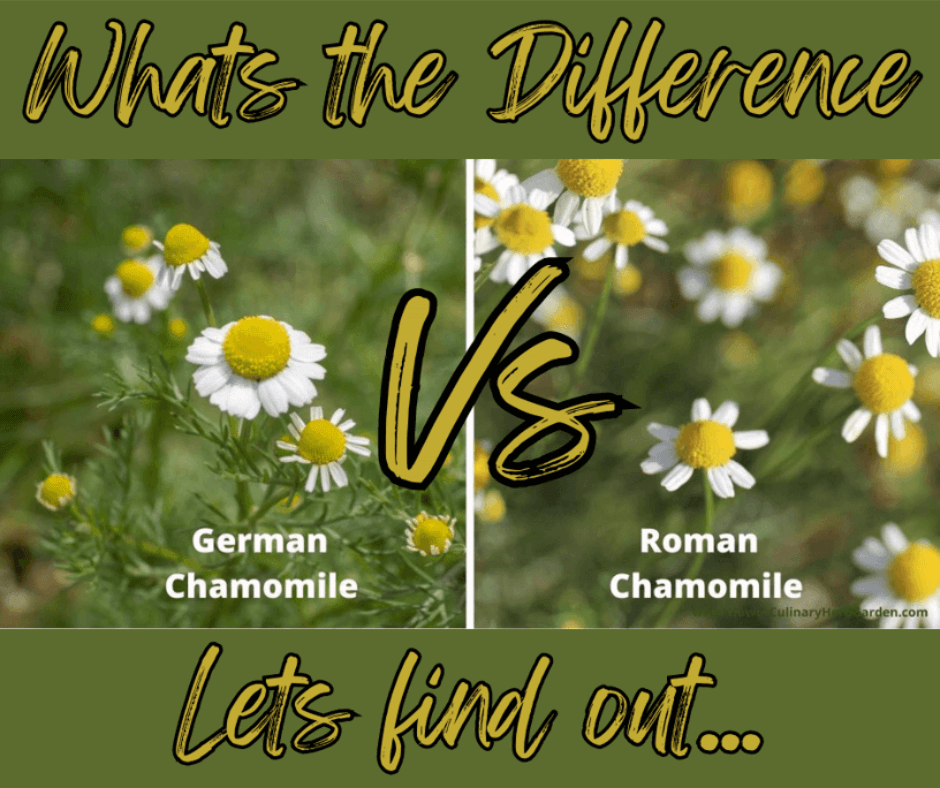
Both German and Roman chamomile plants produce daisy-like flowers with white petals and yellow centers. German chamomile does not have blue flowers. The famous blue color develops in the essential oil during distillation. Chamazulene, one of the compounds associated with the blue appearance, is formed from naturally occurring plant precursors as the flowers are distilled.
The exact composition and color can vary with the plant variety, growing conditions, harvest and distillation. Research examining German chamomile oil has identified compounds such as chamazulene, α-bisabolol and several bisabolol oxides, but their percentages are not identical in every genuine batch.
What Does German Chamomile Smell Like?
German Chamomile Essential Oil has a concentrated herbaceous aroma with warm, sweet and slightly fruity notes. It is deeper and more assertive than many people expect from the delicate flowers.
Because the aroma is powerful, one or two drops can noticeably shape a diffuser or topical blend. Lavender, Frankincense, Geranium and citrus oils can soften its intensity without covering its character.
Why Do People Choose German Chamomile?
German chamomile is frequently chosen for thoughtfully diluted skin-care, body-oil and massage blends because of its distinctive composition. This does not mean the oil should be used undiluted or that it treats a skin condition. It means its naturally occurring constituents make it an interesting choice for cosmetic and self-care formulations when it is used appropriately.
Northridge Oak offers 100% pure German Chamomile Essential Oil. It is an undiluted single oil, not a fragrance oil or pre-diluted blend. As with our essential-oil line, purity is supported through third-party GC/MS testing. If the oil is temporarily unavailable, the product page allows you to join the restock notification list.
What Is Roman Chamomile Essential Oil?
Roman chamomile is botanically known as Chamaemelum nobile. Although its flowers look similar to German chamomile, it is a different species with a different growth habit and essential-oil composition.
Roman Chamomile Essential Oil is particularly known for an ester-rich profile. A 2022 analysis of Roman chamomile oil identified several angelate esters among its major constituents. These compounds help distinguish Roman chamomile chemically from the bisabolol- and chamazulene-associated profile commonly discussed with German chamomile.
What Does Roman Chamomile Smell Like?
Roman Chamomile Essential Oil usually has a softer, sweeter and more apple-like aroma than German chamomile. Its gentle fruity-herbal character is one reason it is popular in personal inhalers and diffuser blends designed for quiet evening routines.
“Gentle-smelling,” however, does not mean that the undiluted essential oil is automatically gentle on every person’s skin. Roman chamomile is still a concentrated essential oil and should be diluted for topical use.
German Chamomile vs Roman Chamomile: Which Is Better?
The better oil is the one that matches how you plan to use it. Here is a practical way to decide.
Which Chamomile Is Better for Skin-Care Blends?
German Chamomile is often the first choice for a topical self-care blend because of its distinctive bisabolol-related and chamazulene-containing composition. It also contributes its natural blue color, so even a small amount may tint a facial or body oil.
Use it at a measured dilution in a suitable carrier oil rather than applying it directly. You can explore Northridge Oak carrier oils and consult the dilution chart in our Complete Essential Oil Safety Guide.
Roman Chamomile can also be used in properly formulated topical products, particularly when its softer aroma is preferred. Neither oil is guaranteed to suit every skin type, so patch testing remains important.
Which Chamomile Is Better for Diffusing?
Choose according to the aromatic experience you want:
Choose German Chamomile for a deeper, warm and herbaceous blend.
Choose Roman Chamomile for a lighter, sweeter and more apple-like blend.
Use either one sparingly at first. Chamomile can become the dominant note quickly.
For German Chamomile, try this simple evening diffuser blend:
Quiet Evening Diffuser Blend
1 drop German Chamomile Essential Oil
3 drops Lavender Essential Oil
2 drops Frankincense Essential Oil
Add the oils to your diffuser according to its water capacity and manufacturer’s directions. Begin with fewer drops in a small room or around people who are sensitive to strong aromas. If you need a diffuser, see the Northridge Oak Aromatherapy Essential Oil Diffuser.
Chamomile also pairs naturally with Lavender. Our guide to the top uses for Lavender Essential Oil includes additional ways to use Lavender in diffuser blends, linen care and everyday routines.
Which Chamomile Is Better for an Evening Routine?
Either oil can become part of a relaxing evening ritual. Roman chamomile offers a softer apple-like aroma, while German chamomile creates a richer herbal atmosphere. The choice is personal, and enjoying the aroma is only one part of the experience. Essential oils may also be used topically when correctly diluted and formulated.
Consider diffusing for a limited period while reading, journaling or preparing for bed, then turning the diffuser off rather than running it continuously through the night. For more practical ideas, visit our guide to using essential oils for self-care.
How to Use German Chamomile Essential Oil
German Chamomile is concentrated, so a small amount is usually enough. These ideas are intended for general adult use.
1. Make a Simple 1% Body-Oil Blend
Combine:
10 mL carrier oil
2 drops German Chamomile Essential Oil
Close the bottle and roll it gently between your hands. Apply a small amount to intact skin as part of a body-care or massage routine. Because drop sizes vary, drop-based recipes are approximate. Patch test before broader use and avoid the eyes and other sensitive areas.
2. Add It to a Lavender Blend
German Chamomile’s strong herbaceous character becomes softer when blended with Lavender. For a 10 mL adult body oil, try:
1 drop German Chamomile Essential Oil
1 drop Lavender Essential Oil
10 mL carrier oil
This keeps the total dilution near 1% while allowing both oils to contribute to the blend.
3. Diffuse It With Warm or Floral Oils
German Chamomile blends especially well with:
Lavender
Frankincense
Geranium
Bergamot FCF
Blood Orange
Patchouli
Cedarwood
Start with one drop of German Chamomile and build the rest of the blend around it. Browse our collection of pure single essential oils to find complementary oils.
What Does the Research Actually Tell Us?
Chamomile research can be confusing because the word “chamomile” may refer to German chamomile, Roman chamomile, chamomile tea, a water-based extract, an alcohol extract, an isolated constituent or an essential oil. Results from one preparation cannot automatically be applied to another.
Laboratory and composition studies confirm that German and Roman chamomile oils contain meaningfully different groups of naturally occurring compounds. German chamomile research frequently focuses on chamazulene, α-bisabolol and bisabolol oxides. Roman chamomile research shows an oil rich in various esters, including angelates.
These chemical differences help explain why formulators and aromatherapy users choose the oils for different purposes. They do not prove that either essential oil diagnoses, treats or cures a medical condition. Responsible use means appreciating what the chemistry may contribute while staying honest about the limits of the evidence.
How to Choose a High-Quality Chamomile Essential Oil
Chamomile oil can be expensive because a large amount of plant material is required to produce a relatively small amount of essential oil. Before buying, check for these details:
The Complete Botanical Name
The label should tell you whether the oil is German chamomile—Matricaria chamomilla or Matricaria recutita—or Roman chamomile—Chamaemelum nobile. A bottle labeled only “chamomile” leaves out information you need.
The Extraction Method and Plant Part
Look for essential oil distilled from the flowers or flowering tops. Chamomile-infused carrier oil, chamomile extract, fragrance oil and pure chamomile essential oil are different products.
Purity Testing
Choose a seller that verifies botanical identity and purity through GC/MS testing. Testing helps evaluate whether the oil’s chemical profile is consistent with the labeled botanical and whether unexpected substances are present.
Appropriate Packaging and Storage
Pure essential oils should be packaged in a protective glass bottle and stored tightly closed, away from direct sunlight and excessive heat. Good storage helps slow oxidation and preserve the oil’s aromatic character.
German vs Roman Chamomile FAQ
Is German Chamomile the Same as Blue Chamomile?
German Chamomile Essential Oil is often called blue chamomile because the distilled oil may be deep blue or blue-green. The plant’s flowers are white and yellow, not blue. Always check the botanical name because common names can vary among sellers.
What Is the Main Difference Between German and Roman Chamomile?
They come from different botanical species and have different essential-oil compositions. German chamomile is associated with chamazulene and bisabolol-related compounds, while Roman chamomile is generally richer in ester compounds such as angelates. Their aromas are also different: German is deeper and more herbaceous, while Roman is softer and more apple-like.
Is German or Roman Chamomile Better?
German Chamomile is commonly chosen for properly diluted topical and skin-care blends. Roman Chamomile is commonly chosen when someone wants a softer, sweeter aroma for a diffuser or personal inhaler. Either can be used in aromatic or diluted topical applications when appropriate safety guidance is followed.
Can German and Roman Chamomile Be Substituted for Each Other?
They can sometimes fill the same aromatic role, but they will not make an identical blend. The aroma, color and chemical profile will change. In a carefully formulated topical product, do not substitute one oil for another without reviewing the safety and dilution requirements of the new oil.
Does Chamomile Essential Oil Need to Be Diluted?
Yes. Dilute German or Roman Chamomile Essential Oil in a suitable carrier before applying it to the skin. Do not assume an oil is safe to use undiluted simply because it is described as soothing or gentle.
Can Everyone Use Chamomile Essential Oil?
Chamomile belongs to the Asteraceae plant family, so people with known sensitivities to plants in this family should be cautious. Patch test diluted topical products. Children, pregnant or breastfeeding individuals, people taking medication, and those managing a health condition should seek qualified guidance before use. Keep essential oils away from eyes and out of reach of children and pets. Do not ingest essential oils.
Choosing the Chamomile That Fits Your Routine
The comparison between German vs Roman chamomile essential oil is not simply a choice between two versions of the same oil. They come from different plants, have different dominant constituents and create noticeably different aromatic experiences.
Choose German Chamomile when you want a rich, herbaceous blue oil for a properly diluted topical blend, massage oil or deeper diffuser recipe. Choose Roman Chamomile when you prefer a softer, sweeter and more apple-like aroma. Whichever you choose, confirm the botanical name, purchase from a purity-focused supplier and follow measured safety and dilution guidance.
Explore Northridge Oak German Chamomile Essential Oil or join the product’s restock notification list. Northridge Oak essential oils are offered in small batches, without fillers or synthetic fragrance, to help you build thoughtful routines with oils you can trust.
Research and Botanical Sources
European Medicines Agency assessment report for Matricaria recutita flower and essential oil
European Medicines Agency: Roman chamomile botanical assessment
Ghasemi et al.: Chamazulene and α-bisabolol in German chamomile essential oil
Baranauskienė et al.: Analysis of Roman chamomile essential-oil composition
Safety note: Essential oils are highly concentrated. Dilute appropriately before topical use, patch test first, avoid the eyes and sensitive areas, and keep oils away from children and pets. Consult a qualified healthcare professional before use during pregnancy, while breastfeeding, when taking medications or when managing a medical condition.
FDA disclaimer: These statements have not been evaluated by the Food and Drug Administration. This information is for educational purposes only and is not intended to diagnose, treat, cure or prevent any disease.