Table of Contents
- Why Should You Clean Your Essential Oil Diffuser?
- How Often Should You Clean an Essential Oil Diffuser?
- How to Clean an Essential Oil Diffuser After Regular Use
- How to Deep Clean an Essential Oil Diffuser
- Can You Clean an Essential Oil Diffuser With Vinegar?
- Can You Use Rubbing Alcohol to Clean an Essential Oil Diffuser?
- What Should You NOT Use to Clean an Essential Oil Diffuser?
- Don't Forget to Clean the Diffuser Cover
- What If Your Essential Oil Diffuser Still Isn't Working After Cleaning?
- A Clean Diffuser Makes Blending More Enjoyable
- FAQs
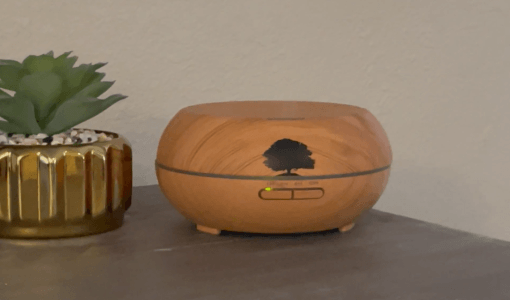 If you use an essential oil diffuser regularly, a little routine cleaning can help keep it working properly and prevent yesterday's essential oils from interfering with today's blend.
Essential oils can leave small amounts of residue inside the water reservoir and around the ultrasonic plate. Over time, that buildup may affect how well your diffuser produces mist or leave lingering aromas behind.
Fortunately, learning how to clean an essential oil diffuser is simple, and routine cleaning usually takes only a few minutes.
In this guide, we'll walk through basic diffuser cleaning, how to deep clean an essential oil diffuser, when vinegar may be appropriate, how often your diffuser should be cleaned, and what to check if your diffuser still isn't misting after cleaning.
Before You Start: These Instructions Are for Ultrasonic Diffusers
This guide primarily covers ultrasonic essential oil diffusers—the common type of diffuser that uses a water reservoir and an ultrasonic plate to create a fine mist.
Nebulizing, waterless, evaporative, and heat diffusers work differently and may require different cleaning methods. If your diffuser doesn't use a water reservoir, don't automatically follow the instructions below. Check the cleaning directions provided by your diffuser's manufacturer.
Why Should You Clean Your Essential Oil Diffuser?
When you add essential oils to an ultrasonic diffuser, not every trace of oil disappears when the water is gone.
Small amounts can remain on the sides of the reservoir or collect around the ultrasonic plate—the small component that helps turn the water and essential oils into a fine mist.
Regular cleaning can help:
- Remove essential oil residue
- Prevent old aromas from mixing with new diffuser blends
- Reduce buildup inside the reservoir
- Keep the ultrasonic plate clean
- Maintain consistent mist output
- Keep your diffuser looking and smelling fresh
This is especially useful when switching between very different essential oils.
For example, if you diffuse Peppermint in the morning and Lavender before bed, you probably don't want traces of Peppermint competing with your relaxing evening blend.
How Often Should You Clean an Essential Oil Diffuser?
You don't necessarily need to deep clean your diffuser every time you use it.
For everyday use, give the reservoir a quick wipe regularly and consider performing a more thorough cleaning about once a week if you diffuse frequently.
You may want to clean your diffuser sooner if:
- You switch between very different essential oils
- You notice visible oil residue
- The diffuser develops an unusual or stale smell
- Mist output seems weaker than normal
- You see buildup around the ultrasonic plate
- Water has been sitting in the reservoir for an extended period
If you only use your diffuser occasionally, empty, clean, and dry it before storing it.
Always check the cleaning instructions provided by your diffuser's manufacturer. Diffuser designs vary, and the manufacturer's instructions should take priority over general cleaning advice.
How to Clean an Essential Oil Diffuser After Regular Use
For basic cleaning, you only need a few minutes.
Step 1: Turn Off and Unplug the Diffuser
Turn the diffuser off and disconnect it from power before cleaning. Never clean the diffuser while it is plugged in.
Step 2: Empty Any Remaining Water
Carefully pour out any water remaining in the reservoir. Look for drainage markings or instructions on your particular diffuser. Many ultrasonic diffusers have an air outlet or other components that shouldn't have water poured into them.
Step 3: Wipe the Water Reservoir
Use a soft, clean cloth or paper towel to wipe the inside of the reservoir. This removes water droplets and light essential oil residue. A cotton swab can be helpful for corners and other small areas that are difficult to reach with a cloth.
Step 4: Gently Clean the Ultrasonic Plate
Most ultrasonic diffusers have a small circular plate or disc at the bottom of the water reservoir. This is an important part of the diffuser because it helps create the fine mist released into the air. Essential oil and mineral residue can gradually accumulate around it. Use a cotton swab to gently wipe the area according to the manufacturer's instructions. Avoid scratching, scraping, or applying heavy pressure to the ultrasonic plate.
Step 5: Allow the Diffuser to Dry
Leave the diffuser open and allow the reservoir to air dry before replacing the cover or storing it. That's it. For routine maintenance, this simple cleaning may be all your diffuser needs.
A quick cleaning is also helpful when switching between very different aromas—so traces of the previous oil don't interfere with your next diffuser blend.
How to Deep Clean an Essential Oil Diffuser
If you've been using your diffuser frequently or notice stubborn essential oil residue, it may be time for a deeper cleaning.
Before beginning, check your diffuser manufacturer's instructions. Some manufacturers recommend specific cleaning methods or advise against certain cleaning products.
What You'll Need
- Clean water
- A soft cloth or paper towel
- Cotton swabs
- White vinegar, if permitted by the diffuser manufacturer
Step 1: Unplug and Empty the Diffuser
Make sure the diffuser is disconnected from power and pour out any remaining water.
Step 2: Wipe Away Loose Residue
Use a clean, soft cloth to wipe the reservoir and remove oil residue that comes away easily.
Step 3: Remove Stubborn or Dried Essential Oil Residue
If essential oil residue has dried onto the reservoir or accumulated around the ultrasonic plate, start gently. Never use a sharp object or abrasive scrubber to scrape it away. If your diffuser manufacturer allows the use of white vinegar, mix equal parts white vinegar and water—for example, 1 teaspoon of white vinegar with 1 teaspoon of water. Lightly dampen a cotton swab or the corner of a soft cloth with the mixture and gently wipe the affected area. Pay particular attention to buildup around the ultrasonic plate, but avoid scrubbing or applying heavy pressure. The goal is to loosen and remove the residue without scratching or damaging the diffuser.
Step 4: Wipe With Clean Water
Use another cloth or cotton swab lightly dampened with clean water to remove remaining cleaning residue. Never immerse the electrical diffuser base in water.
Step 5: Dry Completely
Wipe the reservoir dry and allow the diffuser to air dry completely before using it again.
Can You Clean an Essential Oil Diffuser With Vinegar?
Yes, white vinegar can be used to clean many ultrasonic essential oil diffusers, particularly when you're trying to remove stubborn oil residue or mineral buildup. However, always check the cleaning instructions for your particular diffuser first, since recommendations vary by manufacturer.
If vinegar is permitted, follow the deep-cleaning instructions above using a 1:1 mixture of white vinegar and water. You only need enough to lightly dampen a cotton swab or soft cloth—there's no need to fill the diffuser reservoir with vinegar.
Never assume that stronger is better. Avoid using undiluted vinegar unless your diffuser manufacturer specifically recommends it.
Can You Use Rubbing Alcohol to Clean an Essential Oil Diffuser?
You may see rubbing alcohol recommended as a diffuser cleaner, but whether it's appropriate depends on your particular diffuser. Some manufacturers may recommend alcohol for certain components, while others provide different cleaning instructions. Because diffuser materials and designs vary, follow the directions supplied with your particular model rather than automatically using rubbing alcohol. This is especially important around seals, plastics, coatings, and the ultrasonic plate.
What Should You NOT Use to Clean an Essential Oil Diffuser?
Unless specifically approved by your diffuser manufacturer, avoid using:
- Abrasive scrubbers
- Steel wool
- Sharp tools
- Harsh household cleaners
- Bleach
You should also never submerge an electrical diffuser base in water.
Be careful to keep water out of air vents, buttons, electrical connections, and other components outside the water reservoir.
Don't Forget to Clean the Diffuser Cover
The reservoir gets most of the attention, but essential oil mist can also leave residue on the inside of your diffuser's cover.
If your diffuser has a removable cover, wipe the inside periodically with a soft, damp cloth and dry it thoroughly.
Follow the manufacturer's directions regarding which removable components can safely be rinsed or submerged in water.
What If Your Essential Oil Diffuser Still Isn't Working After Cleaning?
You've cleaned the reservoir, wiped the ultrasonic plate, and removed any visible essential oil residue—but your diffuser still isn't producing much mist. Before assuming your diffuser needs to be replaced, there are several things worth checking.
1. Check the Water Level
Too much or too little water can affect the performance of some ultrasonic diffusers. Empty the reservoir and refill it to the manufacturer's recommended level. Avoid filling beyond the maximum water line.
2. Check the Ultrasonic Plate Again
The small ultrasonic plate at the bottom of the reservoir is responsible for creating the fine mist produced by an ultrasonic diffuser. Even a thin layer of essential oil or mineral residue may interfere with its operation. With the diffuser unplugged, inspect the plate and gently clean it with a cotton swab according to your diffuser manufacturer's instructions.
3. Look for Mineral Buildup
If you have hard water, minerals can gradually accumulate inside the diffuser. You may notice white or chalky residue around the reservoir or ultrasonic plate. Follow the manufacturer's cleaning recommendations for removing mineral deposits from your particular diffuser.
4. Check the Air Intake
Ultrasonic diffusers need airflow to push the mist out of the unit. Make sure the air intake isn't blocked by dust, fabric, or another object. Also check where you've placed the diffuser. A hard, level surface is generally preferable to a towel, blanket, thick carpet, or other soft material that could restrict an air intake located near the bottom of the unit.
5. Make Sure the Cover Is Positioned Correctly
Some diffuser covers need to be seated correctly for mist to escape normally. Remove the cover, reposition it, and make sure nothing is obstructing the mist outlet.
6. Try Fresh Water Without Essential Oil
Empty the reservoir completely and refill it with fresh water according to the manufacturer's directions. Before adding essential oils, briefly test the diffuser using water alone. If it begins producing mist normally, residue or the amount of essential oil previously being used may have contributed to the problem.
Still Not Misting?
If your essential oil diffuser is not misting after cleaning, consult the troubleshooting instructions for your particular model. Don't attempt to take apart electrical components unless the manufacturer specifically provides instructions for doing so. If your diffuser is still under warranty, contact the manufacturer before attempting additional repairs.
If you've cleaned and troubleshooted an older diffuser and it's still not producing mist properly, it may simply be time for a replacement. Our Essential Oil Diffusers are an easy option if you already have oils you love, or explore our Starter Essential Oil Set for a diffuser plus a collection of essential oils.
|
Aromatherapy Essential Oil Diffuser 
$40.00 About the Product Natural Wood Grain Look: Aroma diffuser gives a touch of zen-style to fits your workspace or home. It's a nice craft of art that fits in with any decor. Sized Well with Adjustable Mist Output:Essential oil diffuser… read more |
Professional Essential Oil Diffuser 
$120.00 About the Product PROFESSIONAL USE. The only diffuser used by certified aromatherapists, trained massage specialists and by skilled professionals in medicine and in industry, such as psychiatry, career/marriage/relationship counseling, as well as various commercial situations such as in hotels and… read more |
Starter Essential Oil Set 
$153.84 Unlock Wellness with Our Essential Oil Set Collection of Therapeutic Essential Oils This curated collection of therapeutic essential oils is designed for beginners. Or, make it the perfect gift to those new to aromatherapy. This comprehensive kit includes a quiet ultrasonic diffuser… read more |
A Clean Diffuser Makes Blending More Enjoyable
Cleaning your essential oil diffuser doesn't need to become another complicated household chore.
A quick wipe after regular use and an occasional deeper cleaning can help prevent essential oil and mineral residue from building up, keep old aromas from finding their way into your next blend, and help your ultrasonic diffuser perform as intended.
And once your diffuser is clean, the fun part begins—deciding what to diffuse next.
If you're new to essential oils, our Essential Oils for Beginners: A Complete Guide to Uses, Benefits & Safety is a great place to learn more about essential oils, common ways to use them, and how to get started.
Before trying new oils or diffuser blends, we also recommend reading our Essential Oil Safety: The Complete Guide to Using Essential Oils Safely for important guidance on using essential oils around your home.
FAQs
How often should I clean my essential oil diffuser?
If you use your diffuser frequently, wipe the reservoir regularly and consider a more thorough cleaning approximately once a week. Always follow the cleaning schedule recommended by your diffuser's manufacturer.
Can I use vinegar to clean my essential oil diffuser?
Many ultrasonic diffusers can be cleaned using a small amount of white vinegar, but recommendations vary by manufacturer. Check the instructions for your particular diffuser before using vinegar.
Why isn't my essential oil diffuser misting properly?
Oil residue, mineral buildup, an incorrect water level, restricted airflow, or an improperly positioned cover may affect mist production. Start by cleaning the reservoir and ultrasonic plate and then check your manufacturer's troubleshooting instructions.
Should I empty my diffuser after every use?
It's a good practice to avoid leaving water sitting in your diffuser for extended periods. Emptying unused water and allowing the reservoir to dry can help keep it ready for the next use.
Can I submerge my diffuser in water to clean it?
Generally, no. The diffuser base contains electrical components and should not be submerged. Follow your manufacturer's cleaning instructions for any removable components that may be washable.
How do I clean an ultrasonic essential oil diffuser?
Unplug the diffuser, empty the reservoir, wipe it with a soft cloth, gently clean the ultrasonic plate with a cotton swab, and allow everything to dry. For deeper cleaning, follow the manufacturer's instructions regarding vinegar or other approved cleaning methods.