Table of Contents
- Why You Should Avoid Synthetic Fragrance in Your Home (And Natural Alternatives That Actually Work)
- What Is Synthetic Fragrance?
- Why Synthetic Fragrance Is a Concern
- Synthetic Fragrance and Indoor Air Pollution
- Hidden Chemicals in Everyday Products
- Are Synthetic Fragrances Linked to Cancer?
- The Trade Secret Behind "Fragrance"
- Why Essential Oils Are a Better Alternative
- Ready to Ditch Synthetic Fragrance?
- 5 Easy Ways to Reduce Synthetic Fragrance in Your Home
- DIY Essential Oil Room Spray Recipes
- DIY Natural Essential Oil Perfume Blends
- Our Philosophy on Cleaner Living
- FAQs
 Why You Should Avoid Synthetic Fragrance in Your Home (And Natural Alternatives That Actually Work)
Synthetic fragrance is found in thousands of everyday products—from air fresheners and candles to laundry detergents, cleaning products, perfumes, shampoos, body washes, and even baby products. While these products make our homes smell pleasant, many people are surprised to learn what may be hiding behind the single word "fragrance" on an ingredient label.
At Northridge Oak, we believe healthy living is about balance. We encourage families to make cleaner choices where they can and avoid unnecessary exposure to questionable ingredients. One area that is a non-negotiable for us is synthetic fragrance, because it can contribute to indoor air pollution and may expose your family to chemicals you didn't even know were present.
The good news? You don't have to sacrifice a fresh-smelling home. Pure essential oils offer a natural alternative that smells incredible while bringing the beauty of nature indoors.
What Is Synthetic Fragrance?
What Does "Fragrance" Really Mean?
When you see fragrance or parfum listed on an ingredient label, it doesn't refer to a single ingredient.
Instead, it can represent dozens—or even hundreds—of individual chemicals combined into a proprietary formula. Manufacturers are generally allowed to keep these formulas secret because they are considered trade secrets.
That means consumers often have no idea what they're actually bringing into their homes.
A fragrance blend may contain:
- Solvents
- Preservatives
- Synthetic musks
- Petroleum-derived ingredients
- Phthalates
- Stabilizers
- Volatile Organic Compounds (VOCs)
While not every fragrance ingredient has been shown to be harmful, the lack of transparency makes it difficult for consumers to make informed choices.
Why Synthetic Fragrance Is a Concern
Many people assume that if a product is sold on store shelves, it has been thoroughly tested for long-term safety.
Unfortunately, that's not always the case.
Certain fragrance ingredients have been associated with:
- Skin irritation
- Allergic reactions
- Asthma flare-ups
- Migraines
- Hormone disruption
- Indoor air pollution
Everyone responds differently, but reducing unnecessary exposure is a simple step many families choose to take.
Synthetic Fragrance and Indoor Air Pollution
What Are VOCs?
One of the biggest concerns surrounding synthetic fragrance is its impact on the air inside our homes.
Many fragranced products—including air fresheners, candles, plug-ins, cleaning products, laundry detergents, and personal care products—release volatile organic compounds (VOCs) into the air.
Researchers have found that common fragranced products emitted more than 100 VOCs, including chemicals classified as hazardous under federal regulations. Even products marketed as "green," "natural," or "organic" emitted many of the same hazardous air pollutants as conventional products.
Citation: https://pmc.ncbi.nlm.nih.gov/articles/PMC3018511/
Hidden Chemicals in Everyday Products
What Are Phthalates?
Some synthetic fragrances contain chemicals known as phthalates, which are sometimes added to help scents last longer.
Researchers have studied certain phthalates for their potential effects on the endocrine (hormone) system. While regulations continue to evolve and many companies have removed some phthalates from products, ingredient transparency remains limited because fragrance formulations are often protected as trade secrets.
Are Synthetic Fragrances Linked to Cancer?
Consumers often ask whether synthetic fragrances can cause cancer.
The answer is nuanced.
Not every fragrance ingredient has been shown to be carcinogenic. However, some individual fragrance chemicals have been evaluated by scientific and regulatory organizations for potential cancer risks. As research continues, certain ingredients have been identified as substances of concern, leading to reformulations and increased scrutiny.
Rather than creating fear, we believe consumers deserve transparency so they can make informed decisions about the products they bring into their homes.
Citation: https://www.ewg.org/news-insights/news/expert-panel-confirms-fragrance-ingredient-can-cause-cancer
The Trade Secret Behind "Fragrance"
Why Ingredient Transparency Matters
Imagine purchasing food where the ingredient list simply said:
Ingredients: Flavor
Most of us would never accept that.
Yet that's essentially how fragrance labeling works.
Instead of listing every chemical used to create a scent, manufacturers can simply write:
Fragrance
This single word may represent dozens—or even hundreds—of undisclosed ingredients.
As consumers become more ingredient-conscious, many are choosing products with greater ingredient transparency.
Why Essential Oils Are a Better Alternative
Choosing High-Quality Essential Oils
Not all fragrance is bad.
Pure essential oils are extracted directly from plants through methods such as steam distillation or cold pressing.
When you purchase 100% pure essential oils from companies that perform third-party GC/MS testing, you know exactly what you're using—the natural aromatic compounds found within the plant itself.
Essential oils not only create beautiful aromas but are also commonly used in aromatherapy to help create a relaxing and inviting environment.
Ready to Ditch Synthetic Fragrance?
If you're ready to replace synthetic fragrances with natural alternatives, our Starter Essential Oil Set is the perfect place to begin.
This carefully curated collection includes everything you need to naturally freshen your home and create the DIY room sprays and perfume blends featured in this article. The set includes a quiet ultrasonic diffuser plus ten 100% pure, therapeutic-grade essential oils:
- Lavender
- Peppermint
- Tea Tree
- Blood Orange
- Lemon
- Lemongrass
- Clove
- Frankincense
- Patchouli
- Eucalyptus
Whether you're diffusing your favorite aromas, making homemade room sprays, or exploring the benefits of aromatherapy, you'll have the most versatile oils at your fingertips. Every oil is 100% pure, third-party tested, and free from fillers or synthetic ingredients, so you can enjoy the clean, natural scents that plants were meant to provide.
5 Easy Ways to Reduce Synthetic Fragrance in Your Home
1. Replace Air Fresheners
Swap aerosol sprays and plug-ins for an essential oil diffuser or homemade room spray.
2. Choose Naturally Scented Candles
Look for candles scented with pure essential oils instead of synthetic fragrance oils.
3. Switch to Fragrance-Free Cleaning Products
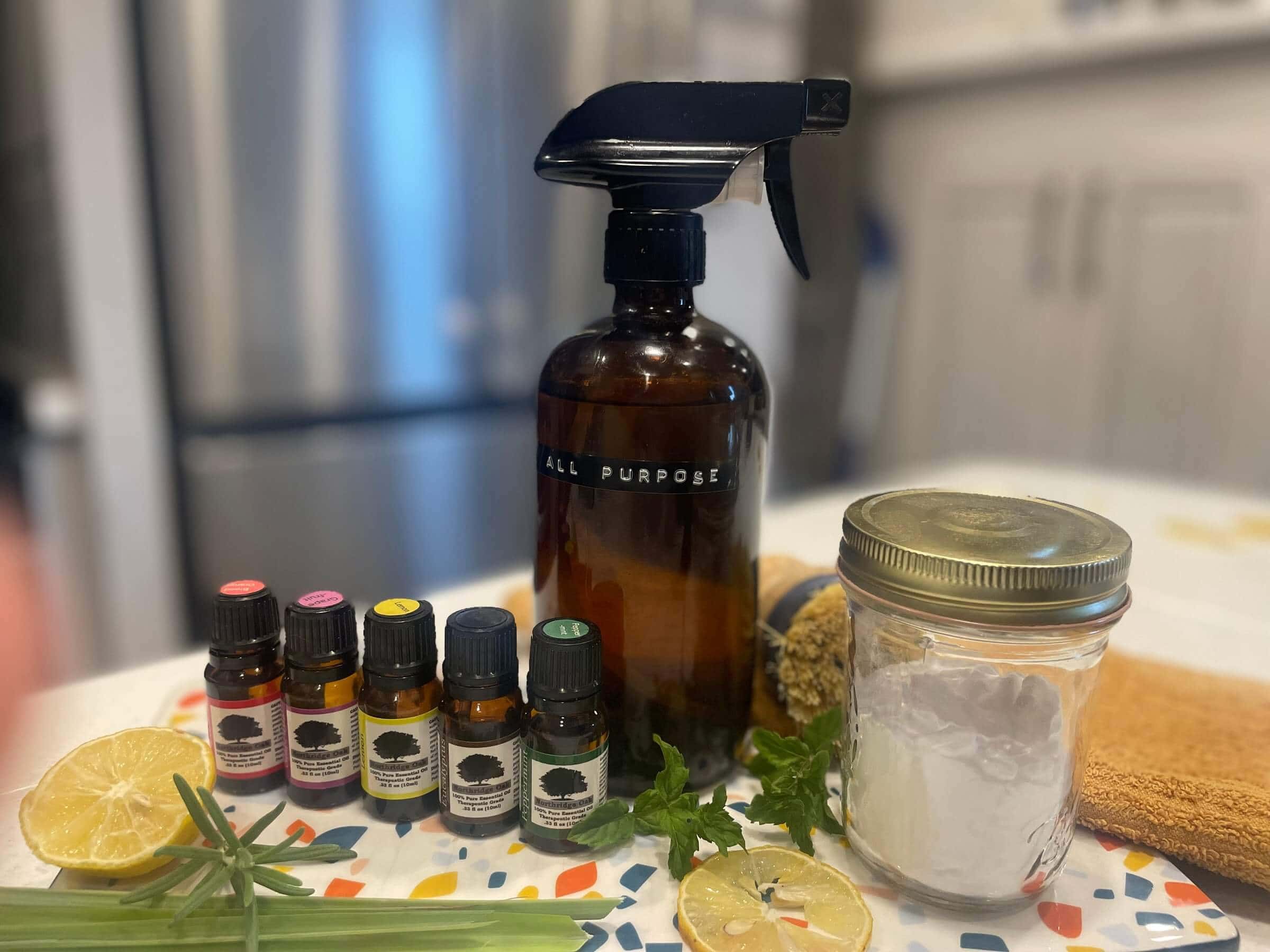
Many cleaning products work just as well without added fragrance. Or, make your own cleaning products using many things you already have around the house.
4. Upgrade Your Personal Care Routine
Choose fragrance-free shampoos, body washes, lotions, and soaps whenever possible.
5. Read Ingredient Labels
If you see fragrance or parfum without further explanation, remember that it may represent a proprietary blend of undisclosed ingredients.
DIY Essential Oil Room Spray Recipes
Making your own room spray is one of the easiest ways to enjoy a naturally fresh-smelling home.
Base Recipe
In an 8 ounce spray bottle, combine:
- ¼ cup witch hazel
- Essential oils
- Fill the remainder with water
Shake well before each use.
Fresh Linen Room Spray
A clean, relaxing scent that's perfect for bedrooms, bathrooms, or freshening linens.
- 20 drops Lavender Essential Oil
- 15 drops Lemon Essential Oil
- 8 drops Frankincense Essential Oil
Scent Profile: Clean • Soft • Fresh • Relaxing
Citrus Sunshine Room Spray
Bright, cheerful, and uplifting—great for kitchens, entryways, and everyday use.
- 20 drops Blood Orange
- 15 drops Lemon
- 8 drops Frankincense
Scent Profile: Bright • Sweet • Refreshing
Breathe Easy Room Spray
- 20 drops Eucalyptus
- 15 drops Peppermint
- 8 drops Lemon
Scent Profile: Cool • Crisp • Clean
Cozy Cabin Room Spray
- 20 drops Patchouli
- 15 drops Frankincense
- 8 drops Clove
Scent Profile: Warm • Earthy • Cozy
Garden Fresh Room Spray
- 20 drops Lemongrass
- 15 drops Lavender
- 8 drops Tea Tree
Scent Profile: Herbal • Fresh • Clean
DIY Natural Essential Oil Perfume Blends
Making your own natural perfume is simple and allows you to avoid unnecessary synthetic fragrances.
Base Recipe
In a 10 ml roller bottle:
- Add 10–15 drops of essential oils.
- Fill the remainder with your favorite carrier oil.
- Apply to your wrists, neck, or behind your ears.
Morning Glow
Bright, happy, and full of sunshine.
- Blood Orange
- Lemon
- Frankincense
Scent Profile: Bright • Citrus • Lightly Resinous
Perfect for daytime and spring or summer.
Lavender Fields
A soft floral with warm undertones.
- Lavender
- Frankincense
- Patchouli
Scent Profile: Floral • Warm • Relaxing
This is a beautiful everyday perfume.
Woodland Mist
Fresh and clean with an earthy finish.
- Eucalyptus
- Lavender
- Frankincense
Scent Profile: Fresh • Herbal • Clean
Great if you enjoy spa-like scents.
Citrus Grove
An uplifting citrus blend with a hint of herbal freshness.
- Blood Orange
- Lemon
- Lemongrass
Scent Profile: Fresh • Citrusy • Energizing
Perfect for warm weather.
Forest Ember
Rich, grounding, and sophisticated.
- Patchouli
- Frankincense
- Clove
Scent Profile: Earthy • Warm • Woody-Spicy
A cozy fragrance that's especially nice in the fall and winter.
Our Philosophy on Cleaner Living
Healthy living isn't about perfection.
It's about making better choices one step at a time.
At Northridge Oak, we encourage families to choose cleaner ingredients whenever possible, educate themselves about what they're bringing into their homes, and enjoy the incredible aromas that nature has already provided through pure essential oils.
Small changes really do add up.
Replacing synthetic fragrance with natural alternatives is one of the easiest ways to begin creating a healthier home environment.
Essential Oil Starter Set
$153.84
Unlock Wellness with Our Essential Oil Set Collection of Therapeutic Essential Oils This curated collection of therapeutic essential oils is designed for beginners. Or, make it the perfect gift to those new to aromatherapy. This comprehensive kit includes a quiet ultrasonic diffuser… read more

Frequently Asked Questions
Is all fragrance bad?
No. The primary concern is undisclosed synthetic fragrance blends. Pure essential oils are naturally derived from plants, although they should always be used safely and according to their directions.
Are essential oils safer?
Essential oils are plant-derived and are not the same as synthetic fragrance oils. They should still be diluted appropriately for topical use and used according to safety guidelines.
Why don't companies list fragrance ingredients?
Because fragrance formulations are often protected as trade secrets, manufacturers are generally allowed to list only "fragrance" instead of every ingredient.
Can synthetic fragrance affect indoor air quality?
Research suggests many fragranced products release VOCs into indoor air, making indoor air quality an important consideration for many households.
What's the easiest first step?
Replace air fresheners and plug-ins with an essential oil diffuser or one of the DIY room sprays. It's a simple, affordable way to enjoy a naturally fresh-smelling home.