Imagine a world where a single drop holds the power to transform your skin, soothe your soul, and ignite your senses. Welcome to the enchanting realm of essential oils. These natural wonders have been revered for centuries, offering a myriad of benefits that go beyond mere fragrance. But amongst the vast array of essential oils, there is one that stands out, captivating all who encounter its invigorating aroma and unrivaled potency. Brace yourself as we journey into the wild heart of nature's pharmacy and unlock the secrets of Tea Tree Essential Oil - an ancient remedy steeped in folklore, backed by science, and whispered as the ultimate elixir for a flourishing mind, body, and spirit. Prepare to be mesmerized, for the wonders of Tea Tree Essential Oil are about to unfold before your very eyes.
What is Tea Tree Essential Oil?
Tea Tree Essential Oil, scientifically known as Melaleuca alternifolia oil, is derived from the leaves of the tea tree plant native to Australia. This mighty oil has been treasured for centuries by indigenous cultures for its remarkable healing properties. Known for its fresh, medicinal aroma, tea tree oil has gained worldwide recognition for its antibacterial, antifungal, and anti-inflammatory properties.
· Origin and Extraction Process
Tea tree oil is sourced from the Melaleuca alternifolia plant, which thrives in the marshy coastal regions of Australia. The indigenous Bundjalung people have long utilized the leaves of this tree for various medicinal purposes. The oil is extracted from the leaves through a thorough steam distillation process, which ensures the preservation of its powerful therapeutic properties.
· Main Constituents and Properties
The dynamic nature of tea tree oil lies in its complex composition of various bioactive compounds. The key constituents responsible for its beneficial properties include terpinen-4-ol, cineole, terpinolene, and alpha-terpineol. These components work synergistically to create a potent oil with an array of health and wellness benefits.
· Antibacterial Properties
One of the most notable properties of tea tree essential oil is its natural antibacterial action. The terpinen-4-ol compound present in tea tree oil has been extensively researched for its ability to combat bacteria, including Staphylococcus aureus and Escherichia coli, commonly known as E. coli. This makes tea tree oil an excellent natural alternative to harsh synthetic antibacterial agents.
· Antifungal Properties
Tea tree oil also possesses powerful antifungal properties, which has made it a popular choice for addressing various fungal infections. It has shown remarkable efficacy against common fungi such as Candida albicans and Trichophyton species, making it a preferred natural solution for conditions like athlete's foot and nail fungus. The antifungal properties can help inhibit the growth and spread of these pesky invaders on our skin and nails.
· Anti-inflammatory Properties
When it comes to soothing inflamed skin, tea tree oil comes to the rescue. The terpinen-4-ol in the oil has been found to possess potent anti-inflammatory effects, making it effective in calming redness, swelling, and discomfort associated with acne, eczema, and other skin irritations.
Tea tree essential oil's versatility and impressive range of constituents make it a powerhouse in the world of natural remedies. Its ability to fight bacteria, combat fungi, and reduce inflammation has made it a favorite ingredient in various skincare, haircare, and oral care products. In the following sections, we will explore the wide range of health and wellness benefits that this incredible oil has to offer.
The History and Folklore of Tea Tree
Tea Tree Essential Oil has a rich history steeped in centuries of tradition and cultural significance. The story of this remarkable oil begins with the indigenous people of Australia, who have long held the tea tree plant in high regard for its healing properties.
Historical Background
The tea tree, scientifically known as Melaleuca alternifolia, is native to the northeastern coastal regions of Australia. The Bundjalung people, who inhabit these areas, have used the leaves of the tea tree for countless generations as a natural remedy for various ailments. They discovered that the leaves could be crushed and infused in water to create a powerful herbal remedy.
The medicinal properties of tea tree oil began to gain wider recognition in the 18th century when Captain James Cook, a British explorer, came across the Bundjalung people using the tea tree leaves to make a healing tea. Captain Cook and his crew began brewing their own tea from the leaves, giving rise to the name "tea tree."
Cultural Significance and Traditional Uses
Tea tree oil holds significant cultural importance for indigenous Australian communities. It is revered for its potent healing properties, not only for physical ailments but also for spiritual and emotional well-being.
Traditionally, tea tree oil has been used topically for its antiseptic and wound-healing properties. It was applied to cuts, burns, and skin infections to promote faster healing and prevent infection. The oil was also used in various ceremonial practices, believed to cleanse and purify the spirit.
In addition to its topical uses, the aromatherapy benefits of tea tree oil have been cherished by indigenous cultures. The uplifting scent of tea tree oil was often diffused to create a calming and revitalizing atmosphere, promoting balance and harmony.
The cultural significance and traditional uses of tea tree oil continue to be celebrated by indigenous communities to this day. The knowledge passed down through generations has inspired the modern utilization of tea tree oil in natural remedies and skincare products worldwide.
As we delve deeper into the many health and wellness benefits of tea tree essential oil, let us embrace the wisdom and cultural heritage behind this extraordinary plant and its revered healing properties.
Health and Wellness Benefits of Tea Tree Essential Oil
Tea Tree Essential Oil has long been hailed for its remarkable health and wellness benefits. Whether in skincare, haircare, or oral care, this versatile oil offers a natural solution to a wide range of common concerns. Let's explore some of the key uses and benefits of tea tree oil in these areas:
Skincare
Tea tree oil is a star ingredient in many skincare products, thanks to its potent antibacterial and anti-inflammatory properties. Its ability to combat acne-causing bacteria and reduce inflammation makes it a powerful ally for acne-prone skin. Applying a diluted solution of tea tree oil topically can help reduce the appearance of blemishes, soothe redness, and promote clearer, healthier-looking skin.
Furthermore, tea tree oil can be effective in addressing various skin conditions such as eczema, psoriasis, and dermatitis due to its healing and calming properties. It can help alleviate itching, redness, and discomfort associated with these conditions, providing much-needed relief.
Haircare
Tea tree oil has gained popularity in the world of haircare, particularly for its effectiveness in treating dandruff and promoting a healthy scalp. Its powerful antifungal properties help combat the overgrowth of the fungus Malassezia, which is often the culprit behind dandruff. Adding a few drops of tea tree oil to your shampoo or a carrier oil and massaging it into your scalp can help reduce itchiness, flakes, and scalp irritation, leaving you with a refreshed, dandruff-free scalp.
Additionally, tea tree oil can help remove build-up from hair products and balance excess oil production, making it an excellent choice for those with oily hair or a greasy scalp.
Oral Care
Tea tree oil also offers benefits for oral health. Its antimicrobial properties can help combat bacteria responsible for plaque, gingivitis, and bad breath. Adding a drop of tea tree oil to your toothpaste or gargling with a diluted solution can assist in maintaining a clean and healthy mouth. However, it's important to note that tea tree oil should never be ingested and should be used only in small amounts and properly diluted for oral care purposes.
Fungal Infections
Tea tree oil's potent antifungal properties make it a valuable tool in combating various fungal infections. It can be used to treat athlete's foot, nail fungus, and ringworm, among others. Applying a diluted solution of tea tree oil directly to the affected area can help inhibit the growth and spread of the fungus, promoting faster healing and relief from symptoms.
As with any essential oil, it's important to dilute tea tree oil properly before applying it to the skin or using it in oral care. Some individuals may also experience sensitivity or allergic reactions, so it's recommended to perform a patch test before using tea tree oil for the first time.
Incorporating tea tree oil into your skincare, haircare, and oral care routines can provide natural, holistic solutions for common concerns. Its antibacterial, anti-inflammatory, and antifungal properties make it a powerful ally in promoting overall health and well-being.
Practical Uses and Application of Tea Tree Essential Oil
Tea Tree Essential Oil is not only beneficial for health and wellness, but it also offers numerous practical uses that can be easily incorporated into your daily routines. From skincare to hair treatments to natural cleaning solutions, the versatility of tea tree oil makes it a valuable addition to your home. Here are some practical tips and DIY recipes to help you make the most of this amazing oil:
Skincare
- Blemish Spot Treatment: Dilute a few drops of tea tree oil with a carrier oil like jojoba or coconut oil, and apply it directly to blemishes. Its antibacterial properties can help reduce inflammation and promote faster healing.
- Facial Toner: Mix a few drops of tea tree oil with water or a witch hazel solution and use it as a toner after cleansing. This can help balance oil production and reduce the appearance of pores.
- DIY Face Mask: Create a purifying face mask by combining a tablespoon of clay (such as bentonite or kaolin) with a few drops of tea tree oil and enough water to form a paste. Apply the mask to your face, let it dry, and rinse off for a refreshed complexion.
Hair Treatments
- Scalp Soothing Treatment: Add a few drops of tea tree oil to your shampoo or a carrier oil like olive or almond oil. Massage it into your scalp to calm itchiness, reduce dandruff, and promote a healthy scalp.
- Deep Conditioning Hair Mask: Mix a few drops of tea tree oil with your favorite hair mask or conditioner. Leave it on for a few minutes before rinsing to nourish your hair and scalp while enjoying the antimicrobial benefits.
Natural Cleaning Solutions
- All-purpose Cleaner: Create an all-purpose cleaning spray by mixing tea tree oil with water and vinegar in a spray bottle. Use it to clean surfaces in your home, such as countertops, sinks, and bathroom fixtures. The antibacterial properties of tea tree oil can help keep your home clean and free from germs.
- Mold and Mildew Remover: Combine tea tree oil with water and spray it on areas affected by mold or mildew. Let it sit for a while before cleaning to help inhibit the growth and spread of these fungi.
It's important to note that tea tree oil should always be properly diluted before using it on the skin or in cleaning solutions. As with any essential oil, it's recommended to perform a patch test and be cautious if you have sensitive skin or respiratory conditions.
Incorporating tea tree oil into your daily routines not only adds natural and effective solutions, but it also brings a pleasant, refreshing scent to your home. Experiment with these practical uses and DIY recipes to experience the benefits of tea tree oil firsthand.
Safety Precautions and Considerations when Using Tea Tree Essential Oil
While Tea Tree Essential Oil offers numerous health and wellness benefits, it's important to use it safely and responsibly. Like any essential oil, tea tree oil can have potential side effects and may cause sensitivities in some individuals. Here are some safety precautions and considerations to keep in mind when using tea tree oil:
Potential Side Effects
- Skin Sensitivity: Tea tree oil, especially when used in its undiluted form, can cause skin irritation and sensitivities in some individuals. It's important to perform a patch test before using tea tree oil topically. Apply a small amount of diluted oil on a small area of skin and wait for 24 hours to see if any adverse reaction occurs.
- Allergic Reactions: Some people may have allergies or sensitivities specifically to tea tree oil. If you experience any signs of an allergic reaction, such as redness, itching, or swelling, discontinue use and consult with a healthcare professional.
Proper Dilution and Usage Tips
- Carrier Oils: Tea tree oil should always be diluted with a carrier oil, such as coconut, almond, or jojoba oil, before applying it to the skin. As a general rule, a 2% dilution is recommended for most topical applications. This means adding about 12 drops of tea tree oil per ounce (30 mL) of carrier oil.
- Sensitivity Testing: Before using tea tree oil on a larger area of your body, it's crucial to perform a sensitivity test. Apply a small amount of the diluted oil to a small patch of skin and observe for any adverse reactions within 24 hours.
- Avoid Eye Contact: Tea tree oil should not come into direct contact with your eyes. If accidental contact occurs, flush the area with clean water.
Special Considerations
- Pregnancy and Nursing: Pregnant or nursing individuals should consult with their healthcare provider before using tea tree oil, as there is limited research on its safety during these periods.
- Children and Pets: Tea tree oil should be used with caution around children and pets. It's advisable to consult with a pediatrician or veterinarian to ensure safe usage.
Following these safety precautions and considerations will help you use tea tree oil effectively and minimize potential risks. Remember that everyone's sensitivity to essential oils can vary, so pay attention to how your body reacts and adjust your usage accordingly. If you have any concerns or experience persistent adverse effects, it's always best to consult with a healthcare professional.
By using tea tree oil responsibly, you can enjoy its many benefits while prioritizing your well-being and safety.
Choosing Quality Tea Tree Essential Oil: A Guide for Consumers
When it comes to purchasing tea tree essential oil, it's important to choose a product that is of high quality to ensure its effectiveness and safety. With so many options available on the market, it can be overwhelming to know which brands or sources to trust. Here are some factors to consider when selecting tea tree oil and a recommendation for a reputable brand:
100% Pure:
Look for tea tree oil that is labeled as 100% pure and organic. This ensures that the oil has been extracted from the Melaleuca alternifolia tree without any harmful additives or chemicals.
Steam Distilled:
Ensure that the tea tree oil has been steam distilled. This extraction method is gentle and helps preserve the natural properties and beneficial compounds found in tea tree oil. Avoid oils that have been extracted using harsh solvents or chemicals, as they may not provide the same quality or effectiveness.
Transparency and Testing:
Look for brands that are transparent about their sourcing and production practices. Reputable companies will provide information about the origin of the tea tree oil, the distillation process, and third-party testing for purity and quality. This level of transparency instills trust in the brand and ensures you are buying a reliable product.
Reputation and Reviews:
Consider the reputation of the brand or source. Look for companies that have a strong track record in the essential oil industry and positive customer reviews. Reputable brands will have a history of producing high-quality oils and prioritizing customer satisfaction.
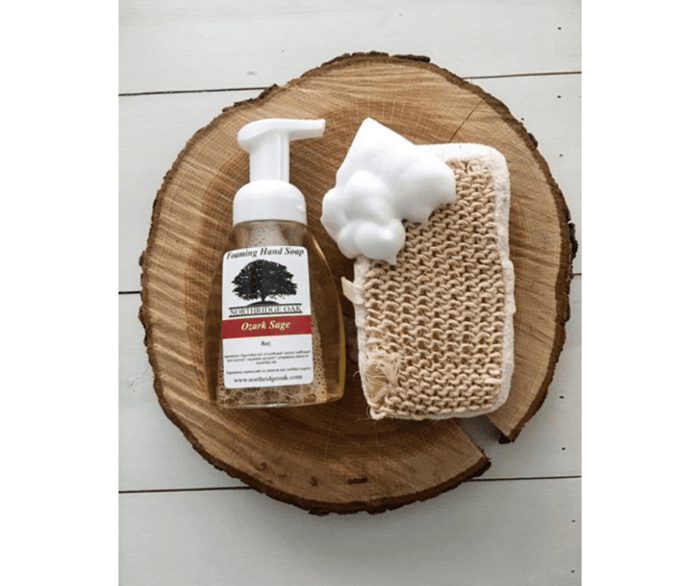
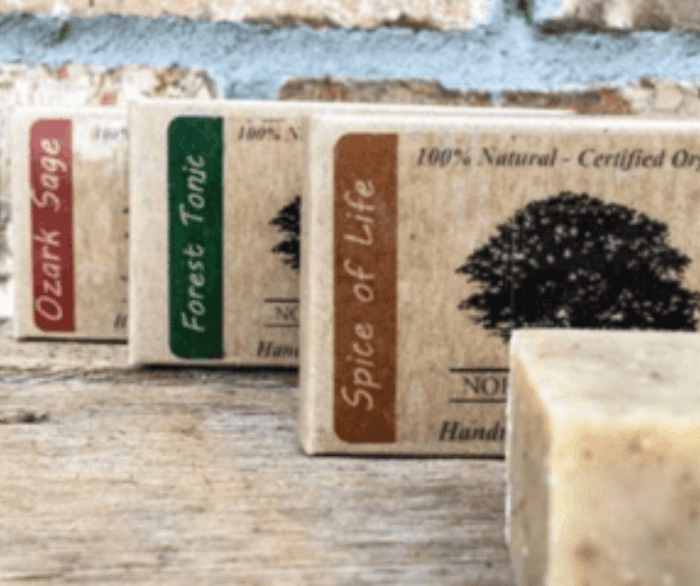
Based on these considerations, one brand that stands out as a reliable source for high-quality tea tree essential oil is Northridge Oak. They are known for their commitment to sourcing organic raw materials and using strict quality control measures throughout their production process. Northridge Oak provides detailed information about their tea tree oil, including its steam distillation process and third-party testing to ensure purity and potency.
Choosing a reputable brand like Northridge Oak ensures that you are buying a quality product that you can trust.
Remember, investing in high-quality tea tree oil sets the foundation for its efficacy and safety when incorporating it into your daily routines and DIY recipes. By choosing a trusted brand like Northridge Oak, you can have confidence in the quality and integrity of the tea tree oil you purchase.
Embracing the Wonders of Tea Tree Essential Oil
Tea tree essential oil has proven itself to be a remarkable natural remedy with a myriad of benefits. Throughout this blog post, we have explored the many ways tea tree oil can enhance our well-being and daily lives. Let's recap the key points and encourage you to experience the wonders of tea tree oil for yourself.
First and foremost, it's important to prioritize safety when using tea tree oil. Consider the potential side effects, dilute the oil properly, and perform sensitivity tests to avoid any adverse reactions. By following these precautions, you can enjoy tea tree oil's benefits with peace of mind.
Tea tree oil offers a range of impressive benefits, including its antibacterial and antifungal properties, making it a valuable addition to your skincare and haircare routines. It can help soothe acne, dandruff, and even athlete's foot. Its ability to reduce inflammation and promote wound healing makes it a go-to for treating minor cuts, burns, and insect bites.
Beyond its skincare applications, tea tree oil also serves as a natural household cleaner, effectively eliminating germs and unpleasant odors. Its refreshing scent can uplift your mood and create a calm and peaceful atmosphere.
We recommend exploring the Northridge Oak brand for high-quality tea tree essential oil. With its commitment to purity, organic sourcing, and transparent production practices, Northridge Oak is a trusted source to rely on.
Now it's time for you to experiment with tea tree essential oil and witness its wonders firsthand. Whether you're looking to enhance your skincare routine, tackle household cleaning, or experience the invigorating aroma, tea tree oil has something to offer everyone.
We invite you to leave comments and share your experiences with tea tree oil. How has it transformed your skincare routine? Have you discovered any unique applications or DIY recipes? We'd love to hear from you and learn about your journey with tea tree essential oil.
In conclusion, tea tree essential oil is truly a versatile and powerful tool that nature has gifted us. By harnessing its remarkable benefits, we can enhance our overall well-being while embracing a more natural and sustainable lifestyle. So go ahead, indulge in the wonders of tea tree oil, and unlock its full potential.
*Disclaimer: This blog post is for informational purposes only and should not be considered medical advice. Please consult with a healthcare professional before incorporating tea tree essential oil into your routine, especially if you have any existing medical conditions or concerns.