Table of Contents
- 🌿 What Is Beeswax Furniture Polish?
- 🐝 Why Use Beeswax for Furniture Care?
- 🏡 Health & Indoor Air Quality Benefits
- 🧰 What You Need to Make Beeswax Furniture Polish
- 1. Classic Beeswax Furniture Polish Recipe
- 2. Beeswax & Essential Oil Furniture Polish
- 3. Firm Beeswax Wood Balm (Great for Antiques)
- 4. Beeswax Cutting Board & Wood Conditioner
- 5. Citrus Beeswax Furniture Polish
- 🧽 How to Use Beeswax Furniture Polish Properly
- 🌱 How Often Should You Use Beeswax Furniture Polish?
- 🌿 Why Homemade Beeswax Furniture Polish Is Better Than Store-Bought
- 🌳 Sustainability Benefits of Beeswax Furniture Polish
- 🌿 Final Thoughts
- FAQs
If you’re searching for beeswax furniture polish recipes, chances are you’re looking for a safer, more natural way to care for your wood furniture—without harsh chemicals, artificial fragrances, or unnecessary toxins.
The good news? Beeswax has been used for centuries to protect, nourish, and preserve wood naturally. When combined with simple, plant-based oils and essential oils, it creates a powerful, non-toxic furniture polish that’s safe for your home, family, and the environment.
In this guide, we’ll explore why beeswax furniture polish works, the benefits for your home and health, and share easy beeswax furniture polish recipes you can make yourself—often for a fraction of the cost of store-bought products.
🌿 What Is Beeswax Furniture Polish?
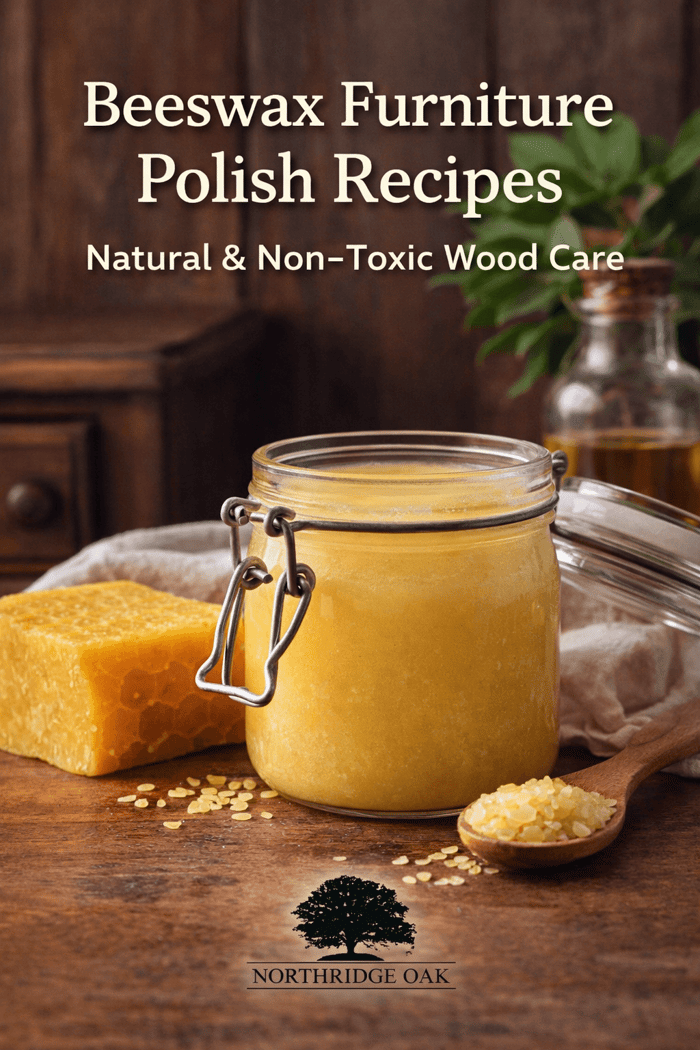
Beeswax furniture polish is a natural wood conditioner made from pure beeswax and a carrier oil (such as olive oil, jojoba oil, or fractionated coconut oil). Unlike commercial furniture sprays that rely on silicones and petroleum-based ingredients, beeswax polish works by sealing and nourishing the wood itself.
Instead of sitting on the surface, beeswax absorbs into the wood grain, helping to:
Protect against moisture
Restore shine
Reduce dryness and cracking
Extend the life of wood furniture
🐝 Why Use Beeswax for Furniture Care?
1. Beeswax Creates a Natural Protective Barrier
Beeswax forms a breathable, water-resistant coating that protects wood from spills, humidity, and everyday wear—without trapping moisture inside the wood.
This makes it ideal for:
Dining tables
Coffee tables
Cabinets
Antique furniture
Cutting boards and wooden décor
2. It Nourishes Wood Instead of Stripping It
Many commercial furniture polishes contain alcohols or solvents that strip wood over time. Beeswax, on the other hand, feeds the wood, helping it retain natural oils and preventing drying and cracking.
3. It’s Completely Non-Toxic
One of the biggest reasons people search for beeswax furniture polish recipes is to avoid toxic ingredients commonly found in store-bought products.
Beeswax is:
Food-safe
Non-toxic
Naturally antimicrobial
Safe to use around children and pets when used properly
4. It Enhances the Natural Beauty of Wood
Beeswax doesn’t leave behind an artificial shine. Instead, it enhances the wood’s natural grain, giving it a soft, warm, satin-like finish that looks clean—not greasy.
5. It’s Cost-Effective and Multi-Purpose
Once you purchase beeswax and a carrier oil, you can use them for:
Furniture polish
Wood cutting board conditioner
Leather care
DIY candles
Lip balms and salves
That makes homemade beeswax furniture polish much cheaper over time than buying multiple specialty products.
🏡 Health & Indoor Air Quality Benefits
Using beeswax furniture polish recipes instead of chemical sprays can improve your indoor environment.
Reduced Chemical Exposure
Many conventional furniture polishes release VOCs (volatile organic compounds) into the air. These can contribute to headaches, allergies, and respiratory irritation.
Beeswax polish contains no synthetic fragrances, no aerosols, and no harsh chemicals.
Cleaner Indoor Air
Beeswax has mild natural air-purifying properties and doesn’t add artificial scents that linger unnaturally in your home.
🧰 What You Need to Make Beeswax Furniture Polish
The beauty of these recipes is their simplicity.
Basic Ingredients:
Pure beeswax (pellets or grated)
Carrier oil (olive oil, jojoba oil, or fractionated coconut oil)
Optional: essential oils for scent and added benefits
🐝 Beeswax Furniture Polish Recipes (Easy & Effective)
1. Classic Beeswax Furniture Polish Recipe
Best for everyday wood care
Ingredients:
1 cup sweet almond oil
¼ cup beeswax pellets
Instructions:
Melt beeswax using a double boiler.
Slowly stir in olive oil until fully combined.
Pour into a glass jar and allow to cool.
Apply with a soft cloth, let absorb, then buff.
2. Beeswax & Essential Oil Furniture Polish
Adds natural fragrance and benefits
Ingredients:
1 cup jojoba oil
¼ cup beeswax
15–20 drops essential oil (lemon, lavender, cedarwood, or orange)
Why it works:
Essential oils add gentle antimicrobial properties and a clean, natural scent.
Northridge Oak - Lavender - 100% Pure Lavender Essential Oil

$11.67
Experience the Benefits of Lavender Essential Oil Lavender 100% Pure Essential Oil Country of Origin: Bulgaria Botanical Name: Lavandula angustifolia Calming Aroma of Lavender Essential Oil for Stress Relief Lavender Essential Oil is renowned for its calming properties, making it an… read more
3. Firm Beeswax Wood Balm (Great for Antiques)
Ingredients:
½ cup beeswax
½ cup fractionated coconut oil
This thicker balm is ideal for older or dry furniture that needs deeper conditioning.
4. Beeswax Cutting Board & Wood Conditioner
Food-safe recipe
Ingredients:
1 cup mineral oil or fractionated coconut oil
¼ cup beeswax
Perfect for kitchen use on cutting boards, butcher blocks, and wooden utensils.
5. Citrus Beeswax Furniture Polish
Bright, fresh scent
Ingredients:
1 cup fractionated coconut oil
¼ cup beeswax
10 drops lemon essential oil
🧽 How to Use Beeswax Furniture Polish Properly
Dust furniture before applying
Use a small amount—less is more
Apply with a soft cloth, following the grain
Let sit for 10–15 minutes
Buff gently for a natural shine
🌱 How Often Should You Use Beeswax Furniture Polish?
High-use furniture: every 1–2 months
Decorative or antique pieces: every 3–6 months
Cutting boards: monthly or as needed
Overuse isn’t necessary—beeswax lasts.
🌿 Why Homemade Beeswax Furniture Polish Is Better Than Store-Bought
✔ No toxic chemicals
✔ No artificial fragrance
✔ Safer for kids & pets
✔ Cheaper long-term
✔ Multi-purpose ingredients
✔ Better for wood longevity
Once you make your own, it’s hard to go back.
🌳 Sustainability Benefits of Beeswax Furniture Polish
Beeswax is a renewable resource that supports:
Sustainable beekeeping
Pollinator health
Eco-friendly home practices
Choosing beeswax helps support a more natural, earth-conscious lifestyle—something deeply aligned with the Northridge Oak philosophy.
🌿 Final Thoughts
If you’re searching for beeswax furniture polish recipes, you’re already on the right path toward a healthier home. Beeswax offers a simple, time-tested solution for caring for wood naturally—without compromising indoor air quality or your family’s well-being.
With just a few ingredients, you can create a polish that protects your furniture, saves money, and supports a cleaner, more natural way of living.
FAQs
What is beeswax furniture polish?
Beeswax furniture polish is a natural wood conditioner made from pure beeswax and a carrier oil. It protects wood, restores moisture, and enhances the natural grain without using harsh chemicals or synthetic fragrances.
Why should I use beeswax furniture polish instead of store-bought products?
Store-bought furniture polishes often contain petroleum-based ingredients, silicones, and artificial fragrances that can build up on wood and affect indoor air quality. Beeswax furniture polish is non-toxic, safer for your home, and nourishes wood instead of stripping it.
Is beeswax furniture polish safe for homes with kids and pets?
Yes. When made with pure beeswax and natural oils, beeswax furniture polish is considered non-toxic and safe for family homes. Always allow the polish to absorb and buff completely before use to avoid residue.
How often should I apply beeswax furniture polish?
For high-use furniture like dining tables or coffee tables, applying beeswax polish every 1–2 months is sufficient. Decorative or antique pieces usually only need polishing every 3–6 months, as beeswax provides long-lasting protection.
Can I add essential oils to beeswax furniture polish recipes?
Yes. Essential oils such as lemon, lavender, cedarwood, and orange are commonly added for a light, natural scent and added benefits. Be sure to use high-quality essential oils like those found at www.northridgeoak.com and add them after the mixture has slightly cooled.
What types of wood can beeswax furniture polish be used on?
Beeswax furniture polish works well on most finished wood surfaces, including tables, cabinets, antiques, cutting boards, and wooden décor. Always test on a small, hidden area first, especially on unfinished or delicate wood.
Will beeswax furniture polish make wood look greasy?
No, when applied correctly. Beeswax polish should be used sparingly and buffed thoroughly. The result is a soft, natural sheen—not a slippery or greasy surface.
Is it cheaper to make beeswax furniture polish at home?
Yes. Making your own beeswax furniture polish is significantly more cost-effective over time. The ingredients can be used for multiple DIY projects, including wood conditioners, candles, salves, and other natural home products.