Table of Contents
- The Real Truth About Weight Loss: Why Small Changes Matter Most
- How Essential Oils Actually Work (In Simple Terms)
- Building Appetite Awareness (Not Suppression)
- Stress: The Silent Saboteur of Weight Loss
- Emotional Eating: Awareness Without Shame
- Supporting Energy and Motivation—Naturally
- Digestive Support: The Gut–Weight Connection
- Sleep: The Most Underrated Weight Loss Tool
- Creating Simple Daily Rituals That Stick
- Safety Matters
- Why Every Little Step Truly Counts
- Final Thoughts: Share the Journey
- FAQs
Hey friend—if you’re here, chances are you’re either on a weight loss journey yourself or you’re searching for natural, realistic ways to feel better in your body. Either way, you’re in the right place.
Let’s start with honesty.
Weight loss can feel frustrating. You begin with motivation and good intentions, but then life happens. Stress piles up. Cravings sneak in. Energy dips. Sleep suffers. And suddenly, the plan that felt doable last week feels overwhelming today.
If that sounds familiar, you’re not alone—and more importantly, you’re not failing.
What if the problem isn’t your willpower, but the lack of supportive tools built into your daily routine?
That’s where essential oils come in.
Not as a miracle cure. Not as a fat-melting shortcut. And definitely not as a replacement for nourishing food or movement.
Instead, think of essential oils as gentle allies—small, intentional tools that help you manage stress, become more mindful around food, support energy and sleep, and stay consistent when motivation fades.
In this blog, we’re going to explore how essential oils can support your weight loss journey in a way that’s friendly, realistic, and empowering. We’ll talk about the science in simple terms, share practical ways to use oils in everyday life, and—most importantly—remind you why every little step truly counts.
By the time you finish reading, my hope is that you’ll feel encouraged, inspired, and excited to try one or two small changes of your own—and maybe even share this with someone you love who could use the reminder that progress doesn’t have to be extreme to be effective.
So take a deep breath, and let’s dive in.
The Real Truth About Weight Loss: Why Small Changes Matter Most
Weight loss isn’t about drastic overhauls or punishing routines. Sustainable results come from small, repeatable habits that compound over time.
Think about it:
Choosing water more often than soda
Taking a short walk after dinner
Going to bed 30 minutes earlier
Pausing before stress eating
Each choice on its own feels insignificant—but together, they create momentum.
Research consistently shows that gradual lifestyle changes are far more effective for long-term weight management than extreme diets or short-term plans. When habits feel doable, they stick.
Essential oils fit perfectly into this philosophy.
They don’t force change—but they support it.
They help you slow down, breathe, become more aware, and respond intentionally instead of reactively. And when it comes to weight loss, that awareness is powerful.
How Essential Oils Actually Work (In Simple Terms)
Essential oils are concentrated plant extracts that support the body primarily through two pathways:
1. Aromatherapy (Inhalation)
When you inhale an essential oil, scent molecules travel through the olfactory system directly to the limbic system—the part of the brain involved in emotions, stress response, motivation, memory, and appetite cues.
This is why a smell can instantly change your mood.
Through aromatherapy, essential oils can help:
Reduce stress and emotional overwhelm
Increase motivation and focus
Support mindful eating awareness
Encourage relaxation and better sleep
2. Topical Application
When diluted with a carrier oil and applied to the skin, essential oils can support circulation, muscle recovery, digestion, and localized comfort.
Together, these pathways help address many of the root challenges that make weight loss feel hard—stress, cravings, low energy, poor sleep, and emotional eating.
Important note: essential oils are not a standalone solution. They work best when paired with healthy habits, not instead of them.
Think of them as a 1–5% advantage that helps you stay consistent.
And consistency is where results live.
Building Appetite Awareness (Not Suppression)
Healthy weight loss isn’t about ignoring hunger—it’s about understanding it.
Many of us eat when we’re stressed, bored, tired, or emotionally overwhelmed. Essential oils can help create a mindful pause, giving you a moment to check in with your body before reaching for food.
Oils That Support Appetite Awareness:
Grapefruit – Grapefruit oil contains compounds like limonene that stimulate the olfactory system and may influence autonomic nerve activity related to appetite and fat metabolism. Its bright, uplifting scent can reduce stress-driven cravings and help curb emotional eating by promoting a feeling of freshness and control.
Peppermint – Peppermint works through both scent and sensation. Aromatically, it stimulates alertness and focus, which can reduce mindless eating. Menthol also creates a cooling effect that may naturally decrease appetite and make snacking less appealing.
Lemon – Lemon oil supports clarity and intention. Its crisp aroma activates areas of the brain associated with focus and motivation, making it easier to stay mindful around food choices and resist impulsive eating.
Simple Practice: Before meals or when cravings hit, inhale one of these oils for 20–30 seconds and ask yourself:
“Am I truly hungry—or do I need rest, water, or a moment to breathe?”
This small pause can make a big difference over time.
Stress: The Silent Saboteur of Weight Loss
Stress plays a massive role in weight management.
When stress is high:
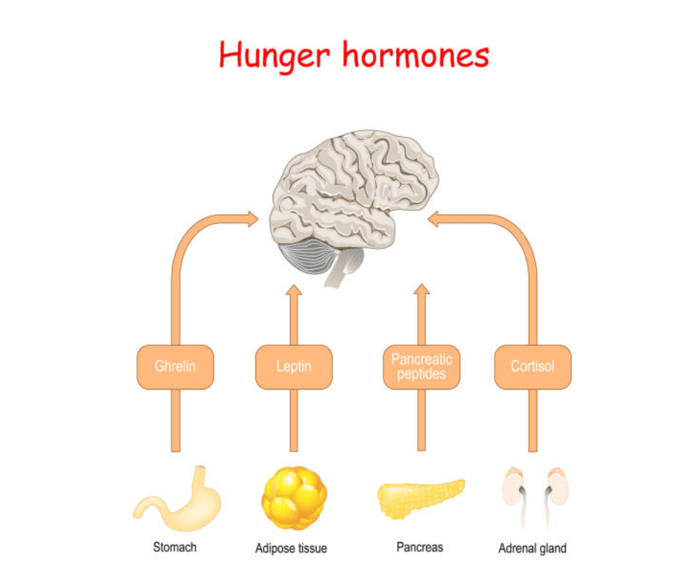
Cortisol increases
Cravings intensify
Fat storage becomes easier
Motivation decreases
Sleep quality suffers
Managing stress isn’t optional—it’s foundational.
Calming Oils for Stress Support:
Lavender – Lavender contains linalool and linalyl acetate, compounds shown to calm the nervous system by reducing sympathetic (fight-or-flight) activity. This helps lower stress hormones that can contribute to fat storage and emotional eating.
Bergamot – Bergamot uniquely balances uplifting and calming effects. It supports emotional regulation by influencing neurotransmitters associated with mood, which can reduce stress-related overeating and emotional snacking.
Frankincense – Frankincense promotes slow, deep breathing and activates the parasympathetic nervous system. This grounding effect helps bring the body out of stress mode, supporting better decision-making and hormonal balance.
Ylang Ylang – Ylang ylang helps ease tension and emotional overwhelm by supporting heart rate regulation and calming anxious thoughts, making it easier to respond intentionally instead of emotionally.
Evening Wind-Down Ritual: Diffuse lavender and bergamot while preparing dinner or winding down for bed. Pair it with slow breathing to signal safety and calm to your nervous system.
Lower stress often leads to fewer cravings—naturally.
Emotional Eating: Awareness Without Shame
Emotional eating isn’t a flaw—it’s a learned coping mechanism.
Essential oils can help interrupt that pattern by providing a sensory alternative and emotional grounding.
Oils That Support Emotional Balance:
Patchouli – Patchouli has grounding properties that help stabilize emotions and reduce feelings of chaos or overwhelm. It’s especially helpful when emotional eating stems from feeling uncentered or disconnected.
Clary Sage – Clary sage supports emotional clarity and balance by interacting with hormones involved in mood regulation. It’s often used to reduce emotional swings that can trigger overeating.
German Chamomile – German chamomile gently calms the nervous system, helping soothe emotional distress without sedation. This makes it ideal for moments when comfort is needed but food isn’t the solution.
Blood Orange – Blood orange boosts feelings of joy and optimism by stimulating the release of serotonin and dopamine. When mood improves, the urge to emotionally eat often decreases.
Try This: When emotions run high, inhale your oil and ask:
“What do I actually need right now?”
Over time, this practice builds emotional resilience and self-trust.
Supporting Energy and Motivation—Naturally
Low energy often leads to skipped workouts and convenience food.
Instead of reaching for stimulants, essential oils can offer a clean, natural lift.
Energizing Oils:
Peppermint – Peppermint increases alertness and oxygen flow, helping fight fatigue and mental fog. This makes it easier to follow through with workouts or movement when motivation is low.
Rosemary – Rosemary supports mental clarity and concentration by increasing blood flow to the brain. It’s especially helpful for decision fatigue and staying mentally engaged with health goals.
Eucalyptus – Eucalyptus encourages deeper breathing and improved oxygen intake, which can naturally boost energy levels and endurance during physical activity.
Use before workouts, during afternoon slumps, or when motivation feels low.
Sometimes, a small spark is all it takes to keep going.
Digestive Support: The Gut–Weight Connection
Digestion impacts energy, mood, and consistency.
Digestive Oils:
Ginger – Ginger supports digestive comfort by promoting healthy gut motility and reducing feelings of nausea or heaviness after meals.
Fennel – Fennel encourages proper digestion and helps reduce bloating by supporting the breakdown of food and easing intestinal discomfort.
Peppermint – Peppermint relaxes digestive muscles and supports healthy bowel function, making it particularly helpful for bloating and post-meal discomfort.
Apply diluted oil to the abdomen or diffuse after meals to support digestive ease.
Sleep: The Most Underrated Weight Loss Tool
Poor sleep disrupts hunger hormones, increases cravings, and lowers willpower.
Sleep-Supportive Oils:
Lavender – Lavender promotes relaxation by calming the nervous system and reducing anxiety, helping the body transition into restful sleep.
Cedarwood – Cedarwood supports the release of calming neurotransmitters and encourages a sense of safety and grounding, ideal for winding down.
Vetiver – Vetiver has a deeply anchoring aroma that slows racing thoughts and supports deeper, more restorative sleep.
German Chamomile – German chamomile gently calms the nervous system, helping soothe emotional distress making it idea for promoting a deep, REM cycle sleep.
Create a nightly ritual with oils to signal your body that it’s time to rest.
Better sleep leads to better choices.
Creating Simple Daily Rituals That Stick
The real power of essential oils comes from consistency.
Sample Daily Flow:
Morning: Lemon + peppermint for intention
Midday: Grapefruit during stress-snack hours
Afternoon: Rosemary for energy
Evening: Lavender for calm and sleep
Start with one habit. Then build.
Safety Matters
Always dilute oils for topical use
Patch test before applying
Choose high-quality, pure oils
Avoid ingestion unless guided by a professional
Respect the oils, and they’ll support you well.
Why Every Little Step Truly Counts
Weight loss isn’t about perfection. It’s about stacking small wins.
Using essential oils won’t replace healthy habits—but they can make those habits easier to maintain. They can help you pause, breathe, choose intentionally, and stay consistent.
That’s the real advantage.
Final Thoughts: Share the Journey
When something helps you feel better, more balanced, and more empowered—it’s worth sharing.
If essential oils have the potential to support your mindset, reduce stress, improve sleep, and help you stay consistent, then they deserve a place in the conversation about sustainable weight loss.
Because when it comes to change, every little step matters—and sometimes, the smallest tools make the biggest difference.
Northridge Oak - Lavender - 100% Pure Lavender Essential Oil

$11.67
Experience the Benefits of Lavender Essential Oil Lavender 100% Pure Essential Oil Country of Origin: Bulgaria Botanical Name: Lavandula angustifolia Calming Aroma of Lavender Essential Oil for Stress Relief Lavender Essential Oil is renowned for its calming properties, making it an… read more
FAQs
Can essential oils actually help me lose weight?
Essential oils don’t cause weight loss on their own, but they can support the habits and systems that make weight loss easier. Oils can help manage stress, improve sleep, support digestion, boost energy, and encourage mindful eating. When these areas are supported, staying consistent with healthy choices becomes much more achievable.
How quickly will I notice results when using essential oils
Most people notice subtle benefits—like feeling calmer, sleeping better, or having fewer cravings—within days or weeks. Physical weight changes take time and depend on overall lifestyle habits. Think of essential oils as a long-term support tool rather than a quick fix. The real results come from consistency.
Do I need to use a lot of different oils for this to work?
Not at all. In fact, starting small is best. Choose 2–3 oils that support your biggest challenges, such as stress eating, low energy, or poor sleep. As those habits improve, you can gradually add more oils if you’d like—but simplicity often leads to better consistency.
Is it safe to use essential oils every day?
Yes, when used responsibly. Always dilute oils for topical use, avoid ingesting unless guided by a qualified professional, and choose high-quality, pure oils. Daily use in diffusers, inhalers, or diluted rollers is generally well tolerated and commonly practiced.
What’s the best way to use essential oils for weight loss support?
There’s no single “right” way. The most effective method is the one you’ll actually use consistently. Many people find success with:
Inhaling oils during cravings or low-energy moments
Diffusing oils during stressful times of day
Applying diluted oils as part of a morning or bedtime ritual
The key is pairing oils with intentional habits.
Can essential oils replace diet and exercise?
No—and they’re not meant to. Essential oils work alongside healthy eating, movement, sleep, and stress management. Think of them as a supportive layer that helps those habits feel easier and more sustainable, especially on hard days.